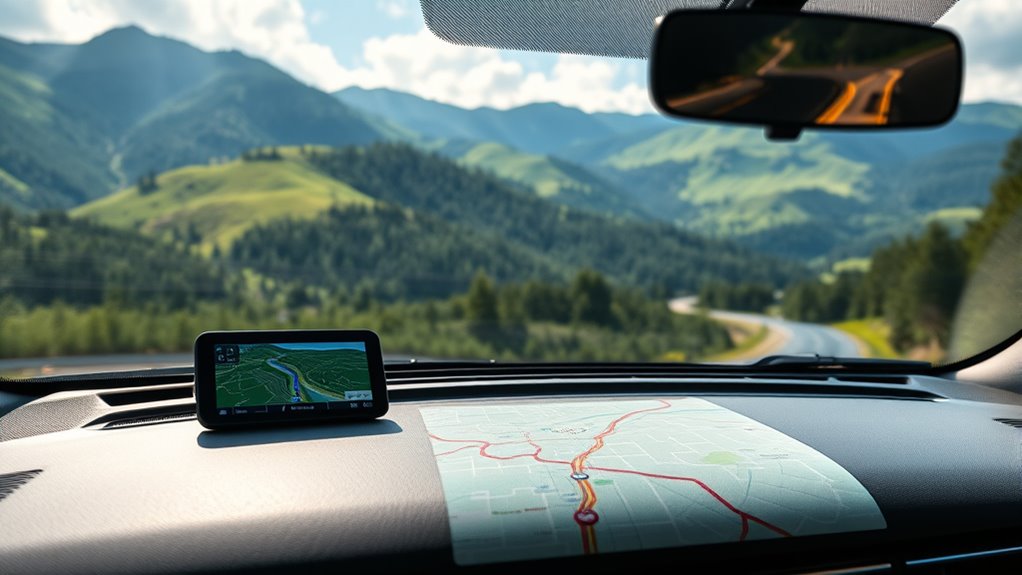

Using advanced algorithms for road trip planning helps you design routes that balance efficiency and sightseeing. These tools analyze real-time and historical traffic patterns, suggest scenic drives, and identify the most fuel-efficient paths. By inputting your preferences, you can save on fuel costs, reduce emissions, and enjoy an optimized journey. Exploring these techniques can transform your trip into a smoother, more economical experience, with plenty of tips for maximizing both savings and adventure.
Key Takeaways
- Advanced algorithms analyze traffic patterns to recommend routes that minimize idling and reduce fuel consumption.
- Route optimization tools consider road conditions, elevation, and speed limits to enhance fuel efficiency.
- Incorporating points of interest and scenic routes can be balanced with efficiency using sophisticated algorithms.
- Historical and real-time data integration helps identify the most fuel-efficient routes before departure.
- Optimized routing can suggest economical speeds and avoid congestion, saving fuel and lowering travel costs.
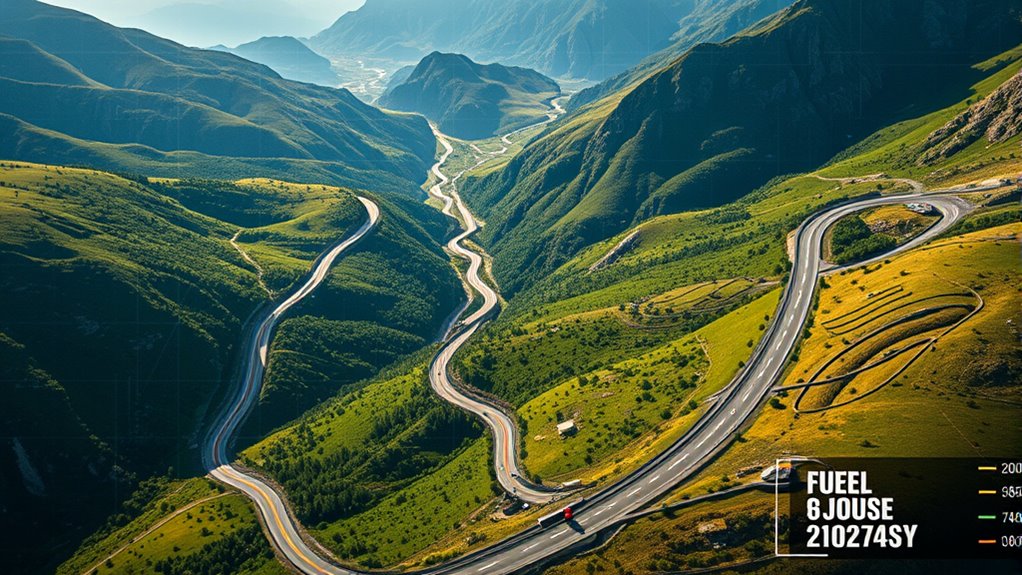
Planning a road trip can be exciting, but figuring out the best route can quickly become overwhelming. You want to avoid traffic congestion, save time, and make the journey enjoyable. Luckily, with the help of algorithms and route optimization tools, you can design a trip that minimizes delays and maximizes scenic experiences. The key is understanding how to leverage technology to plan your route efficiently, balancing fuel efficiency with the desire for picturesque stops along the way.
When you start mapping out your trip, traffic congestion is one of the biggest obstacles. Heavy traffic not only delays your arrival but also increases fuel consumption and stress. Traditional navigation apps can reroute you in real-time, but more advanced algorithms analyze historical traffic data to suggest the most efficient routes even before you hit the road. These algorithms weigh factors like rush hour patterns, road closures, and accident reports to find a path that avoids bottlenecks. This proactive approach ensures you spend less time idling in traffic and more time exploring.
Advanced algorithms analyze traffic patterns to suggest the most efficient routes before you start driving.
Scenic route planning adds an extra layer of enjoyment to your journey. Instead of taking the fastest path, you can use route optimization algorithms that incorporate points of interest, natural landscapes, and charming towns. These tools help you find the perfect balance between efficiency and adventure. For example, you might discover a winding mountain road or a coastal highway that adds breathtaking views without considerably increasing your travel time. By inputting your preferences, these algorithms suggest routes that align with your desire for scenic stops while keeping fuel consumption in check.
To make the most of these tools, you need to input your starting point, destination, and any preferences—like avoiding tolls or prioritizing scenic routes. The algorithm then processes vast amounts of data, including traffic patterns, road conditions, and points of interest, to generate an optimized route. Some apps also factor in fuel efficiency by estimating the most economical speeds and routes that reduce unnecessary acceleration or deceleration. This way, you’re not just saving time but also conserving fuel, which saves money and reduces your carbon footprint. Utilizing advanced route algorithms can further enhance your planning by providing insights into optimal driving speeds and energy-efficient routes.

Garmin Drive™ 53 GPS Navigator, High-Resolution Touchscreen, Simple On-Screen Menus and Easy-to-See Maps, Driver Alerts
Bright, high-resolution 5” glass capacitive touchscreen display lets you easily view your route
As an affiliate, we earn on qualifying purchases.
As an affiliate, we earn on qualifying purchases.
Frequently Asked Questions
How Do Weather Conditions Impact Route Optimization?
Weather impact profoundly influences route planning because it can cause delays, increase fuel consumption, and create safety hazards. You need to take into account rain, snow, fog, or storms that might slow down traffic or make roads impassable. By factoring in weather conditions, you can choose safer, more fuel-efficient routes, avoiding areas prone to adverse weather. Adjusting your plans accordingly helps you stay on schedule and reduces risks during your trip.
Can Algorithms Adapt to Real-Time Traffic Updates?
Yes, algorithms can adapt to real-time traffic updates through dynamic rerouting. They analyze current traffic data and traffic prediction models to suggest alternative routes, helping you avoid congestion. By continuously monitoring traffic conditions, these algorithms optimize your trip on the fly, ensuring you stay on the most efficient path. This real-time adaptability saves fuel, reduces delays, and makes your road trip smoother and more enjoyable.
What Are the Cost Implications of Optimized Routes?
Optimized routes can substantially lower your fuel costs through fuel cost analysis, helping you identify the most efficient paths. By avoiding traffic and unnecessary detours, you save money and reduce fuel consumption. Additionally, these routes can lessen the maintenance impact on your vehicle since smoother drives minimize wear and tear. Overall, investing in route optimization can lead to long-term savings and better vehicle health, making your trips more cost-effective.
How Do Route Choices Affect Vehicle Emissions?
A stitch in time saves nine, and your route choices directly impact vehicle emissions. Opting for more efficient routes reduces unnecessary idling and detours, lowering emissions. Conversely, choosing congested or longer paths increases pollution. By planning ahead with algorithms, you can select routes that minimize emissions, helping the environment and saving you fuel costs. Your decisions on the road truly make a difference in reducing your carbon footprint.
Are There Specific Algorithms Best Suited for Large Trips?
For large trips, you should use algorithms like the Traveling Salesman Problem (TSP) or Vehicle Routing Problem (VRP) to optimize your trip planning. These algorithms help you find the most fuel-efficient routes by minimizing distance and avoiding traffic. By applying them, you can maximize fuel savings and reduce emissions, making your trip more cost-effective and environmentally friendly. They’re especially useful for complex, multi-stop journeys.
fuel-efficient car trip planner app
As an affiliate, we earn on qualifying purchases.
As an affiliate, we earn on qualifying purchases.
Conclusion
Just like Odysseus charted his epic journey, you can now navigate your road trip with precision and purpose. By harnessing algorithms for route optimization, you’ll save fuel, time, and stress—transforming your adventure into a smooth voyage. Remember, every great explorer needed a map; today’s technology is yours. Embrace it, and set off confidently, knowing your route is as clever as a sailor’s star-guided voyage. Your perfect trip awaits—happy travels!

The Most Scenic Drives in America: 120 Spectacular Road Trips – Your Guide to Breathtaking Routes, Hidden Gems, and Iconic Landscapes (Reader's Digest)
As an affiliate, we earn on qualifying purchases.
As an affiliate, we earn on qualifying purchases.
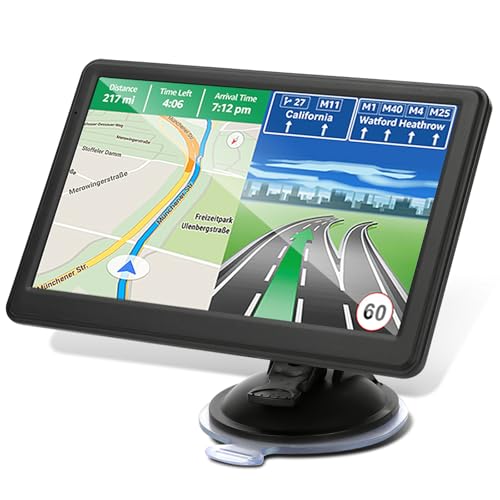
GPS Navigation for car 2026 7-inch GPS Navigation System, Intelligent Real-time Voice Guidance, Supports Custom Route Planning for Cars, SUVs, and Trucks, and Includes Free Lifetime map Updates
【Free Lifetime Map Updates】the Latest 2026North American Maps Are Pre-installed (pre-installed: Us, Canada, Mexico), if You Need Maps…
As an affiliate, we earn on qualifying purchases.
As an affiliate, we earn on qualifying purchases.