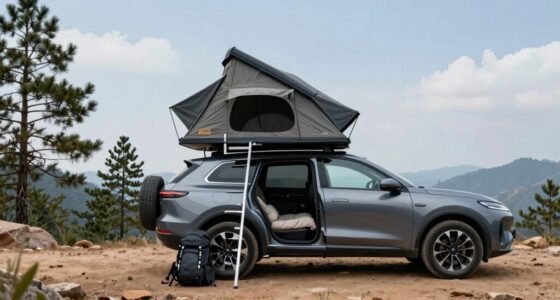

To budget effectively for national park trips, start by researching the fee structures ahead of time, including entrance, parking, and activity costs. Consider purchasing annual passes or discounts for groups, seniors, or veterans to save money. Pack essentials to avoid extra purchases inside the park. Track your expenses carefully and leave a buffer for unexpected costs. With proper planning, you’ll enjoy your adventure responsibly and smoothly—continue to explore ways to make your trip even more budget-friendly.
Key Takeaways
- Research fee structures, passes, and discounts in advance to create an accurate budget.
- Include entrance, parking, and activity costs while adding a buffer for unexpected expenses.
- Book activities and permits early to secure better rates and availability.
- Pack essentials to reduce in-park purchases and control overall spending.
- Stay informed about fee policy changes to adjust your budget accordingly.
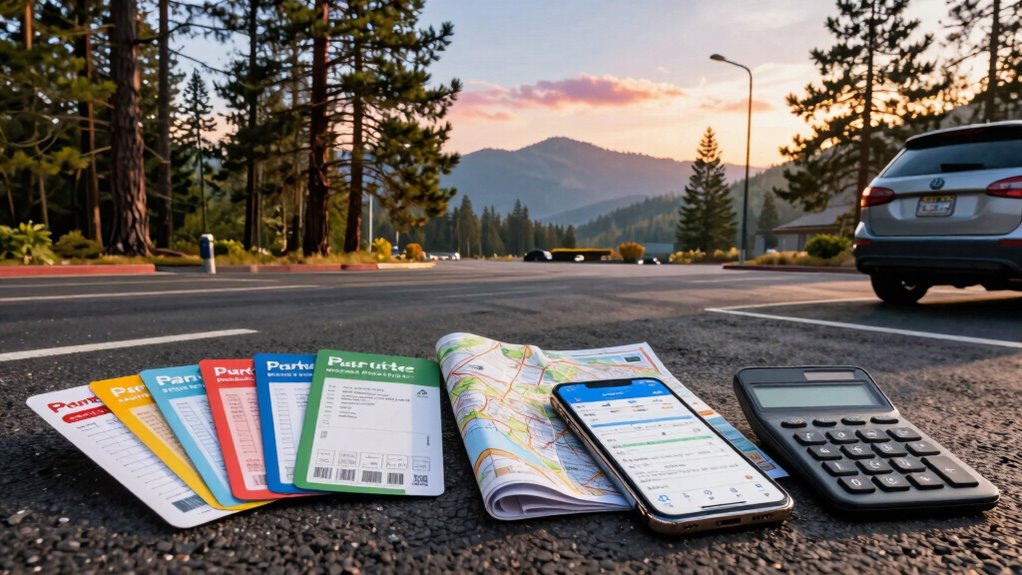
Planning a trip to a national park can be exciting, but it’s vital to budget carefully for fees, parking, and extras to avoid surprises. When you’re organizing your visit, consider the costs associated with entrance fees, vehicle permits, and any additional activities you might want to enjoy. These expenses can add up quickly, so researching the park’s fee structure ahead of time helps you set a realistic budget. Many parks offer annual passes or discounts for seniors, veterans, or groups, which can save you money if you plan multiple visits. Remember, supporting wildlife conservation efforts through entrance fees contributes to protecting the park’s natural habitats and species, ensuring future generations can enjoy these landscapes.
Budget wisely for park fees and permits to ensure a smooth, enjoyable, and responsible outdoor adventure.
Parking fees are another important factor. Some parks charge for parking at popular trailheads or visitor centers, especially during peak seasons. To avoid unexpected costs, check the park’s parking policies and consider arriving early or late in the day when parking might be free or less crowded. If you’re planning to explore several areas within the park, look into multi-day passes or parking permits that cover multiple entries. Keep in mind that parking availability can be limited, and finding a spot might take extra time, so factor that into your schedule. Additionally, understanding the fee structure of the park can help you better plan your expenses and avoid surprises during your visit. Knowing how the entry fee system works across different parks allows you to make more informed budgeting decisions. Being aware of conservation-related fees can also help you see how your spending directly supports environmental protection efforts. Furthermore, staying informed about any changes in fee policies can help you adapt your plans accordingly. It’s also helpful to review any special fee exemptions or programs that might apply to your visit, saving you additional costs.
Extras like guided tours, equipment rentals, or special permits also impact your budget. If you’re interested in guided hikes or wildlife viewing excursions, book these in advance to secure better rates and ensure availability. Engaging with park rangers or wildlife conservation programs can deepen your experience and foster respect for the ecosystem, but some activities may come with additional costs. When venturing out on trails, prioritize trail safety by staying on designated paths, carrying sufficient water, and being aware of your surroundings. Proper preparation not only keeps you safe but also minimizes environmental impact, aiding in wildlife conservation efforts. A good understanding of the park’s rules and regulations can further enhance your experience and ensure compliance with conservation goals. Planning ahead by reviewing these guidelines can help prevent unintentional violations that might result in fines or harm to the environment.
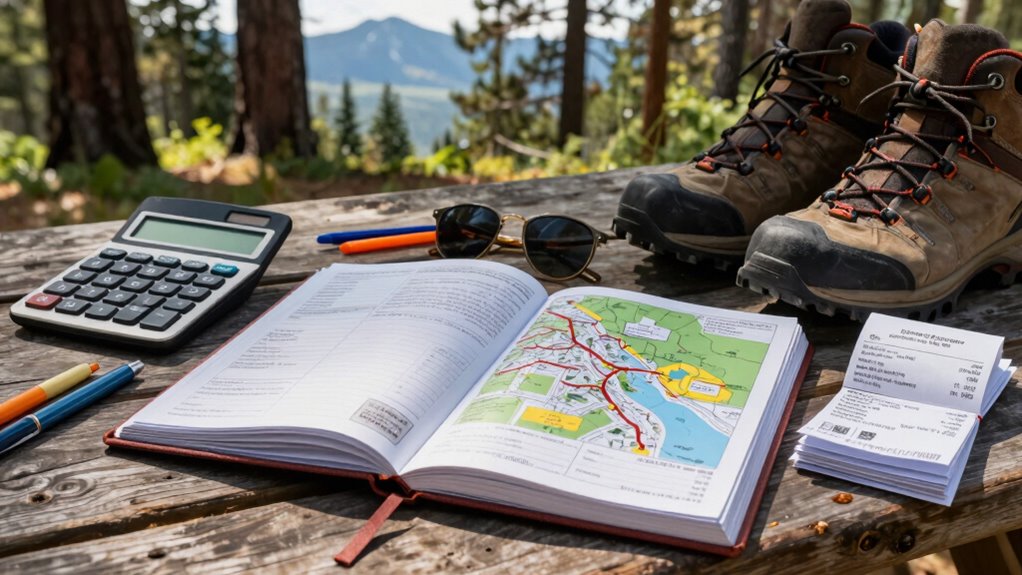
To make your trip more affordable, create a detailed budget that includes all expected expenses and a buffer for unexpected costs. Pack essentials like snacks, water, and proper gear to avoid pricey purchases inside the park. By planning ahead and being mindful of costs, you ensure a smooth, enjoyable adventure that respects both your budget and the park’s natural resources. Remember, a well-budgeted trip allows you to connect with nature responsibly, supporting wildlife conservation and trail safety for everyone to enjoy.
As an affiliate, we earn on qualifying purchases.
Frequently Asked Questions
Are National Park Entrance Fees Refundable?
National park entrance fees are generally non-refundable, but it’s best to check specific refund policies for each park. If you need a fee refund, follow the fee refund procedures outlined by the park or the agency managing it. Typically, you’ll need to contact visitor services or customer support within a certain timeframe after your visit. Knowing these refund policies helps you plan and avoid losing money if plans change unexpectedly.
How Can I Find Discounts for Park Fees?
You can open secret passageways to discounts by exploring various discount programs and group rates. Many parks team up with organizations like the National Parks and Federal Recreational Lands Pass, offering savings to seniors, veterans, and students. Gather your traveling troupe and inquire about group rates—it’s like finding a hidden treasure chest. Keep an eye on official park websites and recreation programs to catch seasonal deals and special offers.
What Should I Include in an Emergency Fund?
You should include funds for financial safety and unexpected expenses in your emergency fund. Cover essential items like medical emergencies, car repairs, and urgent home repairs. Also, consider setting aside money for temporary income loss or unexpected travel costs. Having a well-stocked emergency fund guarantees you’re prepared for surprises, giving you peace of mind and financial resilience during unforeseen circumstances. Aim to save enough to cover three to six months of living expenses.
Are Annual Passes Cost-Effective for Multiple Visits?
Yes, annual passes are a savvy investment if you plan multiple visits, especially during off-peak times when crowds are tame and parking is easier. Imagine paying the price of a single fancy coffee for unlimited park days—peak season or not—saving you from wallet-watching during busy times. If you hit the park multiple times a year, it’s like a magic ticket that keeps giving, regardless of crowds.
How Early Should I Book Parking or Campsites?
You should book camping reservations and parking reservations as early as possible, ideally months in advance, especially during peak seasons. Many parks require campsite reservations weeks or even months ahead, and parking spots fill quickly during busy times. Planning early guarantees you secure your preferred site and parking spot, reducing stress and guaranteeing you’ll enjoy your trip without last-minute worries. So, don’t wait—reserve as soon as your plans are firm.
parking permit for national parks
As an affiliate, we earn on qualifying purchases.
As an affiliate, we earn on qualifying purchases.
Conclusion
By planning ahead and setting aside a little extra for fees, parking, and those unexpected extras, you’ll turn a wild adventure into a smooth, unforgettable journey. Think of your budget as a trusty compass guiding you through the wilderness — no surprises, just pure, awe-inspiring nature. With a little prep, your trip will be as effortless as a gentle breeze, leaving you free to soak in breathtaking views and create memories that’ll last a lifetime.
As an affiliate, we earn on qualifying purchases.
As an affiliate, we earn on qualifying purchases.