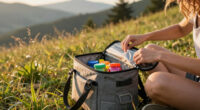
TL;DR
Travel-sized cookware sets range from a lightweight pot and cup for backpacking to larger nesting collections for car camping or van life. Choose by packed weight, usable capacity, material, and stove compatibility; a tidy nesting design helps only if you will use the pieces inside it.
A cookware set can look tiny in the shop and still feel like a brick after three miles on a trail. The right one gives you a hot bowl of noodles, a steady pot of coffee, or a proper dinner without making your pack groan.

Get travel and outdoor gear delivered free with Prime
- Fast, free delivery on millions of items
- Prime Video, Amazon Music and more included
- Member-only deals all year
Travel-sized cookware sets range from a single small pot and cup to several nesting pots, pans, and lids. This guide helps you match the kit to your trip, compare materials, check stove compatibility, and spot features that save space without adding pieces you will never use. A quick example: the set that works beautifully for a couple at a campsite may be too heavy and bulky for a solo backpacker.
You will also find practical checks for cooking and cleanup. Product designs and specifications change, so check current manufacturer instructions before buying, especially for heat limits, coatings, and compatible burners.
Match cookware size to your meals and group, not to the number of pieces in the set.
Choose aluminum for quick heating, stainless steel for sturdy use, or titanium when lower carry weight justifies the higher cost and extra attention.
Check stove compatibility, base stability, and handle locks before your trip.
Test nesting at home and pack only the cups, pans, lids, and utensils you will use.
Follow the manufacturer’s heat and cleaning directions, especially for coated cookware.
Choose a set that matches your trip, not its piece count
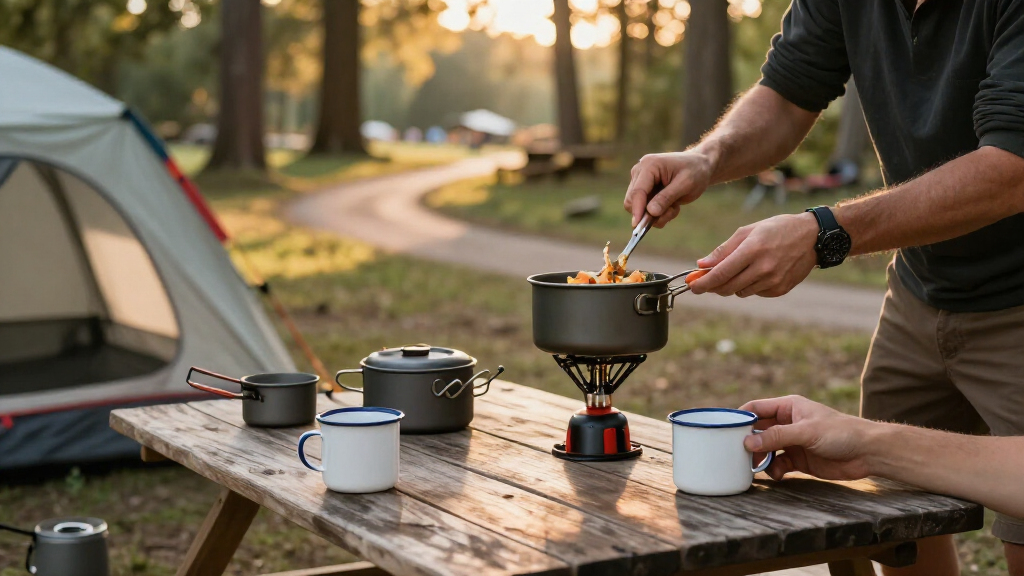
Travel-sized cookware sets suit different trips in different ways: backpackers usually need a light pot and cup, while car campers can carry a larger pan and extra serving pieces. Think about your route, group, and meals before you compare how many items a box contains.
On a solo overnight hike, a small pot for boiling water may cover oatmeal, instant coffee, and a dehydrated dinner. A frying pan adds little if you never cook fresh food. By contrast, two people at a drive-in campsite might want a wider pot for pasta and a pan for eggs, even if the extra weight would be irritating on a trail. The same extra pan can be useful in a vehicle because its weight matters less, but it still takes storage room and needs cleaning. Match each piece to a meal you expect to make, not a meal you might make someday.
Capacity matters more than count. A collection of pots may look generous, but tiny bowls and cups do not replace a pot large enough for dinner. Imagine cooking rice for two in a pot that barely fits one serving: the meal takes longer, spills more easily, and leaves less room to stir. That cramped space also makes it harder to add vegetables or keep food from sticking. Check usable volume rather than relying on the set’s total listed capacity, which may include several small vessels that cannot be used together.
Before buying, write down three meals you expect to make. If they all use boiling water, a minimal kit may work. If one involves frying or simmering a sauce, look for a pan or a larger pot with a lid. Sets are compact only in the useful sense when their pieces fit your routine.
Products Worth Considering

DJI Mini 5 Pro Fly More Combo with DJI RC 2

GoPro HERO8 Black Waterproof Action Camera
Amazon Kindle Paperwhite (12th Generation, 2024), 16GB, 7-Inch Display, Raspberry
As an affiliate, we earn on qualifying purchases.
Compare aluminum, steel, and titanium before you pack
Aluminum heats quickly and often costs less, stainless steel weighs more but tolerates rough handling, and titanium saves weight at a higher price and can create hot spots. Your best material depends on how far you carry the cookware and what you cook in it.
For a weekend car camp, stainless steel may feel like a dependable kitchen pot: sturdy in the wash basin and less precious around utensils. Its weight is easier to accept when you move gear from a car to a picnic table, though it still makes a difference if you hike far from camp. For a backpacker counting every ounce, titanium can be appealing, though a thin pot may scorch porridge if you walk away from a low flame. Hard-anodized aluminum offers a middle path, with a tougher surface than basic aluminum in many products. That balance can make sense if you want moderate weight and easier cooking, but the product’s coating and care instructions still matter.
Here is the plain-language version: light metal is easier to carry, but fast, uneven heating asks for more attention. A titanium pot over a strong burner can burn the bottom of tomato sauce while the top still looks cool. Stir often and use a lower flame. For foods that need steady heat, such as a thick sauce, that extra attention may outweigh the pack-weight savings. If most meals only require boiling water, those hot spots are less of a concern because the pot needs less time over the flame.
Coatings change the care routine. Nonstick surfaces make eggs and cleanup easier, but sharp tools and abrasive scrubbers can damage them. Uncoated metal handles rougher use better. Check the maker’s instructions for heat limits and utensils; ceramic-style finishes are a product feature, not a promise that every model performs the same way. A coating can reduce scrubbing after a sticky meal, but it asks you to pack or choose gentler utensils. The right tradeoff depends on whether easy cleanup or rugged handling matters more on your trip.
Use this checklist to find a set that fits your stove
Check burner compatibility, base stability, and handle security before you pack a set. A pot that fits inside its storage bag still fails if it wobbles on your camp stove or cannot be used on your kitchen cooktop. A poor fit can waste heat, make cooking uneven, or create a spill risk, so these checks affect how safely and comfortably the cookware works.
- Identify your heat source. Check whether you cook over a camp stove, gas burner, electric coil, or induction cooktop. Induction requires compatible cookware; not every travel pot works with it. If you cook on more than one type of stove, verify each one separately rather than assuming a pot that works at camp will work at home.
- Check the base and dimensions. Match the pot’s base to the burner and confirm it sits flat. For a small camp stove, a broad pot can be unstable even when the metal is suitable. A pot that is too wide may also block access to the controls or be slow to heat at the edges; a base that is too narrow can concentrate heat and leave you stirring more often.
- Test the handle design. Folding or removable handles save room, but they should lock securely. Practice opening the handle at home while the pot is empty. A handle that slips under the weight of a filled pot makes pouring harder and can expose your hands to hot food or steam.
- Read heat and care directions. Confirm whether the set is approved for the flame or cooktop you plan to use, and follow any limits. A coated pot may need gentler heat, while a product not designed for open flame may be damaged even if it physically fits over a burner.
Picture a van kitchen where a single burner sits beside a sink: a compact pot with a locked handle and stable base is more useful than a bigger collection that crowds the counter. If the manufacturer does not state whether a set supports your heat source, ask or choose a clearly specified model rather than guessing.
Make nesting pieces earn their place in your bag
Nesting cookware saves packing space when each piece fits securely and serves a real purpose. Folding handles, stackable cups, and a lid that doubles as a plate can turn a loose pile of gear into one tidy bundle. That bundle is easier to fit into a pack or cupboard, but it only saves space if the parts nest without needing a larger container around them.
Still, a neat package can hide wasted capacity. Some sets put several small bowls inside a pot but leave no room for a stove, utensils, or a fuel canister. Before buying, compare the packed dimensions with the space you have, then check what actually nests together. Product shapes vary, so read the current specifications rather than assuming every piece shown fits inside the largest pot. Also consider what you need to remove first: if reaching a cup means unpacking every pot, the arrangement may be compact on paper but awkward at mealtime.
For example, a camper with a small kitchen drawer may appreciate two nesting pots and lids. A hiker might prefer one pot with a cup tucked inside and use a spork they already own. The extra pan in a large set may photograph well but spend the whole trip rattling in a cupboard. Every unused piece adds some bulk and can shift around, so a smaller bundle may be easier to pack and quieter to carry.
Pack by use, not by package. At home, put the pieces together and take them apart a few times. Add the utensil and other small items you plan to store inside. If the lid slips off or the handles snag on your pack, a simple storage bag may help; if the set still feels awkward, another design will be easier to live with.
Cook gently and clean up without damaging the finish
Low, controlled heat helps lightweight cookware cook more evenly and protects many coatings. Keep an eye on the flame, stir thick food, and use the maker’s care directions; a pot built for a camp stove is not automatically suited to direct campfire contact. A controlled flame also uses the pot’s base more evenly, which can reduce scorching and make it easier to cook with less fuel.
Imagine making oatmeal before sunrise. The air is cold, your hands are sleepy, and a strong flame can scorch the thin base before the oats soften. Keep the pot over a modest flame, stir frequently, and take it off the burner while there is still a little liquid left. The residual heat will finish the job. This matters especially with thin, lightweight pots: the same low weight that makes them easy to carry can leave less metal to buffer sudden heat. A heavier pot may be more forgiving, but it costs more to carry.
For cleanup, scrape out food with a soft utensil and wash with water and a gentle sponge when you can. On a coated pot, avoid abrasive scrubbers and metal tools that can scratch the cooking surface. If the coating is visibly damaged, follow the manufacturer’s guidance about continued use or replacement; do not assume every scratched surface carries the same advice. A little care at the campsite can also save water and time, since food that has not baked onto the base is easier to rinse away.
Dry the pieces before storing them. Trapped water can leave a musty smell in a packed bag, while food residue can cling to nested pots. A quick rinse, wipe, and air-dry at camp keeps breakfast from tasting like last night’s stew.
Build a practical kit for one, two, or more people
Start with the meals and servings you need, then choose the smallest usable pot or pan that handles them. For one person, a compact pot may cover hot drinks and simple dinners; two people often need more room to stir and share; a larger group may cook more comfortably in separate vessels. More capacity gives food room to move and reduces spills, but it also adds weight and takes longer to pack or clean. Choose room for the meals you actually plan rather than sizing up just because the set offers it.
For instance, two friends making soup at a campsite need enough room for liquid to bubble without reaching the rim. If they choose a pot that is technically large enough but difficult to stir, it can still be frustrating. A wider pan may help with eggs, but only if breakfast includes fresh food rather than bars and coffee. The menu determines whether that extra cooking surface earns its place; otherwise, it adds another item to wash and store.
Use this quick planning sequence before you choose a set:
- List the meals you expect to cook, not just the people on the trip.
- Mark which meals need boiling, frying, or simmering.
- Choose a pot or pan with room to stir and prevent spills.
- Decide which cups, bowls, lids, and utensils you will genuinely use.
- Compare packed weight and dimensions against your bag, vehicle, or storage shelf.
This approach keeps you from buying by piece count alone. A family car-camping kit may justify several vessels, while a solo traveler can often leave most of a large set at home. The right kit makes dinner easier without making packing feel like a game of kitchen Tetris.
Frequently Asked Questions
What size cookware set do I need for one or two people?
For one person, a small pot and cup may handle hot drinks and simple meals. For two, choose enough capacity to stir and serve without filling the pot to the rim; check the actual usable volume and compare it with the meals you plan to cook.
Is titanium or aluminum better for backpacking cookware?
Titanium is very light and often suits hikers who prioritize low pack weight, but it can develop hot spots and cost more. Aluminum heats quickly and is often less expensive; your choice depends on budget, weight limits, and how carefully you cook.
Can travel cookware go on an induction cooktop?
Only if the cookware is induction compatible. Check the manufacturer’s specifications for the exact set, since travel cookware materials and bases vary. If you use both induction at home and a camp stove on trips, confirm compatibility with each heat source.
Can I use a coated travel pot over a campfire?
Do not assume a coated pot can handle direct campfire heat. Flames and hot spots can exceed a product’s heat limits, so follow the maker’s instructions for open flames and maximum temperature. A camp stove with controlled heat is often easier to manage.
Are nesting cookware sets worth buying?
They can be useful when the pieces fit securely and you will use most of them. Try nesting the pots, lids, cups, and utensils at home, then compare the packed bundle with your available storage. A smaller kit may be more practical if several pieces would stay unused.
How should I clean nonstick travel cookware while camping?
Remove food with a soft utensil, then wash with water and a gentle sponge when available. Avoid abrasive scrubbers and metal tools that can scratch the coating, and follow the product’s care instructions. Dry the pieces before nesting them to reduce trapped moisture and stale smells.
Conclusion
Pick cookware by starting with your real trip: the meals you cook, the people you feed, the heat source you use, and the space you have. Then choose the lightest, simplest set that handles those jobs with a stable base, useful capacity, and care instructions you can follow.
Test the pieces at home before they meet a cold campsite or a cramped van shelf. Your best set is the one that disappears into your packing routine and brings dinner to life with a warm pot, a clean spoon, and the last orange light on the horizon.