The Namibia Skeleton Coast extension transforms your trip into an immersive adventure through rugged landscapes and untouched secrets. You’ll witness shifting dunes, eerie shipwrecks, and desert-adapted wildlife that showcase nature’s resilience. This journey highlights the region’s rich maritime history and ongoing conservation efforts. As you explore, you’ll gain a deeper appreciation for fragile ecosystems and the importance of protecting them for future generations. Keep exploring to discover the full story behind this remarkable wilderness.
Key Takeaways
- The extension offers an immersive experience exploring shipwrecks and rugged landscapes, revealing Namibia’s maritime history and natural resilience.
- It enhances wildlife encounters with desert-adapted species and supports conservation efforts in protected reserves.
- Visitors gain deeper insight into the region’s cultural significance and the stories behind its silent, weathered wrecks.
- The extension highlights environmental challenges like climate change, emphasizing the importance of preserving fragile ecosystems.
- It transforms the trip into a profound journey into wilderness, fostering appreciation for Namibia’s untouched beauty and natural secrets.

If you’re fascinated by rugged landscapes and untouched wilderness, the Namibia Skeleton Coast Extension offers an extraordinary adventure. This remote region is a place where nature’s raw power dominates, and every turn reveals a new wonder. As you traverse the vast desert landscapes, you’ll quickly realize that this area isn’t just about its striking scenery—it’s also a crucial hub for wildlife conservation. Despite its reputation for harsh conditions, the Skeleton Coast is home to a surprising array of wildlife that has adapted to survive in this seemingly inhospitable environment. You might spot desert-adapted elephants, oryx, and perhaps even the elusive black rhino, all thriving in protected reserves. These efforts in wildlife conservation have helped preserve the fragile balance of life here, making your journey not only an adventure but also a contribution to the preservation of these species.
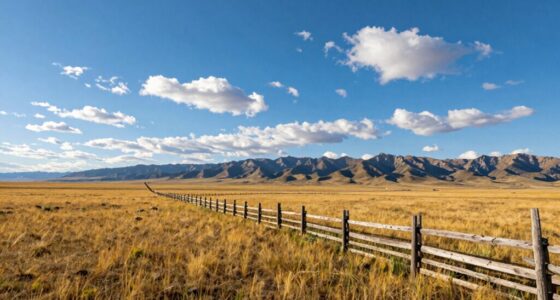
The desert landscapes of the Skeleton Coast are unlike anything you’ve seen before. Endless dunes stretch to the horizon, their golden hues contrasting sharply with the deep blue Atlantic Ocean that crashes against the rugged shoreline. The shifting sands tell stories of centuries gone by, and you can feel the silent history embedded in every grain. Walking along the desolate beaches, you’ll encounter shipwrecks that have become part of the landscape—silent witnesses to the coast’s treacherous history of maritime accidents. These wrecks, weathered by wind and sea, evoke a sense of mystery and resilience. Exploring these areas gives you a tangible connection to the past and highlights the importance of ongoing wildlife conservation efforts to maintain the fragile ecosystems that survive amidst such extreme conditions. Additionally, understanding the biodiversity of this region underscores the importance of preserving its unique habitats for future generations. Recognizing how adapted species thrive here can deepen your appreciation for the resilience required to survive in such extreme environments. Moreover, the region’s conservation initiatives play a key role in protecting these extraordinary ecosystems and the species that depend on them. The presence of climate change further emphasizes the urgency of supporting ongoing conservation programs to safeguard this delicate environment for the future.
This extension of Namibia’s Skeleton Coast truly changes the whole trip because it offers an immersive experience into a world that’s both beautiful and unforgiving. The stark desert landscapes challenge your perceptions of life’s resilience, while the protected wildlife populations remind you of the importance of conservation. It’s a place where nature’s raw, untouched beauty is on full display, and each moment feels like discovering a hidden secret. You’ll find that this region isn’t just a destination but an eye-opening journey into the heart of Namibia’s wilderness. As you leave, you’ll carry with you a deeper appreciation for the delicate balance of desert ecosystems and the ongoing efforts to conserve this extraordinary environment for future generations.
Namibia Skeleton Coast travel guide
As an affiliate, we earn on qualifying purchases.
As an affiliate, we earn on qualifying purchases.
Frequently Asked Questions
What Wildlife Can Be Seen Along the Skeleton Coast Extension?
Along the Skeleton Coast extension, you can spot unique wildlife adapted to harsh desert and coastal ecosystems. Look for desert-adapted elephants that roam the dunes, desert lions, and oryx, thriving in extreme conditions. Seals and seabirds frequent the shoreline, showcasing coastal ecosystem resilience. These animals have evolved remarkable desert adaptations, allowing them to survive in this rugged, remote environment. Your journey offers a rare glimpse into nature’s incredible resilience.
Are There Any Guided Tours Available for the Extension?
Yes, guided tours for the Skeleton Coast extension are available, and they’re truly an adventure of a lifetime. You’ll explore the surreal landscape where desert flora clings to life amidst shifting sands, and marvel at the rugged coastal geology that tells tales of ancient oceans. Expert guides lead you through this hauntingly beautiful terrain, offering insights and safety, making sure you experience the magic and mysteries of this remote wilderness firsthand.
How Safe Is Traveling to the Skeleton Coast During Different Seasons?
Traveling to the Skeleton Coast varies in safety across seasons. During dry winter months, adventure tourism is safer with less fog and rough seas, but you should still stay cautious. In wetter seasons, increased fog and rougher waters can pose risks, so environmental conservation efforts are essential to guarantee sustainable tourism. Always travel with experienced guides, especially during unpredictable weather, to maximize safety and enjoy the breathtaking, untouched landscapes responsibly.
What Is the Best Time of Year to Visit This Extension?
The best time to visit the Skeleton Coast Extension is during Namibia’s cooler months from May to September. You’ll enjoy milder weather, perfect for exploring desert flora and observing unique coastal geology. During this period, the landscape is less harsh, and wildlife sightings are more frequent. Avoid the peak summer heat, which can make trekking uncomfortable. This timing offers best conditions for a safe, immersive experience of the coast’s stunning natural features.
Are There Any Unique Cultural Experiences on This Route?
Imagine stepping into a living tapestry where local traditions and vibrant cultural festivals unfold like a colorful dance. On this route, you’ll experience authentic moments, from tribal ceremonies to lively celebrations that breathe life into Namibia’s rich heritage. These unique cultural experiences allow you to connect deeply with the land and its people, transforming your journey into an immersive adventure rooted in tradition and shared stories.

GPO Passion ED 8x42mm Binoculars, Desert Sand, Tripod Compatible
- ED glass with GPObright coating: Enhanced clarity and brightness
- Durable magnesium micro-bridge: Lightweight and sturdy construction
- Waterproof and fogproof design: All-weather performance
As an affiliate, we earn on qualifying purchases.
As an affiliate, we earn on qualifying purchases.
Conclusion
By the end of this extension, you’ll find yourself gently slipping into the quiet embrace of Namibia’s Skeleton Coast, where the desert’s silent whispers and ocean’s tender caress transform your journey into a delicate dance between land and sea. It’s a subtle reminder that sometimes, the most profound adventures are those that leave a gentle imprint on your soul, inviting you to linger in the soft glow of memories crafted amidst the haunting beauty of this remote wilderness.
As an affiliate, we earn on qualifying purchases.
As an affiliate, we earn on qualifying purchases.