Start your journey along South Korea’s east coast from Gangneung, where stunning beaches, mountains, and vibrant cafes await. Enjoy fresh seafood and scenic viewpoints like Anmok Beach and Seoraksan. As you travel south, experience coastal towns like Sokcho and Yangyang, famous for their maritime heritage. Approaching Busan, the scenery shifts to lively cityscapes mixed with ocean views and bustling markets. If you continue exploring, you’ll uncover even more culinary delights, cultural gems, and scenic spots along this vibrant route.
Key Takeaways
- Explore scenic viewpoints like Anmok Beach and Seoraksan Mountain, offering ocean vistas and mountain scenery along the route.
- Savor regional cuisine, including fresh seafood, grilled mackerel, and seaside café specialties highlighting local flavors.
- Transition from mountain landscapes in Gangneung to sandy beaches and maritime heritage sites near Sokcho and Yangyang.
- Experience vibrant cityscapes and coastal markets as the journey approaches Busan, with lively street food and urban scenery.
- Discover South Korea’s natural beauty and culinary traditions through diverse viewpoints, local dishes, and cultural highlights along the coast.
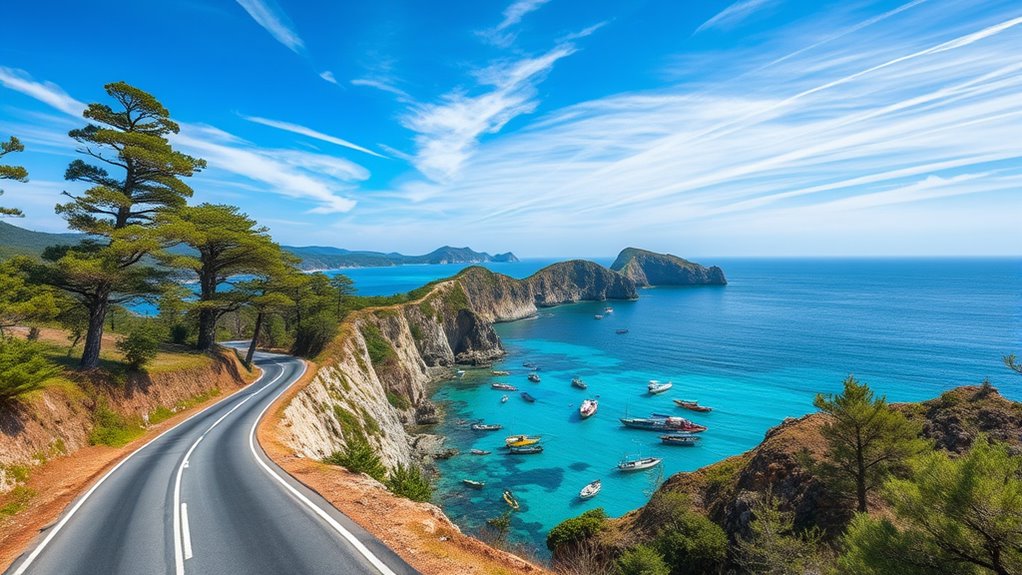
Beginning on a road trip along South Korea’s east coast offers an unforgettable blend of stunning scenery, vibrant culture, and hidden gems. As you start your journey from Gangneung, you’ll quickly realize that this route is a feast for the senses. The coast is dotted with scenic viewpoints that provide breathtaking views of the ocean’s vastness. You’ll want to pause often, soaking in sights like the Anmok Beach area or the Seoraksan Mountain backdrop, which adds a dramatic contrast to the shoreline. These viewpoints aren’t just beautiful—they’re perfect spots for taking photos or simply breathing in the fresh sea air. Along the way, you’ll discover that the local cuisine is as impressive as the scenery. From steaming bowls of fresh seafood to the savory flavors of local specialties, your taste buds will be in for a treat. Don’t miss trying the famous Gangneung-style coffee, renowned for its rich aroma and smooth taste, often enjoyed at cozy cafes overlooking the sea. As you continue south, the landscape shifts from lush mountains to wide, sandy beaches, each offering its own scenic viewpoint. Places like Sokcho and Yangyang serve up fresh catches and hearty meals that highlight the region’s maritime heritage. The local cuisine is deeply rooted in tradition, with dishes like grilled mackerel, spicy seafood stews, and hand-crafted jeon (pancakes), all best enjoyed at seaside eateries where you can watch fishermen bring in their daily catch. These culinary stops often coincide with incredible vistas, making every meal a chance to appreciate the natural beauty surrounding you. As you approach the more urban stretch toward Busan, the scenery becomes a vibrant mix of cityscape and ocean. Here, the scenic viewpoints evolve into bustling coastal parks and bustling markets. You’ll find that the local cuisine also transitions into lively street food scenes—try the famous hotteok, fish cakes, or the spicy tteokbokki from street vendors. Each bite offers a taste of local life and culture. Throughout your journey, the east coast’s scenic viewpoints and local cuisine serve as constant reminders of South Korea’s rich natural and culinary heritage. This trip isn’t just about moving from point A to B; it’s about immersing yourself in the beauty and flavors of the region. From mountain vistas to seaside cafes, your experience will be a lively tapestry of sights, tastes, and moments that stay with you long after you leave the coast behind. Additionally, understanding the significance of contrast ratio in visual displays can enhance your appreciation of the region’s scenic vistas through high-quality images and photography.
Frequently Asked Questions
What Is the Best Time of Year to Travel This Route?
You should travel this route in spring (April to June) or fall (September to November) for the best experience. During these seasons, the seasonal weather is mild and pleasant, making sightseeing enjoyable. Plus, crowd levels are lower than in summer or holiday seasons, giving you more space to explore comfortably. Avoid peak summer months if you want to dodge heat, humidity, and busy tourist spots.
Are There Any Safety Tips for Driving Along the Coast?
When driving along the coast, stay alert for coastal driving hazards like sudden weather changes or slippery roads. Keep emergency preparedness in mind by carrying a basic first aid kit, extra water, and a flashlight. Follow local traffic laws, avoid distractions, and drive at safe speeds, especially on narrow or winding sections. Regularly check your vehicle’s condition, and if you encounter any hazards, pull over safely and stay calm.
How Long Should I Allocate for the Entire Trip?
You should allocate about 5 to 7 days for the entire trip, giving you enough time to enjoy the sights without rushing. Think of your itinerary planning like planting a garden—rushing can lead to missed blooms, just like rushing through stops. On average, traveling at a relaxed pace, including time for spontaneous stops, makes for a memorable journey. So, plan your travel duration wisely to savor each coastal highlight.
What Local Foods Should I Try Along the Coast?
You should definitely try local seafood delicacies like fresh grilled clams, abalone porridge, and raw fish sashimi along the coast. Don’t miss traditional dishes such as Gangneung’s famous ssambap and Busan’s spicy eomuk (fish cake) skewers. These regional flavors give you a true taste of Korea’s coastal cuisine. Be sure to explore local markets and seafood restaurants for the freshest, most authentic experience on your trip.
Are There Recommended Stops for Families or Solo Travelers?
You’ll find family-friendly attractions like Sokcho’s beaches and Jeju’s waterfalls, perfect for kids and relaxing for parents. As a solo traveler, you’ll appreciate safe spots like Gyeongju’s historic sites and Busan’s vibrant markets. Coincidentally, both groups enjoy exploring local temples and scenic coastlines. These stops offer engaging experiences, ensuring everyone’s safety and enjoyment, whether you’re traveling alone or with family.
Conclusion
As your journey along South Korea’s east coast comes to an end, you’ll realize it’s like a tapestry woven with vibrant beaches, bustling cities, and serene mountains. Every stop leaves a mark, a brushstroke on your unforgettable adventure. The ocean’s whisper, the city’s hum, and mountain peaks stand as memories etched into your soul. This road trip isn’t just a route; it’s a living story, waiting to be told again and again.