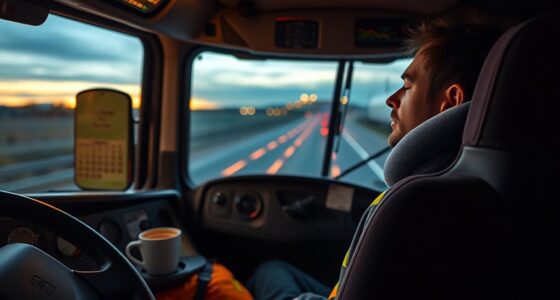

Starting early helps you avoid peak traffic, saving you hours of frustration and reducing stress. By leaving before rush hours, you can find better, cheaper parking and steer clear of gridlock and delays. Early travel also means quieter roads and safer conditions, giving you a smoother trip. Recognizing these advantages helps you plan smarter and reach your destination faster. Want to discover more ways early starts can benefit you? Keep exploring to learn exactly how.

Get travel and outdoor gear delivered free with Prime
- Fast, free delivery on millions of items
- Prime Video, Amazon Music and more included
- Member-only deals all year
Key Takeaways
- Traveling early helps avoid peak traffic, reducing overall commute time significantly.
- Early departures increase chances of securing cheaper and better parking options.
- Starting early minimizes delays caused by congestion, accidents, or unpredictable weather.
- Quieter roads and fewer crowds make travel safer, more comfortable, and less stressful.
- Planning ahead with early travel allows for better route choices and schedule predictability.
Starting early often means you can identify potential issues sooner, which helps prevent costly mistakes down the line. When you hit the road before peak hours, you’re less likely to get stuck in traffic congestion, saving you hours of frustration and wasted time. Popular routes tend to become gridlocked as commuters rush home or to work, but leaving early allows you to bypass the worst of it. Not only do you avoid sitting idle in traffic, but you also reduce the stress that comes with last-minute rushes. This proactive approach can make your entire trip smoother and more predictable, giving you extra time to handle unexpected delays without throwing off your schedule. Additionally, early travel can help you maximize the efficiency of your route, ensuring you reach your destination in a timely manner. Traveling early also means you can secure better parking options, often at lower parking fees. As the day progresses, parking lots fill up, and prices tend to increase, especially near busy destinations. By starting your journey early, you’re more likely to find free or cheaper parking spots, which adds to your savings. This is particularly important if you’re heading to events, shopping centers, or busy workplaces where parking costs can quickly add up. Saving on parking fees not only cuts expenses but also spares you the hassle of circling around looking for a spot, which can eat into your valuable time and energy. Another advantage of an early start is the opportunity to enjoy quieter roads and less crowded public transportation options. During off-peak hours, buses and trains are less crowded, making your commute more comfortable and even faster. You’re less likely to experience delays caused by overcrowding or logistical issues that often occur during busy times. This can significantly reduce your travel time and make your journey more pleasant, allowing you to arrive relaxed and ready for the day ahead. Additionally, an early start means you can often avoid the unpredictability of weather and road conditions that worsen later in the day. Morning hours tend to be clearer, with fewer accidents or incidents slowing traffic down. Weather conditions and road incidents are generally less frequent during these hours, providing a safer and smoother drive. Being aware of traffic patterns can further help you plan your route and avoid unexpected delays. Planning your trip during times of less congestion can also contribute to a more efficient journey. If you’re traveling through areas prone to sudden weather changes, getting ahead of the rush can be a real advantage. Recognizing early morning traffic trends can help you better anticipate delays and make smarter choices about your departure time. Overall, starting early helps you maximize efficiency, cut costs, and reduce the stress of your daily commute. It’s a simple strategy with big payoffs—saving hours and money while making your travel experience more manageable and less hectic.
early morning traffic navigation apps
As an affiliate, we earn on qualifying purchases.
As an affiliate, we earn on qualifying purchases.
Frequently Asked Questions
How Early Should I Start to Maximize Savings?
You should start traveling at least 2 to 3 hours earlier than usual to maximize savings. This extra travel time often allows you to avoid peak hours, reducing the risk of delays and heavy traffic. By doing so, you can take advantage of lower fares and better availability, leading to significant cost savings. An early start also shortens your overall travel time, making your trip more efficient and budget-friendly.
Does Early Departure Affect Travel Comfort?
Sure, an early departure might turn you into a zombie with travel fatigue, but it also means avoiding peak congestion and those frustrating delays. While you might feel groggy, your comfort improves as you dodge traffic jams and crowded terminals. Plus, you get the whole day ahead, instead of wasting hours stuck in congestion. So yes, early starts may be tiring, but they definitely make your journey smoother and more comfortable.
Are There Specific Routes More Beneficial to Start Early?
Starting early benefits routes with heavy traffic or frequent delays, making it a smart choice for better time management and efficient route planning. For example, popular highways, city center routes, or tourist-heavy corridors tend to be less congested in the early morning, saving you hours and reducing fuel costs. By beginning your journey early, you avoid peak congestion, ensuring a smoother, more predictable trip and giving you extra time at your destination.
What Are the Risks of Starting Too Early?
Starting too early might seem like a smart move, but beware of timing pitfalls. You could hit unforeseen delays, like empty roads or closed stations, making your early start pointless. Ironically, you might spend more energy and time waiting around, thinking you’ve gained an advantage. It’s a gamble—too early and you risk unnecessary stress, lost hours, and wasted money, turning your plan into an unintentional adventure in patience.
How Do Weather Conditions Impact Early Start Advantages?
Weather conditions greatly impact your early start advantages, especially because seasonal variations can change road safety and visibility. If you start too early during foggy or icy conditions, you risk accidents and delays. Traffic patterns also shift with weather; during storms or heavy rain, roads may be less congested, but driving becomes more hazardous. Planning your start time around weather forecasts helps maximize your savings and minimize risks on popular routes.
parking finder apps for busy areas
As an affiliate, we earn on qualifying purchases.
As an affiliate, we earn on qualifying purchases.
Conclusion
Starting early isn’t just a good idea—it’s a game-changer. By hitting the road when the sun rises, you’ll dodge traffic jams that can turn hours into nightmares and save a fortune in fuel and tolls. Think of it as revealing a secret superpower that transforms your day into a smooth, stress-free adventure. So set that alarm, get moving, and watch how your day becomes a breeze—like flying through a clear sky with the wind at your back.
As an affiliate, we earn on qualifying purchases.
noise-canceling headphones for travel
As an affiliate, we earn on qualifying purchases.
As an affiliate, we earn on qualifying purchases.
Halloween Picks
halloween
As an affiliate, we earn on qualifying purchases.