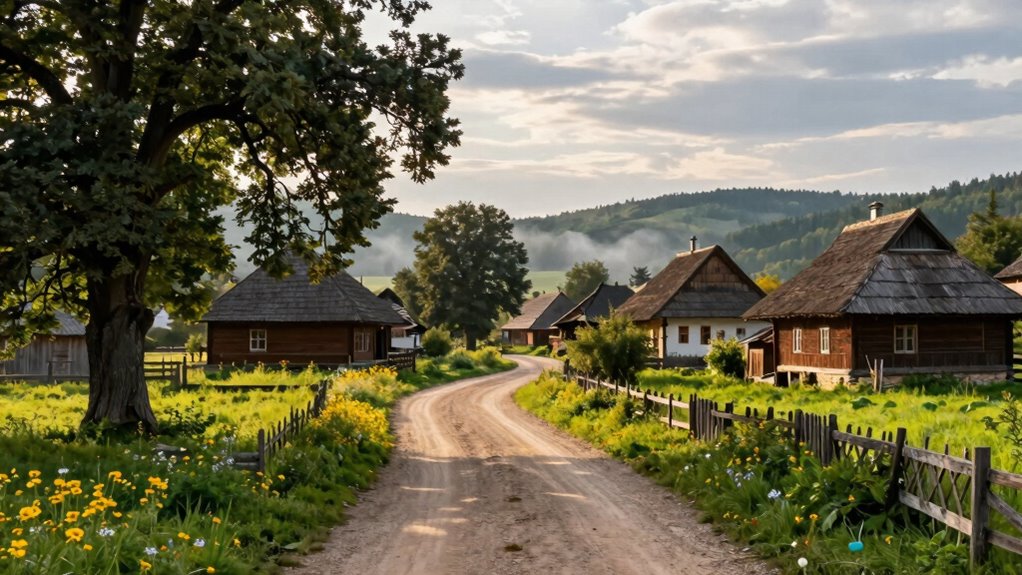

A slow-paced trip through Transylvania’s villages allows you to truly immerse yourself in local traditions, cuisine, and crafts, creating meaningful connections with the community. Instead of rushing from castle to castle, you get to enjoy authentic experiences, discover hidden gems, and support artisans. This approach preserves cultural heritage and offers a richer understanding of the region. Keep exploring to uncover how a village road trip can transform your visit into an unforgettable adventure.
Key Takeaways
- A villages road trip offers authentic cultural immersion, allowing deeper connections with local traditions and community life.
- It enables exploration of hidden gems and lesser-known sites beyond popular castles, enriching the travel experience.
- Slow travel fosters meaningful interactions with artisans, supporting traditional crafts and preserving cultural heritage.
- Tasting regional cuisine provides insights into local history and stories that rushed castle visits often overlook.
- An emphasis on responsible, sustainable travel ensures a more enriching, environmentally conscious experience than hurried sightseeing.
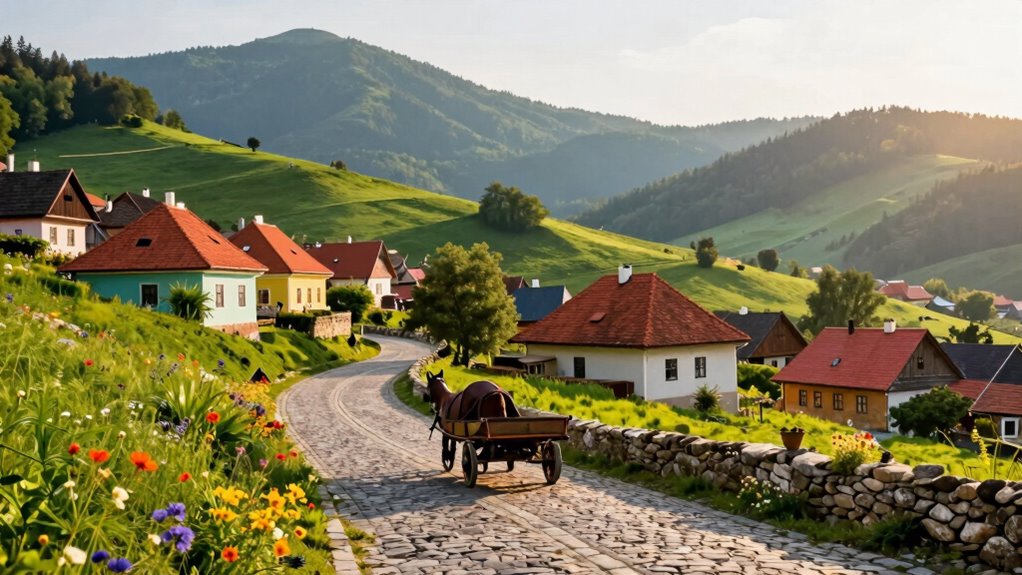
Are you ready to explore the enchanting charm of Transylvania’s villages? If you’re tempted to rush from one famous castle to another, you might miss the real heart of this region. A road trip through the villages offers a richer, more authentic experience. Instead of ticking off towering castles, you get to slow down, soak in local life, and truly connect with the area’s unique culture.
One of the biggest perks of taking your time is the chance to indulge in local cuisine. In small villages, you’ll find family-run eateries and cozy cafes that serve traditional dishes you won’t find in tourist hotspots. Think hearty stews, freshly baked bread, and homemade cheeses that carry centuries of local tradition. These meals are more than just food—they’re stories on a plate, crafted from generations of recipes passed down through families. Sampling authentic local cuisine allows you to understand the region’s history and cultural nuances better than any guided tour of castles ever could.
While exploring, you’ll also have the opportunity to witness traditional crafts firsthand. Many villages still preserve ancient techniques, from hand-woven textiles to woodcarving and pottery. You can watch artisans at work, marveling at their skill and dedication. Sometimes, they even invite visitors to try their hand at crafts, giving you a deeper appreciation for the craftsmanship and cultural heritage that’s been lovingly maintained over the years. These moments create meaningful connections to the local community and offer a sense of timelessness you simply won’t get rushing through a checklist of castles. Additionally, understanding cultural preservation helps visitors appreciate the importance of maintaining these traditions for future generations. Recognizing the significance of local traditions enriches your overall experience and fosters a deeper respect for the community.
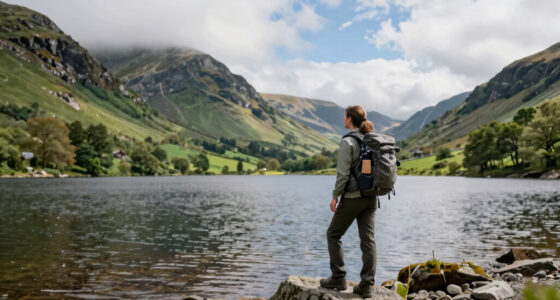
Traveling at a relaxed pace means you can discover hidden gems—small chapels, scenic farms, or peaceful lakes—that aren’t marked on every tourist map. These quiet spots let you breathe in the fresh mountain air and experience the true pace of village life. Instead of being overwhelmed by crowds and hurried schedules, you have the freedom to linger, ask questions, and truly immerse yourself in the surroundings. Exploring traditional craftsmanship and preserving techniques adds depth to your journey, highlighting the region’s enduring cultural identity. Additionally, taking your time allows you to appreciate the authentic atmosphere that is often lost in hurried sightseeing. This slower approach also helps you better understand the importance of sustainable tourism in preserving local cultures and environments. When you prioritize meaningful interactions over speed, your trip becomes a more sustainable and enriching experience for both visitors and local communities.
Transylvania traditional crafts workshop kit
As an affiliate, we earn on qualifying purchases.
As an affiliate, we earn on qualifying purchases.
Frequently Asked Questions
What Local Dishes Should I Try in Transylvania Villages?
You should try local dishes like mămăligă, a traditional cornmeal porridge served with cheese or meat, and sarmale, stuffed cabbage rolls filled with rice and pork. Don’t miss ciorbă de burtă, a hearty tripe soup with a tangy flavor. These dishes showcase Transylvania’s rich culinary traditions and traditional village recipes, giving you an authentic taste of local life. Sampling these foods connects you deeper to the region’s culture.
Are There Guided Tours Available in These Villages?
Yes, guided tours are available in these villages, often highlighting village traditions and local crafts. You’ll get the chance to learn about age-old customs, see artisans at work, and immerse yourself in authentic experiences. Guides typically share stories behind traditional festivals, folk art, and handmade textiles, making your visit richer and more meaningful. Opting for a guided tour guarantees you uncover hidden gems while appreciating the vibrant cultural heritage of Transylvania’s villages.
How Safe Are These Villages for Solo Travelers?
Did you know Transylvania’s villages have one of the lowest crime rates in Romania? They’re generally safe for solo travelers, but it’s smart to stay aware of local safety concerns. Follow solo travel tips like avoiding isolated areas at night and keeping valuables secure. With friendly locals and picturesque scenery, you’ll feel comfortable exploring on your own. Just use your judgment, respect local customs, and enjoy the authentic charm of these hidden gems.
What’s the Best Time of Year to Visit?
You should visit Transylvania during the best travel months, typically late spring through early autumn, from May to September. This period offers pleasant weather for exploring villages and enjoying seasonal festivals like local harvest celebrations and traditional fairs. Traveling during these months guarantees you experience vibrant cultural events and lush scenery, making your trip more memorable. Avoid winter if you prefer milder weather, but winter has its own charm with festive holiday markets.
Do Villagers Speak English or Other Languages?
In these villages, you’ll find locals speak mainly Romanian, but there’s also a rich local language diversity, including Hungarian and German influences. Many villagers, especially younger generations, speak some English, making multilingual communication easier. While not everyone is fluent, you’ll often find helpful locals willing to converse in a mix of languages. This openness enriches your experience, allowing authentic interactions beyond just sightseeing.
authentic Romanian village cuisine cookbook
As an affiliate, we earn on qualifying purchases.
As an affiliate, we earn on qualifying purchases.
Conclusion
As you leave the winding roads behind, remember that the true treasure isn’t just the castles or villages, but the journey itself. Like a lantern guiding your way through darkness, this road trip illuminates the soul—revealing warmth, stories, and authenticity that no hurried checklist can capture. Embrace the winding path, for it’s in these quiet moments that you find the heart of Transylvania, glowing softly like a hidden gem waiting to be uncovered.
As an affiliate, we earn on qualifying purchases.
scenic village travel guide Transylvania
As an affiliate, we earn on qualifying purchases.
As an affiliate, we earn on qualifying purchases.