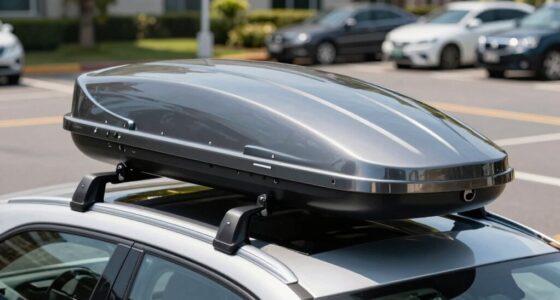
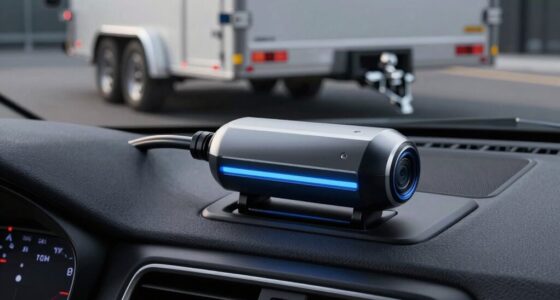
Before hitting the road, you should check your tires for proper inflation, uneven wear, and damage, and guarantee your spare is in good shape. Verify all fluid levels, including oil, coolant, brake, and transmission fluids, topping off or replacing as needed. Inspect your brakes, battery, and lights to confirm everything functions correctly. Don’t forget to review your emergency kit and update navigation tools. For detailed steps to keep your vehicle in top shape, continue with the next tips.
Open a free Amazon Business account
Business pricing, bulk buying and tax-exempt orders.
As an affiliate, we earn on qualifying purchases.
Key Takeaways
- Perform a comprehensive tire inspection, including checking inflation, tread depth, and spare condition.
- Verify all fluid levels—engine oil, coolant, brake, power steering, and transmission fluids—are adequate.
- Test and replace lights, windshield wipers, and brake pads to ensure optimal visibility and safety.
- Check the battery for corrosion and age, and ensure it’s in good condition for reliable starting.
- Prepare an emergency kit, update navigation tools, and plan your route to handle unexpected situations smoothly.
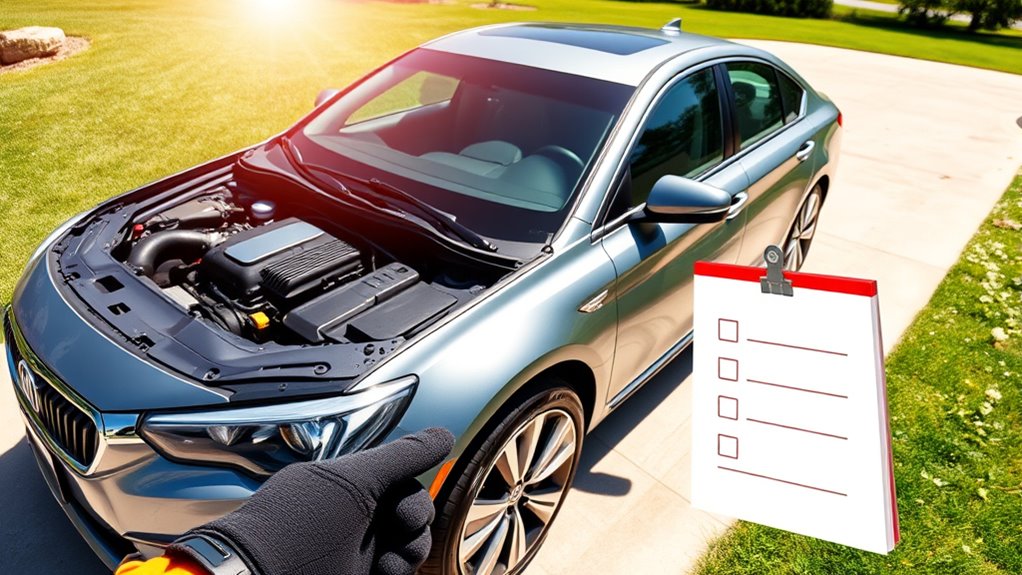
Beginning a long road trip requires careful preparation to guarantee your vehicle runs smoothly and safely. Before hitting the road, take the time to perform essential maintenance checks that will help prevent breakdowns or accidents. One of the first steps is a thorough tire inspection. Check all four tires for proper inflation, ensuring they match the recommended PSI found in your owner’s manual or on the sticker inside the driver’s door. Under-inflated tires can cause poor fuel efficiency and increase the risk of blowouts, while over-inflated tires may reduce traction. Look for any signs of uneven wear, cracks, or embedded objects that could lead to a flat. If your tires are worn or have low tread depth, consider replacing them before your trip. Additionally, don’t forget to check your spare tire’s condition and pressure, so you’re prepared for emergencies.
Along with inspecting your tires, you must verify your vehicle’s fluid levels. Adequate fluids are critical to keeping your engine running smoothly and preventing overheating. Start by checking your engine oil — it should be clean and at the proper level. If it’s dirty or low, top it off or get an oil change if needed. Also, examine the coolant level in your radiator or overflow tank. Coolant prevents your engine from overheating, especially during long drives or in hot weather. Make sure windshield washer fluid is full to keep your visibility clear, and check brake fluid, power steering fluid, and transmission fluid, topping off as necessary. Maintaining ideal fluid levels helps reduce stress on your vehicle and ensures all systems operate efficiently.
Beyond tire and fluid checks, it’s wise to inspect your brakes, battery, and lights. Ensure your brake pads have enough material and aren’t squealing or grinding. Clean or replace your battery if it shows signs of corrosion or is more than a few years old. Test all lights, including headlights, brake lights, turn signals, and hazard lights, to confirm they’re functioning properly, so you’re visible to other drivers. Additionally, review your windshield wipers; if they leave streaks or don’t clear the glass effectively, replace them to maintain visibility during rain or snow. Incorporating vehicle maintenance routines into your pre-trip checks can further enhance safety and reliability.
Finally, double-check your emergency kit, including first aid supplies, a flashlight, jumper cables, and basic tools. Confirm your GPS or navigation apps are updated, and plan your route ahead of time. By thoroughly preparing your vehicle, you reduce the risk of unexpected problems and make your long road trip safer and more enjoyable. Taking these straightforward steps now will pay off during your journey, allowing you to focus on the adventure ahead.
As an affiliate, we earn on qualifying purchases.
Frequently Asked Questions
How Often Should I Check Tire Pressure Before a Long Trip?
You should check your tire pressure at least once a week before your trip, especially a few days prior to guarantee accurate readings. Regularly inspecting tire pressure helps maintain proper tread depth and prevents uneven tire wear. Consider getting a tire rotation every 5,000 to 7,500 miles to promote even tread wear. Consistent checks and maintenance ensure your tires stay in excellent condition, reducing the risk of blowouts and improving fuel efficiency.
What Emergency Supplies Should I Carry in My Car?
Better safe than sorry, so pack an emergency kit with essentials like a first aid kit, flashlight, bottled water, and basic tools. You should also include extra batteries, jumper cables, and a blanket. Having these supplies guarantees you’re prepared for unexpected situations, giving you peace of mind on the road. Remember, being prepared can turn a minor mishap into a manageable setback, so don’t skimp on your safety gear.
How Can I Improve Fuel Efficiency for a Road Trip?
To improve fuel efficiency during your road trip, practice eco-friendly driving by avoiding rapid accelerations and heavy braking. Keep your speed steady and within ideal ranges. Plan your route ahead of time to find the most direct, traffic-free roads, reducing unnecessary idling and detours. Maintain proper tire pressure and remove excess weight from your car. These steps help you save fuel, cut emissions, and make your journey more environmentally friendly.
When Should I Replace My Windshield Wipers?
You should replace your windshield wipers when their lifespan ends or when they no longer clear your windshield effectively. Typically, windshield wiper lifespan is about six to twelve months, but replacement frequency depends on weather and usage. If you notice streaks, squeaking, or missed spots during rain, it’s time for new wipers. Don’t wait until they fail completely; fresh wipers guarantee clear visibility and safer driving on your trip.
Is It Necessary to Disconnect the Battery for Long Storage?
You don’t need to disconnect the battery for long storage, but proper battery maintenance is essential. If your car will sit for weeks, consider disconnecting the negative terminal to prevent battery drain and safeguard the electrical system. Regularly check the battery’s charge and clean the terminals to avoid corrosion. This helps ensure your vehicle’s electrical system stays in good shape, preventing starting issues when you’re ready to hit the road again.
As an affiliate, we earn on qualifying purchases.
Conclusion
By checking your tires, inspecting your fluids, and testing your brakes, you’re ensuring your car is ready for the journey ahead. By organizing your essentials, planning your route, and packing wisely, you’re paving the way for a smooth adventure. Preparing your car is about creating confidence, comfort, and safety for every mile. With these steps in place, you’re not just ready to drive; you’re ready to embrace the open road, making every moment memorable and worry-free.
As an affiliate, we earn on qualifying purchases.
As an affiliate, we earn on qualifying purchases.
NFL season / tailgating Picks
team gear
As an affiliate, we earn on qualifying purchases.