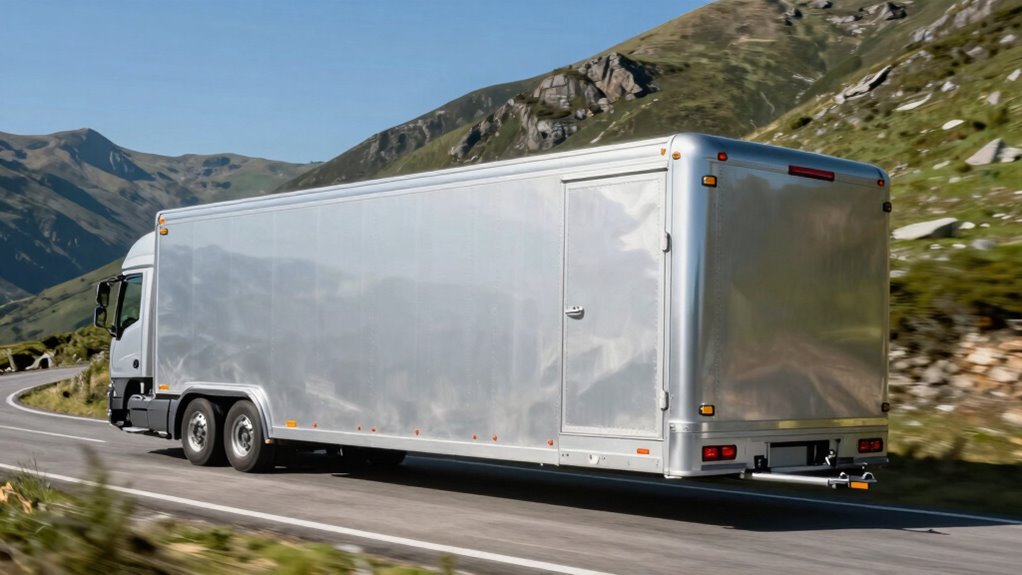

You likely need trailer sway control if your trailer weaves or sways uncontrollably, especially during windy conditions or at higher speeds. If you notice frequent or hard sways, or you have to constantly adjust your steering to keep the trailer aligned, it’s a sign. Unresponsiveness and instability can also signal the need for sway control. Pay attention to how your trailer responds on the road—more details can help you make the safest towing choices.

Get travel and outdoor gear delivered free with Prime
- Fast, free delivery on millions of items
- Prime Video, Amazon Music and more included
- Member-only deals all year
Key Takeaways
- Notice frequent trailer sway during normal driving conditions, especially at higher speeds or in windy weather.
- Experience sudden, hard sways or unresponsive trailer behavior that regular steering adjustments can’t control.
- Observe if you need to constantly correct trailer alignment or feel anxious during towing.
- Detect if your trailer reacts unpredictably, indicating setup or load distribution issues.
- Consider adding sway control if your trailer is heavy, unevenly loaded, or if you often encounter challenging driving conditions.
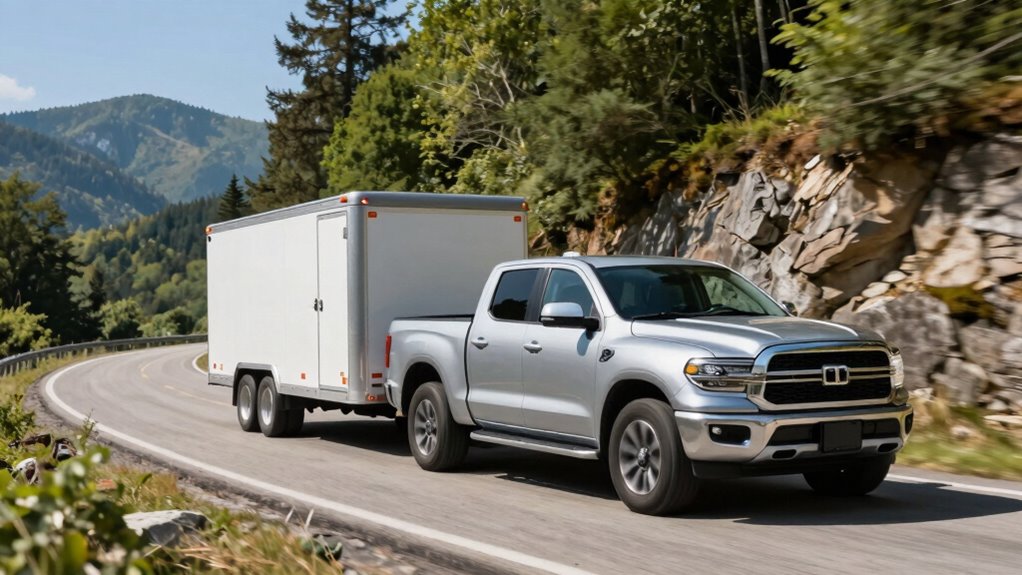
Trailer sway can be unsettling and even dangerous, especially if you’re towing heavy loads frequently. When you’re hauling a trailer, the way it responds on the road directly impacts your safety and comfort. One of the most common issues you might encounter is trailer sway, where the trailer starts to move side to side, making steering unpredictable. To determine whether you really need trailer sway control, you should first assess the trailer weight you typically tow. If your trailer is on the heavier side, it’s more likely to sway, especially if the load isn’t evenly distributed or if the trailer isn’t properly balanced. Heavy trailer weight shifts the center of gravity, increasing the likelihood of instability during sudden stops, sharp turns, or gusts of wind.
Trailer sway is dangerous, especially with heavy loads—proper balance and weight distribution are key for safe towing.
Your driving experience also plays a significant role. If you’re new to towing or haven’t spent much time behind the wheel with a trailer, you might not recognize early signs of sway or know how to correct it. As your experience grows, you’ll notice how certain conditions, like crosswinds or uneven roads, can trigger sway. If you find yourself constantly adjusting the steering to keep the trailer in line, or if you feel anxious during long drives, it’s a good sign that trailer sway control could benefit you. Even seasoned drivers can benefit from sway control if they frequently tow larger loads or drive in challenging conditions.
Beyond your experience and trailer weight, consider how often you encounter sway issues. If you notice that your trailer tends to sway during routine drives, especially in windy weather or at higher speeds, this indicates a need for added stability measures. Sway control devices can help mitigate the side-to-side movement, making your drive safer and less stressful. Conversely, if your trailer remains stable with minimal effort and you rarely experience sway, you might not need advanced controls. Recognizing the importance of proper trailer setup can help prevent sway issues before they start.
Finally, pay attention to how your trailer behaves when you’re driving. If you experience sudden, hard sways or feel that the trailer is unresponsive to your steering corrections, you should seriously consider sway control. These symptoms suggest that your setup isn’t providing enough stability, and installing sway control can improve your overall driving experience. Proper trailer setup and understanding of trailer dynamics are crucial for safe towing. Additionally, understanding how trailer weight distribution affects stability can help prevent sway issues before they start. In the end, understanding your trailer weight, gaining more driving experience, and observing how your trailer responds on the road are key factors in deciding whether trailer sway control is necessary for your safety and peace of mind.
As an affiliate, we earn on qualifying purchases.
Frequently Asked Questions
Can Trailer Sway Control Be Installed on Any Trailer?
Trailer sway control can be installed on many trailer types, but not all. The control installation requirements depend on your trailer’s design and weight, so you’ll need to verify if your trailer meets these specifications. Some trailers, especially lightweight or specialized ones, might not support sway control systems easily. It’s best to consult your trailer manufacturer or a professional installer to ensure compatibility before proceeding.
How Does Trailer Sway Control Affect Fuel Efficiency?
Ever wonder if trailer sway control impacts your fuel efficiency? It can, slightly. By stabilizing your trailer, sway control reduces unnecessary movement, which minimizes aerodynamic drag and helps your vehicle maintain a steady course. This means your engine doesn’t have to work as hard, potentially improving fuel consumption. While the effect isn’t huge, it’s enough to notice better mileage and a smoother ride, especially during long trips.
Is Trailer Sway Control Necessary for Small or Light Trailers?
If you’re towing small or light trailers, trailer sway control isn’t always necessary, but it can still be helpful. Small trailers are less prone to sway, but windy conditions or sudden maneuvers might cause instability. Light trailers, especially at highway speeds, can benefit from sway control for added safety and peace of mind. Consider your driving habits and trailer type to decide if installing sway control offers you extra security.
What Are the Signs of Malfunction in Trailer Sway Control Systems?
Imagine driving smoothly, then suddenly feeling a wobble — that’s a sign your electronic stability system might be malfunctioning. You could notice inconsistent responses, unintended swaying, or the system warning lights flickering. If system calibration is off or electronic stability isn’t engaging properly, these signs appear. Regularly check for warning signals and confirm your trailer sway control system is properly calibrated to keep your journey safe and steady.
Can Trailer Sway Control Be Disabled When Not Needed?
Yes, you can disable trailer sway control when it’s not needed. Many systems offer a manual override, allowing you to turn off the feature for more system flexibility during certain driving conditions. Check your vehicle’s owner’s manual for specific instructions on how to disable or enable the sway control. Just remember, re-enable it when towing again to guarantee safety and stability on the road.
As an affiliate, we earn on qualifying purchases.
Conclusion
If you find yourself constantly battling trailer sway, it’s like trying to steer a boat through choppy waters—you need the right equipment to keep your journey smooth. Trailer sway control acts as your reliable anchor, stabilizing your ride and preventing dangerous fishtails. So, if your towing experience feels more like a wild roller coaster than a peaceful drive, it’s time to think about adding sway control. Keep your adventure steady, and enjoy the ride!
trailer weight distribution hitch
As an affiliate, we earn on qualifying purchases.
As an affiliate, we earn on qualifying purchases.
As an affiliate, we earn on qualifying purchases.
Halloween Picks
halloween
As an affiliate, we earn on qualifying purchases.