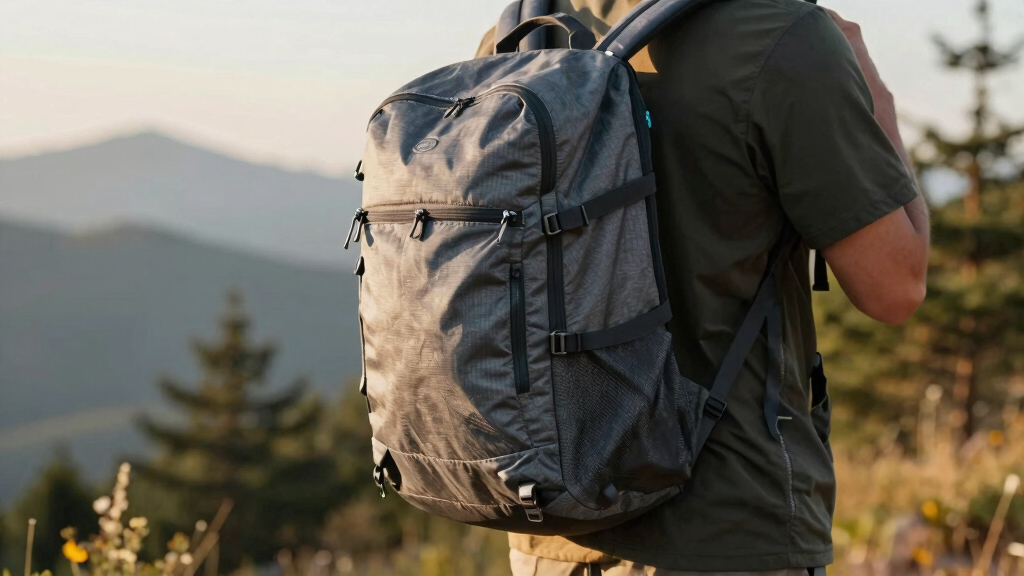

This guide helps you choose the right compact travel backpack that balances size, capacity, and features. It is intended for travelers seeking a lightweight, efficient bag for short trips, weekend getaways, or minimal packing. By following these steps, you’ll identify a backpack that fits your needs and ensures comfortable, hassle-free travel.
Difficulty: Beginner | Time: 15-30 minutes
What You’ll Need
Tools & Materials:
- measuring tape
- notepad or smartphone for notes
Knowledge:
- basic understanding of travel packing needs
- ability to assess comfort and features
Prepare by knowing your typical packing list and travel duration. Measure your torso and ensure the backpack fits your body comfortably. Have a clear idea of the maximum weight you can carry.

tomtoc Travel Backpack 40L, TSA Carry On Bag Flight Approved, PFAS Free
- Large Capacity & Organized Storage: Ample space with multiple compartments
- Quick Access Front Pocket: Easy reach for essentials on the go
- Unzippable Main Compartment: Simplifies packing and unpacking
As an affiliate, we earn on qualifying purchases.
As an affiliate, we earn on qualifying purchases.
Before You Start
Decide on your primary travel type (e.g., weekend trips, carry-on only). Confirm your budget and preferred style (e.g., sleek, sporty, minimalist). Avoid backpacks that are too large or too small for your typical packing needs.

coofay Travel Backpack For Women Men Airline Approved Carry On Backpack Flight Approved Waterproof Sports Luggage Backpack Casual Daypack Small Hiking Backpack
- Large capacity for short trips: Holds 4-6 clothing items and 15.6" laptop
- Separate shoes and wet pocket: Dedicated compartments for shoes and wet items
- Flight approved size: Meets airline carry-on dimensions
As an affiliate, we earn on qualifying purchases.
As an affiliate, we earn on qualifying purchases.
Step-by-Step Instructions
Step 1: Determine Your Capacity Needs
Estimate the volume of gear you usually carry for your trips, typically between 20 to 40 liters. Choose a backpack size that matches this range, leaning towards the smaller end for minimal travel.
Tip: Avoid selecting a backpack larger than 40 liters if you want it to remain compact and lightweight.
Check: The backpack’s capacity matches your estimated packing volume, and it feels manageable to carry.
Step 2: Assess Fit and Comfort
Measure your torso length and try on backpacks that fit your size. Test the fit by adjusting shoulder straps to ensure they are padded and adjustable. Check that the back panel provides proper ventilation and support.
Tip: Test the fit by wearing the backpack with some weight inside to simulate travel conditions.
Check: The backpack sits comfortably on your shoulders, with straps adjusted properly, and does not cause strain.
Step 3: Evaluate Design and Features
Inspect the backpack for multiple compartments for organization, a sturdy handle, and a secure zipper system. Confirm it has weather-resistant exterior if traveling in varied conditions.
Tip: Prioritize features like lockable zippers, lockable compartments, and a hidden pocket for valuables.
Check: The backpack offers organized storage, durability, and ease of access for your essentials.
Step 4: Check Material and Durability
Inspect the fabric for quality and waterproofing. Confirm that seams are reinforced and zippers are smooth and sturdy.
Tip: Read reviews on material durability if shopping online, or test zippers and fabric in-store.
Check: The material feels durable, and all components operate smoothly without signs of wear.
Step 5: Compare Weight and Portability
Weigh the backpack empty to ensure it is lightweight, ideally under 2 kg (4.4 lbs). Confirm it’s easy to carry and fits in your travel space.
Tip: A lighter backpack reduces overall travel fatigue and maximizes packing space.
Check: The backpack is light enough for your comfort and easy to carry for extended periods.

coofay Travel Backpack For Women Men Airline Approved Carry On Backpack Flight Approved Waterproof Sports Luggage Backpack Casual Daypack Small Hiking Backpacks
- Large capacity for clothes and laptop: Holds 4-6 tops, 15.6" laptop
- Separate shoes and wet pocket: Dedicated compartments for shoes and wet items
- Flight approved size and weight: Meets airline carry-on requirements
As an affiliate, we earn on qualifying purchases.
As an affiliate, we earn on qualifying purchases.
Common Mistakes to Avoid
- Choosing a backpack that is too large or bulky. — Stick to a capacity of 20-40 liters to maintain a compact profile.
- Ignoring comfort and fit during selection. — Always try on backpacks with some weight and ensure straps and back support are adequate.
- Overlooking material quality and weather resistance. — Inspect fabric and zippers, and consider waterproof features to prevent damage.
- Not considering organizational features. — Choose a backpack with multiple compartments for efficient packing and quick access.
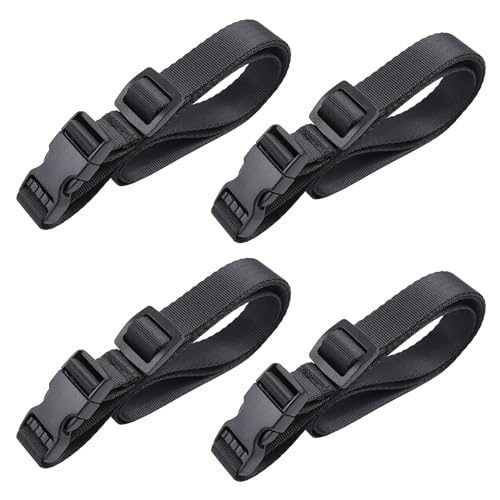
Vigorport Utility Straps Quick Release Nylon Backpack Accessory Bag Strap
- High-Quality Material: Durable, wear-resistant nylon construction
- Adjustable Length: 24-inch adjustable strap for versatile use
- Secure Quick-Release Buckle: Easy to secure and prevent accidental opening
As an affiliate, we earn on qualifying purchases.
As an affiliate, we earn on qualifying purchases.
Troubleshooting
Problem: Backpack feels uncomfortable or causes strain.
Solution: Adjust straps for proper fit, and select a bag with padded shoulder straps and a supportive back panel.
Problem: Zippers or seams break after short use.
Solution: Choose a backpack with high-quality, reinforced zippers and sturdy seams, and avoid very low-cost options.
Problem: The backpack does not fit your packing needs.
Solution: Reassess your estimated volume and select a slightly larger or smaller size accordingly.
What Success Looks Like
The chosen backpack fits comfortably, has the right capacity, features organized compartments, and feels durable. It should sit well on your back without causing discomfort and accommodate your typical travel gear.
Next Steps
After selecting your backpack, pack it with your essentials to test comfort and capacity. Adjust straps as needed before your trip. Periodically inspect the bag for signs of wear, and clean it according to manufacturer instructions to maintain durability.
Frequently Asked Questions
How do I know if a backpack is truly compact?
Check the capacity in liters (20-40L is typical for compact travel). It should fit comfortably in overhead compartments or under airplane seats, and not feel bulky when worn.
Can I carry a compact backpack for longer trips?
While suitable for short trips or minimal packing, for longer journeys consider a slightly larger bag or one with expandable features.
What features make a backpack suitable for different weather conditions?
Look for waterproof or water-resistant materials, sealed zippers, and protective rain covers to keep your gear dry in various weather.
Is it better to choose a backpack with wheels or without?
For compact travel, a wheeled backpack can add convenience, but often a lightweight, wheel-less pack offers better mobility in crowded or uneven areas.