
If you head into remote areas with little or no cell coverage, carrying a satellite messenger is a smart move to stay connected and guarantee safety. It’s especially helpful when exploring wilderness, wildlife, or mountain regions, where emergencies can happen. These devices let you send messages, share your location, and summon help if needed. Want to learn how to choose the right one, and optimize its features? Keep exploring to find out more.

Get travel and outdoor gear delivered free with Prime
- Fast, free delivery on millions of items
- Prime Video, Amazon Music and more included
- Member-only deals all year
Key Takeaways
- Carry a satellite messenger when venturing into remote areas with no cell service for reliable emergency communication.
- Use one during outdoor activities like hiking, camping, or wildlife tracking to ensure location sharing and safety alerts.
- Ideal for situations where quick rescue access is critical, such as during storms, injuries, or getting lost.
- Choose a device based on coverage, durability, and emergency features to maximize safety in challenging environments.
- Carry a satellite messenger to maintain connectivity and peace of mind during unpredictable or high-risk outdoor adventures.
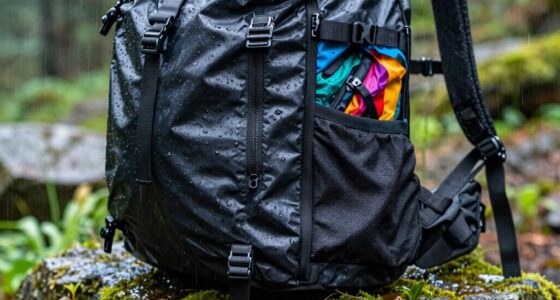
satellite messenger device for hiking
As an affiliate, we earn on qualifying purchases.
As an affiliate, we earn on qualifying purchases.
What Is a Satellite Messenger and How Does It Work?
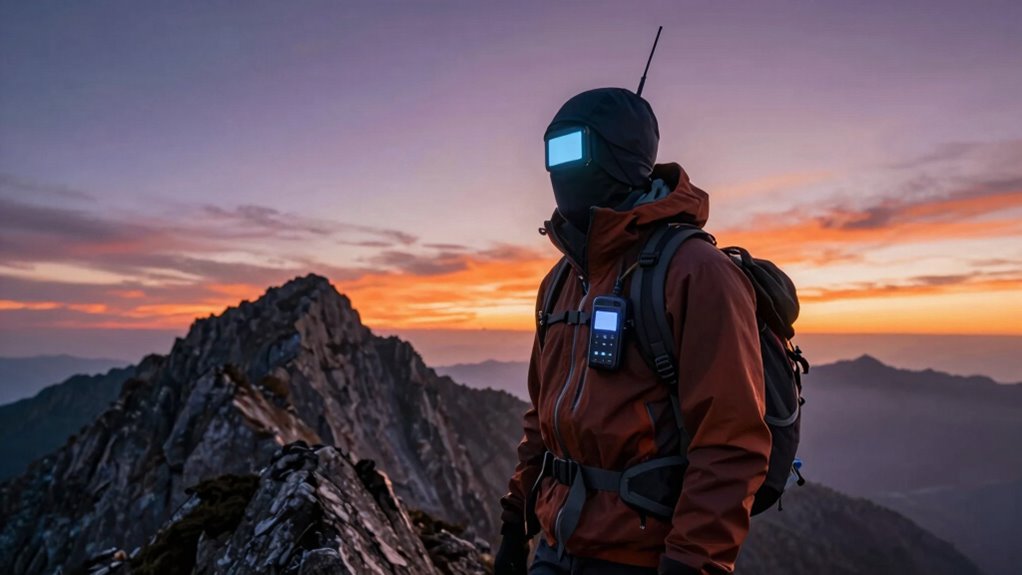
A satellite messenger is a compact device that lets you stay connected even when you’re outside cellular coverage. It relies on satellite technology to send and receive messages, ensuring you can communicate in remote areas. These devices work by connecting to a network of satellites orbiting the Earth, bypassing traditional cell towers. When you press a button to send a message or request help, the device transmits your signal directly to the satellite, which then relays it to your chosen contact or emergency service. Device compatibility is essential; some satellite messengers work with specific satellite networks or require certain features. Understanding how satellite technology functions helps you choose a device that fits your adventure needs, providing reliable communication wherever you go. Additionally, contrast ratio plays a role in how clearly your messages are displayed on the device’s screen, especially in varying light conditions. Knowing the satellite network coverage is crucial to ensure consistent connectivity in the areas you plan to explore, and being aware of satellite communication limitations can help manage expectations in extremely remote locations.
emergency satellite communicator for wilderness
As an affiliate, we earn on qualifying purchases.
As an affiliate, we earn on qualifying purchases.
Signs You Need a Satellite Messenger for Your Adventures
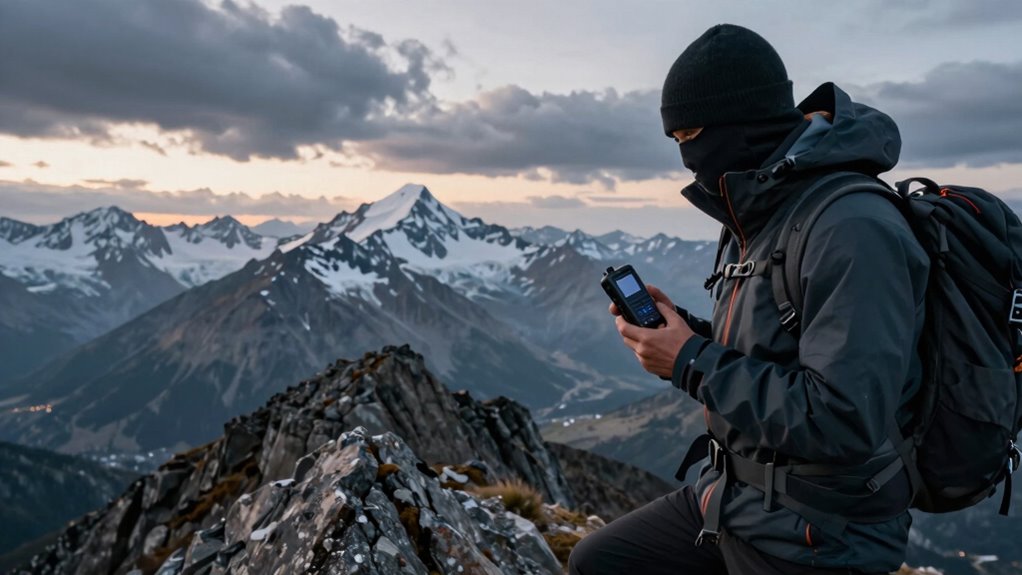
If you often venture into remote areas where cell service is unreliable or nonexistent, it’s a clear sign you need a satellite messenger. When wildlife tracking becomes part of your adventures, staying connected is crucial for safety and coordination. Satellite technology allows you to send emergency signals, share your location, and keep loved ones updated. Additionally, understanding dream symbolism related to clocks and time can help you interpret your experiences and insights during your journeys. A satellite messenger can also be a valuable tool for self-sufficiency, ensuring you have reliable communication regardless of local infrastructure. Recognizing the importance of connectivity in remote environments can make all the difference in critical situations. You might realize it’s time for a satellite messenger when:
- You’re exploring wilderness areas with no cell coverage, risking isolation.
- You’re involved in wildlife tracking, requiring precise location sharing.
- You want peace of mind knowing you can summon help or notify others in emergencies.
- You understand how communication technology can be a lifesaver in unpredictable outdoor scenarios.
- You appreciate the reliability of satellite networks as a dependable option when terrestrial signals fail.
Carrying a satellite messenger ensures you’re never truly alone, providing vital connectivity when it’s most needed, especially in unpredictable outdoor environments.
best satellite messenger for remote areas
As an affiliate, we earn on qualifying purchases.
As an affiliate, we earn on qualifying purchases.
How to Choose the Best Satellite Messenger for Your Needs
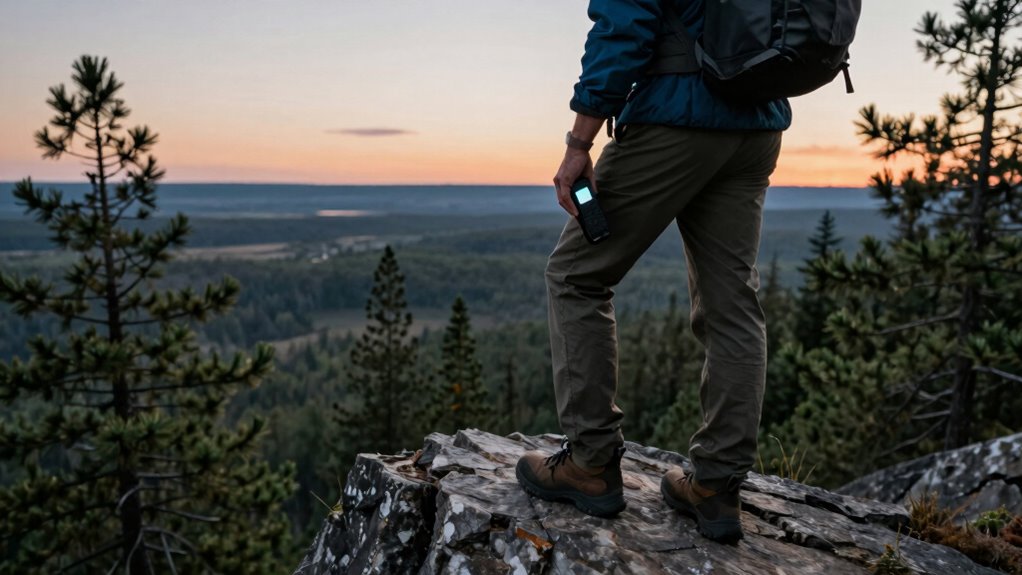
When choosing a satellite messenger, focus on key features like coverage, battery life, and ease of use to match your adventure needs. Consider your budget to find a device that offers the best value without sacrificing essential functions. Don’t forget to check its durability and weather resistance to make sure it withstands your outdoor conditions. Additionally, evaluating essential DIY tools and safety tips can help you perform basic repairs and ensure safe operation during your trips. For added peace of mind, look for devices that include security solutions like GPS tracking and emergency alerts to enhance your safety in remote areas. Incorporating home safety upgrades such as leak detectors and indoor air monitoring can also provide extra layers of security when you’re away from home. Being aware of your emotional well-being while planning outdoor adventures can help reduce stress and improve your overall experience.
Key Feature Considerations
Choosing the right satellite messenger depends on understanding which features will best suit your specific needs. Focus on aspects like design aesthetics, which can influence how comfortable and confident you feel carrying it. A sleek, rugged look might appeal if you’re outdoors often, while a simple, intuitive user interface guarantees you can operate it easily in stressful situations. Consider these key features:
- Ease of use: Quick access to important functions without frustration
- Display clarity: Sharp screens that work in bright sunlight or low light
- Durability: Strong build to withstand tough environments
Budget and Durability
Budget and durability are two of the most critical factors to contemplate when selecting a satellite messenger. Start with a thorough cost analysis to guarantee the device fits your financial plan without sacrificing essential features. Cheaper options might save money upfront but could lack durability or reliable signal coverage. On the other hand, investing in a reputable brand often guarantees better build quality and customer support, which are crucial if you rely on your device in emergencies. Consider how rugged the device is—look for water-resistant, shockproof designs if you’ll be outdoors frequently. A durable satellite messenger might cost more initially, but it can withstand harsh conditions and last longer, ultimately saving you money and stress in the long run. Additionally, understanding the specific industry standards for durability can help ensure you select a device that will perform reliably in challenging environments. When choosing a device, evaluating outdoor readiness features can further ensure it withstands the demands of remote adventures. Moreover, researching test certifications can provide insight into the device’s resilience and overall quality.
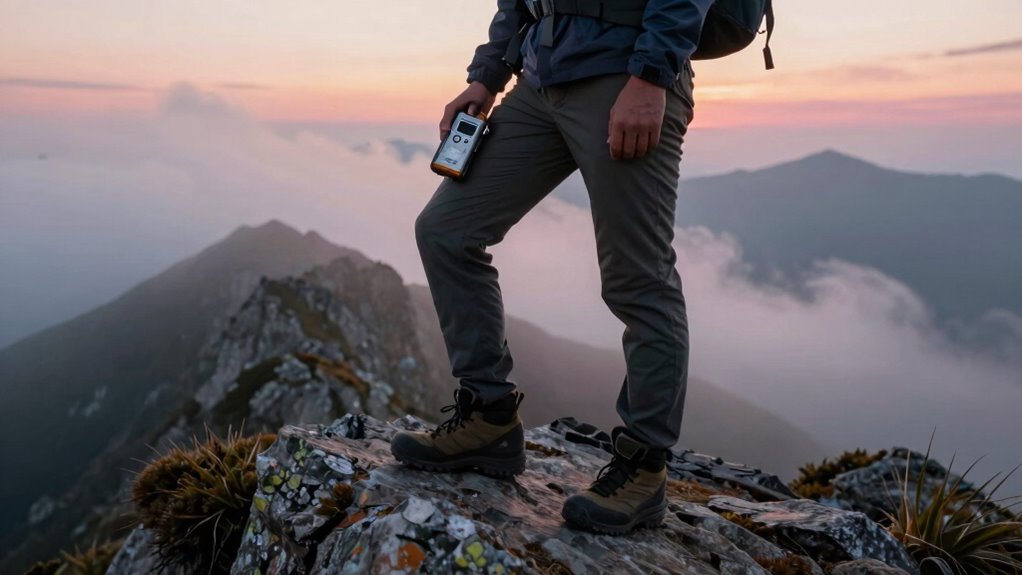
satellite GPS tracker for outdoor adventures
As an affiliate, we earn on qualifying purchases.
As an affiliate, we earn on qualifying purchases.
What Are the Limitations of Satellite Messengers?

Despite their many advantages, satellite messengers have notable limitations that can affect their reliability and usefulness in certain situations. One major issue is limited satellite bandwidth, which can slow down message delivery or prevent sending large data. Signal obstruction is another problem, especially in deep canyons, dense forests, or urban areas with tall buildings, where signals struggle to reach satellites. This can leave you feeling vulnerable and disconnected when you need help most.
Be aware of these challenges:
- You might not get a signal when you need it most
- Messages can be delayed or fail to send
- Your device’s effectiveness depends heavily on your environment
Understanding these limitations helps you make smarter decisions about when and where to rely on your satellite messenger.
When and How to Use Your Satellite Messenger in Emergencies

Knowing when and how to use your satellite messenger during an emergency can be be the difference between getting help quickly and remaining stranded. Use it immediately if you encounter a serious injury, a sudden storm, or you’re lost in remote terrain. Your satellite communication device is a crucial part of your emergency preparedness, ensuring rescue teams can locate you fast. Additionally, understanding co-parenting strategies can help manage stress and ensure safety for everyone involved during unexpected situations. Building resilience can also help children feel more secure and adaptable in challenging circumstances. Being aware of your work-life balance in these moments can further reduce stress and improve decision-making. Properly monitoring your power quality and ensuring your devices are charged can be vital in emergencies, especially when off-grid. Practicing faith-based trust in God’s plan can provide comfort and strength when facing unforeseen emergencies, helping you remain calm and focused.
Tips for Getting the Most Out of Your Satellite Messenger

To get the most from your satellite messenger, you should focus on conserving battery life and maintaining signal accuracy. Simple steps like turning off the device when not in use and keeping it in ideal positions can make a big difference. Staying mindful of these tips guarantees you’re prepared when it counts most. Additionally, understanding enterprise governance of your device can help ensure secure and compliant usage in various scenarios. Regularly reviewing your device’s monitoring settings can help detect any issues early and maintain optimal performance. Implementing proper system design principles can further enhance the reliability and safety of your satellite communications. Proper piercing care and hygiene can also prevent issues that might interfere with your device’s function, especially if it’s worn near sensitive areas. Being aware of NEAT principles can also contribute to overall device longevity by reducing unnecessary wear and tear.
Maximize Battery Life
Maximizing your satellite messenger’s battery life is essential for ensuring it’s ready when you need it most. To do this, focus on effective battery conservation and smart power management. Turn off the device when not in use, and disable non-essential features like Bluetooth or Wi-Fi. Adjust settings to lower screen brightness and set shorter alert tones to save energy. Consider enabling power-saving modes if available; these optimize battery usage during long trips.
- Feel confident knowing your device is prepared for emergencies
- Stay connected when it matters most, without worry
- Enjoy peace of mind, even in remote locations
Ensure Signal Accuracy
Getting the best signal from your satellite messenger often depends on your location and how you use the device. To improve signal accuracy, choose open areas away from dense trees or tall structures, which can block signals. Keep your device’s software updated to guarantee peak performance, especially for GPS accuracy and weather alerts. When sending messages or checking your location, hold the device steady and avoid movement that can interfere with signal reception. Pay attention to weather conditions, as storms or heavy cloud cover can weaken signals and delay weather alerts. Regularly calibrate your GPS if the device offers that option. These steps help ensure your satellite messenger provides accurate location data and timely alerts, keeping you better prepared and connected in remote areas.
Comparing Top Satellite Messenger Devices: Which One Is Right for You?
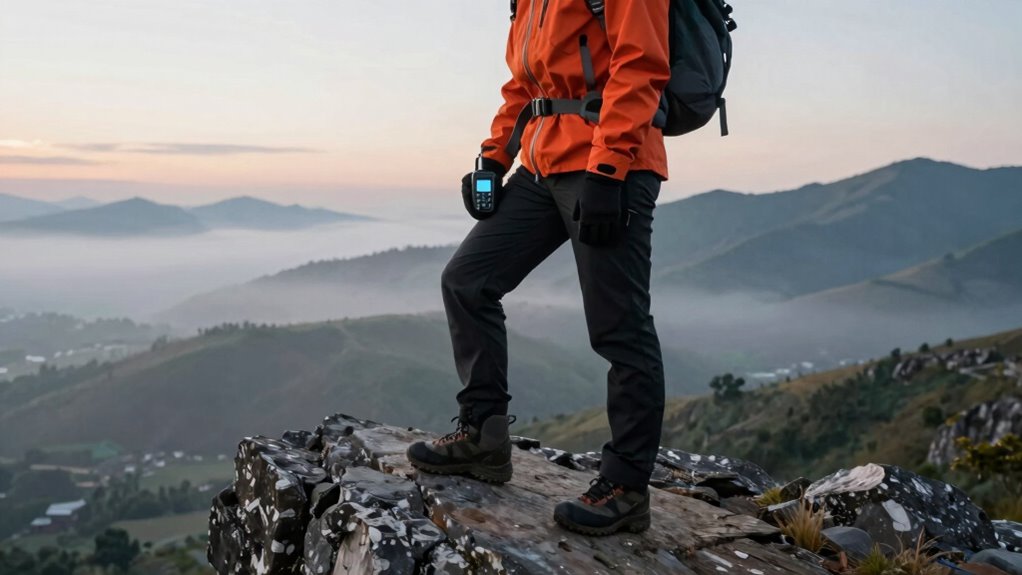
Choosing the right satellite messenger depends on your specific needs and activities, as different devices excel in various areas. When comparing top options, consider how satellite technology and communication protocols impact performance. Some devices offer global coverage, ensuring you stay connected no matter where you go. Others focus on durability, with rugged designs built for harsh environments. Features like GPS accuracy, emergency SOS functions, and user interface ease also matter. To help you decide, think about what matters most:
- Peace of mind knowing you’re always reachable
- Confidence in reliable, instant communication during emergencies
- Freedom to explore remote locations without worry
Assess these factors to find a device that aligns with your adventures, ensuring safety and connectivity wherever life takes you.
Frequently Asked Questions
Can Satellite Messengers Be Used Internationally Without Extra Charges?
Yes, satellite messengers can be used internationally without extra charges, thanks to their global coverage. However, you should check device compatibility before traveling to guarantee it works with local satellite networks. Some devices may require specific plans or have restrictions in certain regions. Always verify your service provider’s international policies to avoid unexpected costs, and confirm your device supports the necessary satellite frequencies for seamless global communication.
How Long Do Satellite Batteries Typically Last During Extended Trips?
During extended trips, satellite messenger batteries typically last between 10 to 20 days, depending on usage and model. Your battery life is influenced by power management practices, like turning off the device when not in use, reducing transmission frequency, and using low-power modes. To maximize your satellite messenger’s battery life, you should monitor power levels regularly and adjust your usage accordingly, ensuring reliable communication during your adventure.
Are Satellite Messengers Safe From Hacking or Tracking Breaches?
Satellite messengers are generally safe from hacking or tracking breaches thanks to encryption security, which protects your data. However, privacy concerns still exist, especially if the device isn’t regularly updated or if manufacturers have vulnerabilities. You should always choose reputable brands with strong security features, enable all available privacy settings, and stay informed about updates to minimize risks and keep your location and messages secure during your adventures.
Do Satellite Messengers Require a Subscription Plan to Operate?
Yes, satellite messengers usually require a subscription plan to operate, but it’s worth every penny because they provide reliable signal coverage in remote areas. You get device durability that withstands harsh conditions, ensuring you’re connected when it matters most. The subscription supports ongoing service and updates, making sure your device stays functional. Think of it as investing in your safety gear—essential for peace of mind during adventures.
Can Satellite Messengers Be Used for Two-Way Messaging in Emergencies?
Yes, satellite messengers can be used for two-way messaging in emergencies, which is essential for emergency protocols. You can send and receive messages even when cell service is unavailable, providing reliable communication in remote areas. Signal reliability is key; these devices use satellites instead of cellular networks, ensuring you stay connected during critical moments. Always check your device’s coverage and battery life before heading into remote locations for maximum safety.
Conclusion
A satellite messenger is your trusty lifeline when venturing into remote areas, like a loyal compass guiding you through the wilderness. It’s essential to know when and how to use it effectively, ensuring you’re safe and connected. Think of it as your personal safety net—ready to catch you when emergencies strike. With the right device and smart usage, you’ll navigate adventures with confidence, knowing help is never out of reach, no matter how far off the beaten path you go.
Fall Picks
fall essentials
As an affiliate, we earn on qualifying purchases.