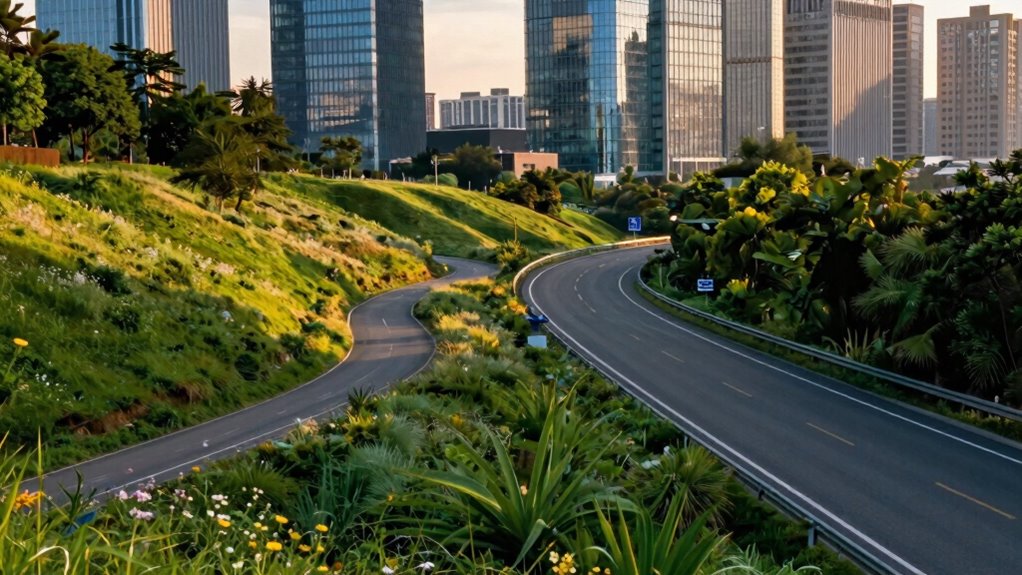
To choose between a scenic and a fast route without overthinking, consider your trip’s purpose and how much time you have. If you want to enjoy the sights and relax, go scenic—but check weather and road conditions first. If you’re on a tight schedule, opt for the quickest, safest route. Trust your instincts and stay informed about traffic and safety tips. Keep exploring for more tips to make this decision even easier.

Get travel and outdoor gear delivered free with Prime
- Fast, free delivery on millions of items
- Prime Video, Amazon Music and more included
- Member-only deals all year
Key Takeaways
- Define your trip goal: prioritize quick travel for efficiency or scenic routes for sightseeing and relaxation.
- Consider the weather and road conditions to ensure safety and avoid delays on scenic or fast routes.
- Balance budget and time: scenic routes may cost more but offer memorable experiences, while fast routes save money and time.
- Trust your intuition about safety, especially in unfamiliar areas or late-night travel.
- Use current traffic updates and local insights to choose the safest, most suitable route for your needs.

Are you unsure how to pick the best travel route for your trip? It’s a common dilemma, especially when you’re torn between a scenic path and a faster way to reach your destination. The key is balancing your priorities without overthinking every detail. First, consider your travel safety. If you’re unfamiliar with certain routes or traveling late at night, it’s safer to stick to well-lit, populated roads, even if they’re less picturesque. Safety should always come first, so avoid shortcuts or routes that seem sketchy or poorly maintained. Knowing your comfort level and comfort of your travel companions helps you make a smarter choice.
Next, think about your budget considerations. A scenic route might sound appealing, but it could also mean extra expenses—more fuel, tolls, or stops at attractions that aren’t included in your plan. Conversely, a fast route might save you money by reducing fuel consumption and minimizing stops, especially if you keep an eye on toll costs or choose the most direct path. If you’re on a tight budget, you might prioritize routes that are efficient and economical, even if they lack the charm of a scenic drive. But if you’ve budgeted for a leisurely trip, splurging on a more scenic route might be worth the extra cost.
Your trip’s purpose also plays a role. Are you eager to soak in local sights and take photos along the way? Then a scenic route could make the journey memorable. However, if you’re on a tight schedule or heading to an important appointment, a fast route will help you arrive on time and reduce travel stress. Remember, it’s not about choosing one over the other forever but aligning your route with your current priorities. Considering road conditions and local weather reports can help prevent unexpected delays and discomfort during your trip. Additionally, understanding traffic patterns can help you choose the best time to start your journey and avoid congestion.
Another factor to consider is the terrain and road conditions. Scenic routes often involve winding roads through rural or mountainous areas, which might slow you down or make driving more challenging, especially in bad weather. Check local weather reports and road conditions before you decide. If conditions are unfavorable, opting for a quicker, more reliable route ensures your safety and peace of mind. Additionally, some scenic routes may be more prone to weather-related disruptions, so staying informed can help you plan accordingly. Trusting your intuition about which route feels safest can also be beneficial, especially if you’re unfamiliar with the area.
Ultimately, the decision doesn’t need to be overwhelming. Think about what matters most—your safety, budget, time constraints, and what kind of experience you want. Sometimes, a mix of both might be the best solution: take a scenic route for part of the trip and switch to a faster path when needed. Trust your instincts and plan ahead, so your journey feels enjoyable without unnecessary stress.
GPS navigation device for road trips
As an affiliate, we earn on qualifying purchases.
As an affiliate, we earn on qualifying purchases.
Frequently Asked Questions
How Do I Determine if I Prefer Scenery or Speed?
You determine if you prefer scenery or speed by considering what benefits you more: scenic relaxation or speed efficiency. If you find joy in leisurely views and want a calming experience, opt for the scenic route. But if you value getting there quickly and efficiently, choose the fast route. Reflect on your mood and priorities—do you seek tranquility or time-saving convenience? Your choice reveals your preference for scenic relaxation or speed efficiency.
What Factors Influence My Decision to Take a Longer Route?
You might take a longer route when time management isn’t your top priority or when the scenery unexpectedly catches your eye. Cost considerations also matter—if a scenic detour adds little extra expense, you could enjoy the view without worry. Sometimes, a chance encounter with a charming town or hidden vista makes the longer journey worthwhile, turning a simple trip into a memorable adventure, even if it takes more time.
Can I Switch Routes Mid-Trip Without Issues?
Yes, you can switch routes mid-trip, but keep an eye on traffic congestion and road maintenance updates. If you encounter unexpected delays, changing your route can save you time and frustration. Use real-time navigation apps to check current conditions and guide you smoothly. Just make certain to plan ahead and stay flexible—your ability to adapt ensures a better journey, whether you stick to your original plan or switch on the fly.
How Do Weather Conditions Affect Route Choices?
Weather conditions greatly impact your route choices. Weather hazards like heavy rain, snow, fog, or ice can make certain roads dangerous, especially during seasonal changes. To stay safe, check the forecast before you travel, and be ready to adjust your plans. If conditions worsen, opt for the faster, more maintained routes or avoid scenic roads prone to weather hazards. Prioritizing safety guarantees a smoother, stress-free trip.
What Are Signs I Should Change My Route During Travel?
Your instinct is your compass—if you notice traffic congestion building or unexpected road closures, it’s time to change your route. Don’t ignore the signs like sudden delays, strange detours, or a sudden slowdown in traffic. These signals act as a GPS for your journey. Trust your intuition and adapt quickly; staying on a blocked or congested route wastes time and fuels frustration. Keep alert, and your trip stays smooth.
As an affiliate, we earn on qualifying purchases.
Conclusion
So, next time you’re faced with a choice between a scenic route and a fast one, trust your gut—your heart knows the adventure it craves. Don’t let overthinking turn your journey into a boring, gray blur; instead, embrace the magic of discovery and let the road surprise you. Remember, life’s too short to rush past breathtaking views or unforgettable moments. Choose boldly, and turn your trip into a story you’ll tell for a lifetime!
car mount phone holder for navigation
As an affiliate, we earn on qualifying purchases.
As an affiliate, we earn on qualifying purchases.
As an affiliate, we earn on qualifying purchases.
Halloween Picks
halloween
As an affiliate, we earn on qualifying purchases.