When venturing into remote backcountry areas, reliable communication is essential for safety and peace of mind. The best rated satellite communicators offer two-way messaging, emergency SOS, and GPS tracking, but they vary in size, coverage, and features. The New ACR Bivy Stick stands out for its rugged build and comprehensive features, while the Garmin InReach Mini is praised for its compact design and trusted brand. Tradeoffs often involve balancing cost, ease of use, and coverage reliability. Keep reading to see how these options compare and find the best fit for your adventures.
Key Takeaways
- The most versatile devices combine global coverage with user-friendly interfaces, but they often come at a higher cost.
- Compact size is a priority for many backcountry travelers, yet smaller units might sacrifice features like full keyboard access or extended battery life.
- Ruggedness and durability are critical for off-grid use, making some devices better suited to extreme conditions than others.
- Subscription plans significantly influence overall value; some devices include plans, while others require separate purchases.
- Emergency SOS features are now standard, but their effectiveness depends on the satellite network coverage and device placement.


More Details on Our Top Picks
New ACR Bivy Stick 2-Way Satellite Communicator with Carrying Case and Carabiner Bundle
This versatile satellite communicator stands out for its ease of use and comprehensive features, including global SMS, GPS location sharing, offline maps, and emergency SOS, making it ideal for serious backcountry adventures. Compared to the Garmin inReach Mini, the Bivy Stick offers similar core functionalities but often at a more accessible price point, with the added bonus of a rugged carrying case and carabiner for convenience. Its offline maps and GPS sharing ensure you stay connected even without cell service, yet it lacks some advanced map download capabilities and weather info that Garmin provides. The SOS feature is reliable, although the device’s simplicity might limit advanced navigation options. This pick makes the most sense for adventurers seeking reliable off-grid communication without unnecessary frills, especially when portability and durability are priorities.
Pros:- Rugged, protective pouch with belt attachment and carabiner for easy carry
- Offline maps and GPS location sharing ensure connectivity without cell service
- Includes unlimited check-in messages and SOS emergency rescue capabilities
Cons:- Limited advanced navigation features compared to high-end units like Garmin inReach Mini
- No weather forecast support or downloadable maps beyond basic offline maps
- Basic interface may lack some customization options
Best for: Backcountry travelers needing dependable GPS and messaging with a rugged, portable design
Not ideal for: Tech-savvy explorers wanting detailed maps and weather updates integrated into a single device
- Global Satellite Network:Iridium
- Offline Maps & Navigation:Yes
- GPS Location Sharing:Yes
- Check-in Messages:Unlimited
- SOS Emergency Rescue:Yes
- Device Durability:Rugged, IP65-rated
Bottom line: Ideal for outdoor enthusiasts who prioritize durability, portability, and reliable basic communication on remote trips.
ZOLEO Satellite Communicator – Two-Way Global SMS Text Messenger & Email, Emergency SOS Alerting, Check-in & GPS Location – Android iOS Smartphone Accessory (Renewed)
This refurbished ZOLEO device makes a strong case for those who want seamless smartphone integration and reliable global messaging, including email and SMS, with the added safety of SOS alerts. Compared to the Garmin inReach Mini, ZOLEO excels in user-friendly app connectivity and supports weather forecasts and long messages, making it suitable for less technical users who prefer smartphone control. While it offers unlimited check-ins and GPS location sharing, it doesn’t include detailed offline maps or navigation features present in Garmin or Garmin-like devices. Its IP68 ruggedness ensures durability, but the reliance on a subscription service can add ongoing costs. This device is best suited for casual outdoor adventurers who want straightforward messaging and emergency features without the bulk of traditional GPS units.
Pros:- Supports SMS, email, and GPS location sharing through smartphone app
- Rugged, IP68-rated for durability in tough conditions
- Long battery life of over 200 hours and affordable monthly plans
Cons:- Lacks detailed offline maps and navigation capabilities
- Subscription plans are required for full functionality, adding ongoing costs
- Limited to messaging and SOS, not suited for advanced navigation or weather updates
Best for: Hikers and travelers seeking simple, smartphone-connected satellite messaging with emergency SOS
Not ideal for: Off-grid explorers requiring detailed maps, navigation, or weather updates directly on device
- Connectivity:Cell, Wi-Fi, Satellite
- Battery Life:Over 200 hours
- Supported Devices:Smartphones (iOS/Android)
- Water Resistance:IP68
- Messaging Capabilities:SMS, Email, Check-ins
- GPS Sharing:Yes
Bottom line: Best for users prioritizing simple, reliable satellite messaging and emergency SOS over detailed navigation features.
Garmin 010-01879-00 InReach Mini, Lightweight and Compact Satellite Communicator, Orange
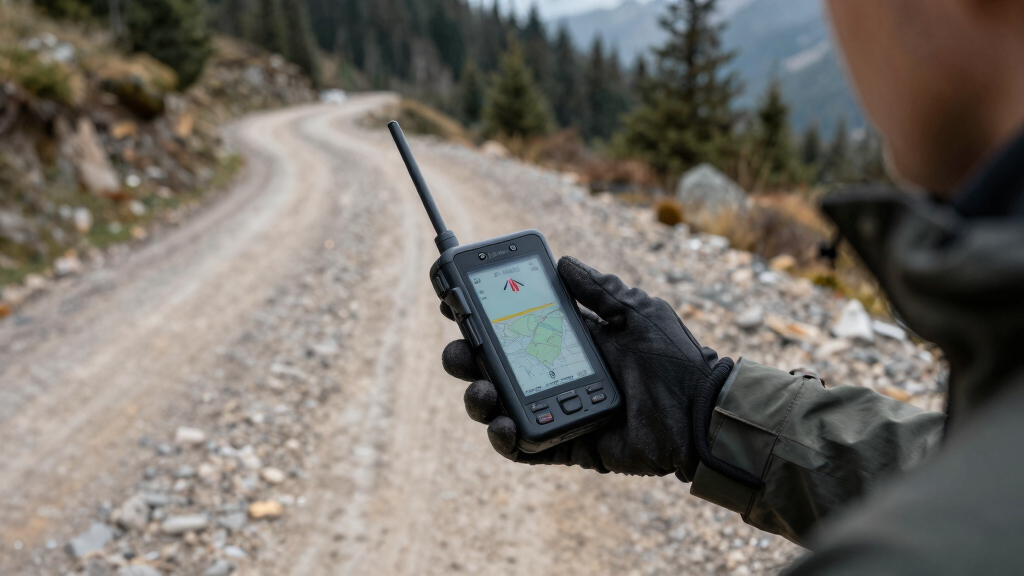
The Garmin inReach Mini is a compact powerhouse, offering two-way text messaging, global satellite coverage, and downloadable maps via the Earthmate app, making it ideal for those who need detailed navigation and weather updates. Compared with the simpler ZOLEO, it provides more map options, NOAA charts, and the ability to trigger interactive SOS, but at a higher price and with a slightly larger form factor. Its rugged design and long battery life suit serious adventurers, yet its interface is more complex, which could challenge beginners. The subscription service adds ongoing costs but ensures reliable, global connectivity for critical situations. This device is perfect for backcountry explorers who need precise navigation, weather info, and emergency support in one small package.
Pros:- Downloadable maps, NOAA charts, and aerial imagery via Earthmate app
- Reliable two-way messaging and SOS with interactive rescue support
- Long-lasting battery with up to 90 hours of life
Cons:- Higher cost due to maps and subscription required for full features
- Bulkier than other minimalist devices, less pocket-friendly
- Requires a learning curve for navigation and map management
Best for: Backcountry skiers, climbers, and hikers requiring detailed maps and weather updates
Not ideal for: Casual day hikers or those preferring a simple device for occasional use
- Display Size:0.9 x 0.9 inch
- Connectivity:Iridium Satellite
- Battery Life:Up to 90 hours
- Map Compatibility:Earthmate app
- SOS Functionality:Interactive, Global
- Weather Service:NOAA charts, updates
Bottom line: Best suited for serious off-grid explorers who need detailed maps, weather, and dependable emergency SOS in a compact form.
ZOLEO Satellite Communicator – Two-Way Global SMS Text Messenger & Email, Emergency SOS Alerting, Check-in & GPS Location – Android iOS Smartphone Accessory
This ZOLEO model offers a strong combination of durability, long battery life, and seamless smartphone integration, making it ideal for casual outdoor users. Its long standby of four days and support for SMS, email, check-ins, and GPS sharing make it versatile, yet it lacks detailed navigation or offline maps that Garmin’s inReach Mini provides. Compared to the entry-level Bullitt Satellite Link, ZOLEO’s app-centric approach makes it easier for non-technical users to manage messages, though ongoing subscription costs are necessary for full features. Its IP68 rating guarantees durability in harsh environments, but it doesn’t include advanced weather or mapping features. This device best fits those who want rugged, dependable messaging and emergency alerts without the bulk of dedicated GPS units.
Pros:- Supports SMS, email, GPS, and check-ins via smartphone app
- IP68-rated for rugged durability
- Long battery standby of over 200 hours
Cons:- No onboard detailed maps or navigation features
- Requires ongoing subscription service for full functionality
- Limited weather updates compared to Garmin units
Best for: Casual hikers and travelers seeking durable, smartphone-based satellite messaging and SOS
Not ideal for: Explorers needing detailed offline maps or weather updates on the device itself
- Connectivity:Cell, Wi-Fi, Satellite
- Battery Life:Over 200 hours standby
- Water Resistance:IP68
- Messaging:SMS, Email, Check-ins
- GPS Sharing:Yes
- Supported Devices:Smartphones (iOS/Android)
Bottom line: Best for users who prioritize durable messaging and emergency SOS without complex navigation features.
Motorola Defy Satellite Link – Rugged Handheld GPS Communicator, Two-Way Global SMS Text Messenger, Emergency SOS Alerting – Android iOS Compatible
The Motorola Defy Satellite Link is a highly rugged device designed mainly for emergency SOS and basic messaging, with a focus on durability. It’s compatible with both iOS and Android, and supports two-way SMS and SOS alerts via satellite, making it suitable for extreme environments. Unlike Garmin’s inReach Mini, it offers fewer navigation and mapping features, concentrating instead on reliable communication in tough conditions. Its small size and IP68 rating ensure it withstands dust, water, and shocks, but its limited feature set means it’s better suited for emergency use rather than navigation or weather updates. The $19.99/month plan adds ongoing costs, but its durability and simplicity make it a dependable backup device. This unit is ideal for users who need a tough, straightforward satellite SOS device for extreme adventures.
Pros:- Rugged, dustproof, and waterproof to IP68 standards
- Compatible with both iOS and Android smartphones
- Reliable two-way satellite messaging and SOS alerts
Cons:- Limited navigation and mapping features
- Requires a subscription service, adding ongoing costs
- No onboard weather or detailed offline maps
Best for: Adventurers in extreme conditions needing reliable SOS and basic messaging
Not ideal for: Hikers or explorers requiring detailed maps, navigation, or weather updates
- Device Dimensions:3.4 x 2.5 x 0.5 inches
- Battery Life:Up to 4 days standby
- Supported OS:iOS 14+, Android 10+
- Connectivity:Bluetooth
- Waterproof Rating:IP68
- Main Use:Emergency, basic messaging
Bottom line: Best for off-grid explorers who prioritize rugged emergency communication over navigation features.
ACR Bivy Stick Satellite Communicator – Two-Way Global SMS, GPS Tracker, Off-Grid Communication, SOS Emergency Beacon, Satellite Messenger & Location Sharing – iOS/Android App
The ACR Bivy Stick stands out for its extensive global coverage via Iridium satellites, making it ideal for those venturing far from cell service. Compared with the Garmin InReach Mini, the Bivy offers more versatile messaging options, including email and group messaging, which is a major advantage for coordinating with multiple contacts or guides. Its integrated SOS and 24/7 emergency monitoring through Global Rescue add a layer of safety that appeals to serious backcountry travelers. However, the reliance on subscription plans can increase ongoing costs, and the device’s bulk is less pocket-friendly than more compact options like the InReach Mini. It’s best suited for adventurers who prioritize comprehensive off-grid communication and safety features over ultra-lightweight gear.
Pros:- Global Iridium satellite coverage for worldwide connectivity
- Unlimited GPS check-ins and live location sharing
- GroupTrack for multi-user tracking and messaging
Cons:- Bulkier size compared to smaller devices like the InReach Mini
- Higher monthly and annual subscription costs
Best for: Backcountry explorers needing reliable global messaging, group coordination, and emergency support.
Not ideal for: Solo hikers or minimalists who prefer a lightweight device with simple SOS functions and lower ongoing costs.
- Satellite Coverage:Iridium (global)
- Messaging:Two-way SMS, email, group chat
- Emergency Service:24/7 Global Rescue monitoring
- Subscription Plans:Basic $19.99/month, Plus $34.99, Unlimited $59.99
- GPS Tracking:Unlimited check-ins, live location sharing
- Offline Maps:Downloadable
Bottom line: This device makes the most sense for serious adventurers who need detailed tracking, group communication, and emergency support in remote areas.
How We Picked
The products in this roundup were evaluated based on a combination of performance, usability, build quality, and value. Priority was given to devices with reliable global satellite coverage, straightforward user interfaces, and durable designs suitable for rough conditions. Battery life was a key factor, as long-lasting power is critical off-grid. We also considered subscription costs and additional features like GPS tracking and messaging capabilities. The ranking aims to highlight options that best balance these factors for different types of remote backcountry users.Factors to Consider When Choosing Top Rated Satellite Communicator For Remote Backcountry Road Trips
Choosing the right satellite communicator involves weighing several important factors. Beyond basic coverage, buyers should consider ease of use, device durability, battery life, and cost of service plans. Making an informed decision ensures you get a device that meets your safety needs without unnecessary complexity or expense. Here are key considerations to keep in mind:Coverage and Satellite Network
The primary purpose of a satellite communicator is to provide reliable coverage in remote areas. Devices typically operate on Iridium, Globalstar, or other networks, each with different coverage maps. Iridium-based devices tend to have truly global coverage, making them more dependable for backcountry trips far from cell towers. Choosing a device with the right satellite network ensures you’re reachable and can send emergency signals wherever your adventures take you, but often at a premium cost.
Ease of Use and Interface
Ease of operation is vital when you need quick access to emergency functions or communication. Devices with intuitive interfaces, clear displays, and simple controls reduce the chance of user error in stressful situations. Some models feature dedicated buttons for SOS or messaging, while others rely on smartphone apps, which can introduce delays or connection issues. Consider your comfort level with technology, especially if you plan to use the device frequently or in high-pressure scenarios.
Durability and Weather Resistance
Backcountry environments demand rugged gear. Look for devices rated for water resistance, dustproofing, and shock absorption. A device that withstands drops, rain, and extreme temperatures will serve you better over time, reducing the risk of failure when you need it most. Cheaper models may lack these protections, so evaluate their build quality against your specific conditions.
Battery Life and Power Options
Long battery life is essential for multi-day trips. Some devices offer rechargeable batteries with several days of use, while others include replaceable batteries or external power options. A device with insufficient battery life might leave you stranded if it runs out during an emergency. Always check average runtime estimates and consider bringing portable chargers or extra batteries if your trip duration exceeds the device’s capacity.
Subscription and Service Costs
Many satellite communicators require ongoing service plans for messaging and emergency features. These costs can add up over time, so compare monthly or annual plans across devices. Some products include free or bundled plans for initial periods, while others charge separately. Weigh the upfront device cost against long-term service expenses to determine overall value, especially if you plan frequent trips or extended wilderness stays.
Frequently Asked Questions
Can I use a satellite communicator anywhere in the world?
Most satellite communicators provide global coverage, especially those operating on the Iridium network, which offers near-planetary reach. However, coverage can vary based on your specific location, terrain, and satellite conditions. Mountainous regions or dense forests might reduce signal quality, even with global networks. Always check the coverage maps for your destination and consider a device with the broadest network compatibility to ensure connectivity when most needed.
Are satellite communicators worth the cost for casual backcountry trips?
For occasional trips, a satellite communicator can offer peace of mind without a huge investment, especially if safety is a priority. Many affordable models provide basic messaging and emergency features, which might be enough for less frequent use. However, if you only venture into remote areas once or twice a year, consider whether the ongoing service costs justify the added safety. For regular adventurers, investing in a reliable device is more justified.
What’s the difference between a GPS messenger and a satellite phone?
A GPS messenger focuses on sending texts, location sharing, and emergency signals, typically at a lower cost and with longer battery life. Satellite phones, on the other hand, offer voice calling capabilities, making them more versatile but also more expensive and bulkier. For backcountry trips where voice communication isn’t essential, a dedicated satellite messenger generally provides enough safety features without the complexity and expense of a satellite phone.
How important is battery life compared to other features?
Battery life directly impacts your ability to stay connected during extended trips. A device with a short runtime might leave you without communication in critical moments, especially if you forget to carry spare batteries or chargers. While features like messaging and GPS are vital, they are useless if the device runs out of power. Prioritize a device with proven long battery life, especially for multi-day adventures in areas with no recharging options.
Should I prioritize a rugged device or one with more features?
Durability should often take precedence for remote backcountry use, as rugged devices are less likely to fail from drops, water exposure, or dust. However, more features—such as advanced GPS, detailed mapping, or additional connectivity—are valuable if you have specific needs. The best approach is to balance durability with necessary features, choosing a device that withstands tough conditions without sacrificing core communication capabilities.