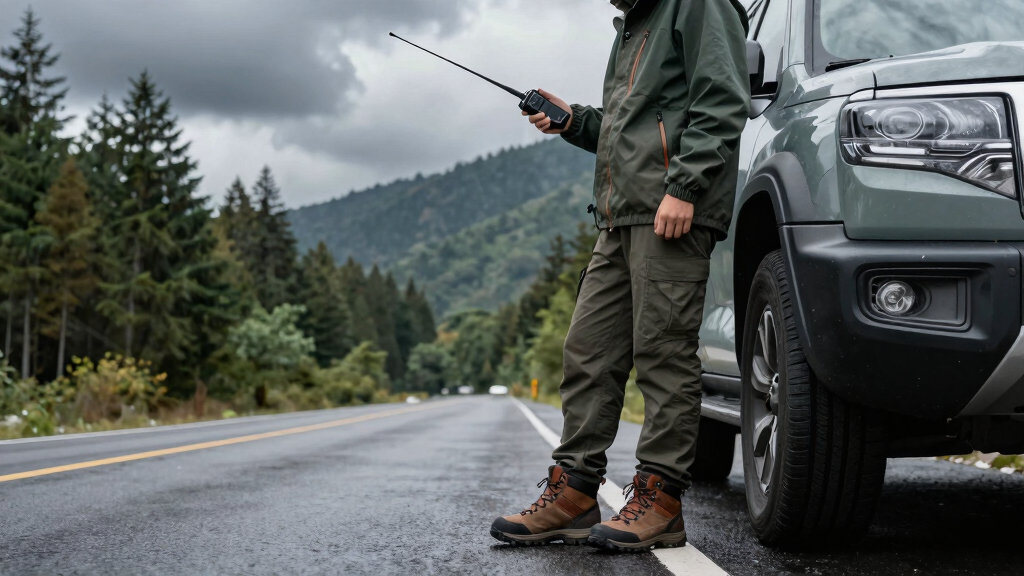
When planning for storm-season road trips, having a reliable portable weather radio is essential. The RunningSnail Emergency Hand Crank Radio stands out for its versatility, combining a NOAA weather alert with a built-in power bank and flashlight. For those prioritizing long-lasting reception, the PRUNUS Portable Radio offers excellent signal clarity and multiple power options. However, tradeoffs include size, battery life, and feature complexity. Continue reading for a detailed breakdown of these options to find the best fit for your storm safety needs on the road.

Get travel and outdoor gear delivered free with Prime
- Fast, free delivery on millions of items
- Prime Video, Amazon Music and more included
- Member-only deals all year
Key Takeaways
- Top picks balance weather alert reliability with battery life and ease of use.
- Multiple power options, especially solar and hand crank, are vital for extended trips without access to charging.
- Reception quality varies significantly; radios with external antennas or advanced tuning outperform basic models.
- Additional features like SOS alarms, flashlight, and phone charging increase versatility but often add bulk and cost.
- Price ranges reflect build quality and feature set, so consider whether extra features justify the expense for your needs.


More Details on Our Top Picks
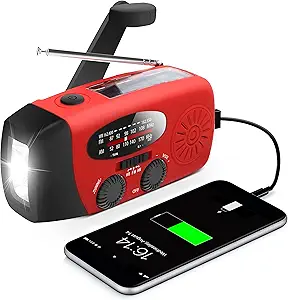
RunningSnail Emergency Hand Crank Radio With LED Flashlight For Emergency, AM/FM NOAA Portable Weather Radio With 2000mAh Power Bank Phone Charger, USB Charged & Solar Power For Camping, Emergency
This lightweight, pocket-sized radio stands out for its multi-source power options, including hand crank, solar, and rechargeable battery, making it ideal for prolonged storm seasons. Unlike larger models like the FosPower NOAA Emergency Weather Radio, it prioritizes portability without sacrificing essential features like NOAA alerts, flashlight, and phone charging. The manual emphasizes that solar charging is mainly for battery maintenance, not quick recharging, which is a key tradeoff. Its small size and rugged design make it perfect for hikers and car travelers who need reliable emergency communication. However, the manual removal of the battery and the limited solar charging capacity could be a drawback in extended outages. This pick makes the most sense for those who want a dependable, all-in-one portable device for outdoor or vehicle use.
Pros:- Very small and lightweight, easy to carry anywhere
- Multiple power sources including hand crank, solar, and rechargeable battery
- Built-in flashlight and phone charging capability
Cons:- Limited solar charging; mainly for maintaining battery, not rapid recharging
- Battery is manually removable, which could be inconvenient in emergencies
- Shorter operational hours on a full charge compared to larger models
Best for: Hikers, outdoor enthusiasts, and storm-season travelers needing a compact, multi-power emergency radio.
Not ideal for: Home users seeking a larger, more feature-rich unit with extended battery life and bigger speakers.
- Bands Supported:AM/FM/Weather
- Power Source:Hand Crank, Solar, Rechargeable Battery
- Battery Capacity:2000mAh Li-ion
- Dimensions:5 x 1.8 x 2.4 inches
- Weight:0.49 pounds
- Built-In Features:Flashlight, Phone Charger
Bottom line: Ideal for outdoor adventurers and vehicle travelers who need a portable, multi-power weather radio with emergency features.
FosPower NOAA Emergency Weather Radio A1 7400mWh Portable Power Bank, AM/FM, USB/Solar/Hand Crank Charging, Battery Operated, SOS Alarm & Flashlight for Indoor/Outdoor Emergency – Orange
This model excels for its high-capacity power bank, providing up to 7400mWh (2000mAh), and its robust feature set includes NOAA alerts, multiple charging options, and a bright flashlight. Compared with the RunningSnail, it offers more battery capacity and a more user-friendly interface with large controls and LCD display. Its main tradeoff is a slightly larger size and weight, which may reduce portability for backpackers. It’s perfect for campers and preppers who want a reliable power source and weather alert system in one device. The manual notes that solar charging is mainly for maintaining battery, not rapid recharging, which is a key consideration. This pick makes sense for those prioritizing emergency power and comprehensive alerts over ultra-compact size.
Pros:- Large 7400mWh (2000mAh) power bank for device charging
- Multiple charging options including solar, hand crank, and batteries
- Bright LED flashlight and SOS alarm
Cons:- Relatively larger and heavier than compact models like the RunningSnail
- Bulkier design may reduce portability for quick trips
- Solar charging mainly for battery maintenance, not fast recharging
Best for: Campers, emergency preppers, and outdoor travelers needing a powerful, multi-function weather radio and power bank.
Not ideal for: Lightweight backpackers or those needing the smallest, most portable device for quick storm alerts.
- Bands Supported:AM/FM/Weather
- Power Bank Capacity:7400mWh (2000mAh)
- Charging Options:Solar, Hand Crank, Batteries
- Display:Large LCD
- Weight:14.8 ounces
- Built-In Features:Flashlight, SOS Alarm
Bottom line: Best suited for users who need a durable, high-capacity emergency power source with weather alerts for outdoor or camping use.
NOAA Weather Radio-S.A.M.E. Localized Programming,Weather Alert Radio with 80+ Emergency Alerts,Alarm Clock,NOAA Weather Radio with Battery Backup,External Warning Light for Emergency
This NOAA Weather Radio offers advanced features like S.A.M.E. programming for localized alerts, over 80 emergency alerts, and an external warning light, making it well-suited for urban and suburban storm preparedness. Unlike the Raynic model, which emphasizes portability and outdoor use, this radio prioritizes detailed regional alerts and customization, helpful in areas with frequent severe weather. Its external antenna and alert light improve signal reliability and visibility during storms. The main tradeoff is its larger size and lack of a built-in power bank, limiting portability. Perfect for home or station use, this radio is ideal for those who want tailored weather alerts and a reliable alert system for storm seasons.
Pros:- Localized programming with over 80 alerts for specific areas
- External antenna for improved signal reception
- External warning light enhances alert visibility
Cons:- Larger, less portable than handheld models like the Raynic
- No built-in power bank or charging features
- Designed more for stationary use in storm-prone areas
Best for: Homeowners, storm watchers, and local emergency stations needing tailored regional alerts.
Not ideal for: Hikers or travelers seeking a compact, portable device for outdoor storm warnings.
- Alerts Supported:80+ Emergency Alerts
- Power Source:Battery Backup
- External Features:Antenna, Warning Light
- Display:LCD
- Size:Larger, stationary design
- Additional Features:Alarm Clock
Bottom line: Best for users who want tailored, regional weather alerts with enhanced visibility for home or station use during storm seasons.
Raynic Emergency Weather Radio, 5000mAh/18500mWh Weather Radio, Portable Solar Hand Crank Radio with AM/FM/SW/NOAA, Cell Phone Charger, Headphone Jack, Flashlight and SOS Siren
This model stands out for its large 5000mAh (18500mWh) battery, making it ideal for extended storm seasons or power outages. Compared with the RunningSnail, it offers a higher capacity and a more user-friendly large LCD display, providing clear info on battery and tuning. It includes six charging methods, including solar, hand crank, and USB, making it very versatile. However, the manual indicates that the solar panel is mainly for battery maintenance, not rapid recharging, which limits its use in prolonged outages. Its overall rugged build and multiple features, including SOS alarm, make it suitable for outdoor and emergency use. The learning curve for operation is slightly higher due to its advanced features. It’s perfect for those who need a reliable, high-capacity device for storms or outdoor adventures.
Pros:- Large 5000mAh (18500mWh) battery for prolonged use
- Six charging options including solar, hand crank, and USB
- Bright flashlight, SOS siren, and headphone jack
Cons:- Relatively larger and heavier than ultra-portable models like the RunningSnail
- Solar panel mainly for battery maintenance, not fast charging
- Complex operation with multiple features requiring some learning
Best for: Outdoor adventurers, storm preppers, and travelers seeking a durable, high-capacity emergency radio with extensive charging options.
Not ideal for: Those looking for a smaller, ultra-lightweight device for quick storm alerts and portability.
- Bands Supported:AM/FM/SW/NOAA
- Battery Capacity:18500mWh / 5000mAh
- Charging Options:USB, Solar, Hand Crank, 6 Ways
- Display:Large LCD
- Weight:1.2 pounds
- Build:Rugged, Waterproof
Bottom line: Best for users needing a rugged, high-capacity emergency radio with multiple charging methods for outdoor and storm preparedness.
NITIGO Emergency Weather Radio, 4000mAh NOAA Weather Alert Radio Solar Charging, Hand Crank & USB Charged, AM/FM with LED Flashlight, Reading Lamp, SOS Alarm, Headphone Jack for Outdoor Indoor
This compact device offers a good balance of features and affordability, equipped with a 4000mAh battery, NOAA alerts, LED flashlight, reading lamp, and SOS alarm. Compared to the Raynic model, it provides a similar battery capacity in a smaller size, making it ideal for everyday storm preparedness or outdoor trips. The manual notes that solar charging is mainly for maintaining battery, not rapid recharging, which is a common tradeoff. Its multi-functionality and low price point make it appealing for budget-conscious users who want reliable alerts and basic power backup. The small size and lightweight design favor portability but may limit sound volume and long operation hours on a single charge. This makes it perfect for casual storm-watchers or as a backup device.
Pros:- Compact, lightweight, easy to carry
- Includes LED flashlight, reading lamp, and SOS alarm
- Affordable with reliable NOAA alerts
Cons:- Limited battery capacity compared to larger models like the Raynic
- Solar charging mainly for battery maintenance, not fast recharge
- Sound volume and feature complexity may be limited for advanced users
Best for: Budget-conscious storm watchers, outdoor hikers, and casual users needing a multifunctional emergency radio.
Not ideal for: Power users or storm preppers requiring long operational hours or larger battery capacity.
- Bands Supported:AM/FM/Weather
- Battery Capacity:4000mAh / 14800mWh
- Charging Options:USB, Solar, Hand Crank
- Features:LED Flashlight, Reading Lamp, SOS Alarm
- Size:Smaller portable
- Build:Water-resistant
Bottom line: A solid budget option for casual storm preparedness and outdoor activities with essential features.
NOAA Weather Radio – Emergency NOAA/AM/FM Battery Operated Portable Radio with Best Reception and Longest Lasting Transistor, by Vondior
This compact, lightweight radio excels in delivering reliable weather alerts even in wilderness areas, thanks to its updated DSP chips and sensitive reception. Compared to the Midland WR120B, it offers better NOAA weather band sensitivity, making it ideal for off-grid adventures. Its simple operation—just insert batteries and tune—appeals to users seeking straightforward emergency gear. However, its AM reception can be noisy, especially during the day, and it relies solely on AA batteries, which may require frequent replacement during extended outages. Still, its loud, clear sound and headphone jack make it perfect for storm-season trips where space and ease of use matter. This pick makes the most sense for outdoor enthusiasts needing a reliable, no-frills weather radio that works off the grid.Pros:- Very lightweight and pocket-sized for easy carry
- Excellent NOAA weather band sensitivity in remote areas
- Loud, clear speaker with headphone jack
Cons:- No automatic weather alert notifications—manual tuning required
- AM reception can be noisy, especially in urban interference zones
- Runs only on AA batteries, which may need frequent replacement
Best for: Hikers, anglers, or campers who prioritize portability and simple operation during storm season
Not ideal for: Home users seeking multi-day power backup or advanced features like automatic alerts
- Size:4.6*2.8*1.2 inches
- Weight:0.3 lb
- Power:2 AA batteries
- Bands Supported:NOAA, AM, FM
Bottom line: Ideal for outdoor adventurers who need a straightforward, portable weather radio that performs well in wilderness conditions.
NOAA Weather AM FM Portable Radio with Best Reception, Transistor Radio, 3 X D Battery Operated Radios or AC Power, Emergency Household&Outdoor, Plug in Wall by PRUNUS
Compared with the Vondior, this radio stands out for its superior battery life—over a month on three D batteries—and the ability to operate on AC power, making it well-suited for home emergency preparedness. Its high-quality DSP chip and telescopic antenna deliver static-free NOAA weather updates, even during extended outages, which is a step above many portable options. It features a large, easy-to-read analog dial and a powerful 3W speaker that fills a room, making it great for family use or base camp situations. On the downside, the bulkier size and weight (over a pound) make it less ideal for backpacking or portability. Still, its long-lasting power and simple controls make it perfect for storm-season home use or base station setup.Pros:- Long-lasting power—over a month on D batteries
- Can operate on AC power with included plug
- Large, easy-to-read analog display and strong sound
Cons:- Relatively bulky and heavy for portable use
- No automatic weather alerts—manual tuning needed
- Requires D batteries, which can be bulky and hard to find in emergencies
Best for: Families or individuals preparing for storm season who want a reliable, long-lasting radio for home or shelter use
Not ideal for: Hikers or outdoor travelers needing lightweight, compact gear for wilderness trips
- Size:9.2 x 2.4 x 5.2 inches
- Weight:1.3 lb
- Power:3 D batteries or AC plug
- Bands Supported:NOAA, AM, FM
Bottom line: Best suited for home or shelter-based storm preparedness where long-term power options are essential.
Raynic Emergency Radio, 5000mAh/18500mWh Weather Radio, Solar Hand Crank Radio with AM/FM/SW/NOAA Alert, Cell Phone Charger, Headphone Jack, Flashlight and SOS Siren
This versatile radio combines multiple power sources—solar, hand crank, rechargeable battery, and AAA—making it highly reliable during prolonged storm outages, outperforming the D-cell powered PRUNUS in adaptability. Its large HD LCD display ensures clear tuning and battery status, which is helpful in stressful situations. The built-in flashlight, SOS siren, and USB port for phone charging add emergency utility beyond just weather alerts, ideal for storm season in both urban and rural settings. The main tradeoff is its larger size and weight (about a pound), which reduces portability for storm-season road trips. Still, its multifunctional design makes it a top choice for comprehensive emergency preparedness where power sources may be scarce.Pros:- Multiple charging options including solar and hand crank
- Built-in flashlight, SOS alarm, and USB charging for devices
- Large LCD display with digital tuning for easy operation
Cons:- Relatively heavy and bulky for portable trips
- More complex controls may be overwhelming for some users
- Price is higher due to multifunctionality
Best for: Preppers, outdoor travelers, or storm evacuees seeking a multi-purpose, rechargeable emergency radio
Not ideal for: Minimalists or ultralight backpackers who need a small, lightweight device
- Size:6.8 x 3.7 x 2.9 inches
- Weight:1 lb
- Power:Rechargeable, solar, hand crank, USB, AAA
- Bands Supported:AM, FM, SW, NOAA
Bottom line: Excellent for emergency preparedness where multiple power sources and additional features are priorities over size.
Midland – WR120B – NOAA Emergency Weather Alert Radio – Localized Programming, Trilingual Display, 60+ Emergency Alerts
The Midland WR120B offers extensive NOAA alert capabilities, supporting over 60 emergency alerts with S.A.M.E. localized programming, which outpaces the basic models like the Vondior for in-depth storm tracking. Its trilingual display makes it accessible for diverse users, and the 25 programmable counties allow for tailored alerts during storm season. The continuous backlight and alert override ensure visibility and attention during severe weather. However, its size and reliance on batteries (6 AAA) limit portability for storm-season road trips. Despite that, for home or shelter-based storm alerts with detailed regional warnings, this device provides a more comprehensive warning system than simpler radios.Pros:- Supports over 60 NOAA alerts with localized programming
- Programmable for 25 different counties
- Color-coded alert indicators and continuous backlight
Cons:- Bulkier size makes it less portable
- Requires 6 AAA batteries, which may need frequent replacement
- No automatic weather scanning—manual setup required
Best for: Homeowners, community shelters, or storm watchers needing detailed, localized NOAA alerts
Not ideal for: Travelers or outdoor adventurers needing ultra-portable, battery-only devices
- Size:2 x 5.3 x 6.1 inches
- Weight:0.55 lb
- Power:6 AAA batteries
- Bands Supported:NOAA
Bottom line: Perfect for detailed regional weather tracking at home or shelter, not for portable storm trips.

How We Picked
I evaluated each weather radio based on key criteria including signal reception quality, battery life, power source versatility, ease of use, and durability. Reliability during emergencies was prioritized, alongside features like NOAA alerts, SOS functions, and supplementary tools such as flashlights or phone chargers. The ranking reflects a balance between performance, value, and user convenience, ensuring options suit different needs—from basic alerts to all-in-one survival tools. Products were compared against each other to highlight strengths and tradeoffs, helping buyers identify which models align best with their storm-season road trip requirements.Factors to Consider When Choosing Best Portable Weather Radio For Storm-season Road Trips
Choosing the right portable weather radio involves considering several important factors. It’s not just about alerting you to storms but also how well the device integrates into your emergency kit and fits your trip style. Understanding these factors helps ensure you pick a radio that reliably keeps you informed while staying convenient and durable for outdoor use.Reception Quality and Signal Range
For storm-season travel, a radio’s ability to pick up NOAA alerts clearly and from a distance is critical. Radios with external antennas or digital tuning tend to outperform basic models, especially in areas with poor signal coverage. Prioritize models with good reviews on reception, as weak signals can mean missing vital alerts when it matters most. Consider where you’ll travel most—rural or mountainous regions demand stronger, more sensitive units.
Power Options and Battery Life
Extended trips often mean limited access to charging sources, making versatile power options essential. Look for radios with solar panels, hand cranks, or USB charging capabilities—these provide backup power when batteries run out. Longer battery life or larger rechargeable capacities reduce the need for frequent recharging, especially when relying on hand-powered options. Avoid models with short battery life unless you plan to carry extra batteries or chargers.
Ease of Use and Portability
In an emergency, quick access and simple controls matter. Compact, lightweight designs with intuitive interfaces save precious seconds during critical moments. Features like large buttons, clear displays, and straightforward alert settings help prevent confusion. Remember that bulky radios, although feature-rich, may be cumbersome to carry or operate during a storm or in low-visibility conditions.
Durability and Weather Resistance
Storm-season devices should withstand outdoor conditions—think water resistance, shockproofing, and rugged construction. Look for models with protective casings or IP ratings that indicate resistance to dust and water. Durability ensures the radio remains functional after drops or exposure to rain, making it a reliable companion on rugged roads and camping stops.
Additional Features and Accessories
Extra tools like LED flashlights, SOS alarms, reading lamps, or built-in power banks increase a radio’s usefulness beyond alerts. These features can be lifesavers during extended outages or nighttime emergencies. However, weigh these additions against potential downsides such as increased size, weight, or complexity, which might hinder quick operation or portability.
Frequently Asked Questions
How long should a portable weather radio’s battery last during a storm emergency?
Battery life varies widely among models, but for storm emergencies, aim for a radio that can operate for at least 24-48 hours on a single charge or set of batteries. Devices with rechargeable batteries and multiple power options typically offer longer operational times, ensuring continuous alerts during extended storm events. Always check user reviews for real-world battery performance, especially in cold or humid conditions which can affect battery efficiency.
Is a solar-powered weather radio reliable in cloudy or rainy weather?
Solar panels can be effective, but their efficiency drops significantly in overcast or rainy conditions. For storm-season trips, it’s wise to choose a model that combines solar power with other charging methods like hand cranks or USB ports. This redundancy guarantees you’ll have power regardless of weather, which is essential for dependable alerting during prolonged storms.
Should I prioritize reception quality over extra features like flashlight or phone charging?
Yes, in most cases, reliable reception and NOAA alert capabilities should come first, especially for storm safety. Extra features like flashlights or phone chargers are beneficial but secondary—poor reception can render those extras useless if alerts aren’t received. A well-tuned radio with good signal sensitivity will ensure you stay informed, while additional features serve as useful backups or convenience tools.
Are larger radios with multiple power sources more prone to damage or less portable?
Generally, yes. Larger radios often include more features and battery compartments, which can make them bulkier and more susceptible to damage if not well-built. While they may offer longer battery life and more robust construction, their size can hinder ease of transport on road trips. Balance your need for durability and power against portability based on your specific travel conditions.
What is the most cost-effective way to ensure my weather radio is always ready for storms?
Investing in a model that combines multiple charging options—solar, hand crank, and USB—can provide redundancy and extend usability without constantly buying batteries. Regularly testing your device and keeping spare batteries or portable chargers nearby also helps prevent surprises. Remember, the cheapest option may lack vital features or reliability, so prioritize a device that offers good performance at a reasonable price.
Conclusion
For a comprehensive storm-season road trip setup, the RunningSnail Emergency Hand Crank Radio offers the best overall balance of reception, durability, and multi-functionality, making it ideal for most travelers. Those seeking value will appreciate the Vondior NOAA Weather Radio for its reliable reception and affordability. If you prefer a premium experience with advanced features and robust build quality, the Raynic Emergency Radio with Solar and Power Bank fits well. Beginners or casual travelers should consider simpler, easy-to-use models like the Midland WR120B, while adventurers venturing into remote areas will benefit from models with the longest battery life and toughest construction, such as the Raynic Emergency Radio. Choosing the right device depends on your specific needs for reliability, features, and portability during storm season.Halloween Picks
halloween
As an affiliate, we earn on qualifying purchases.