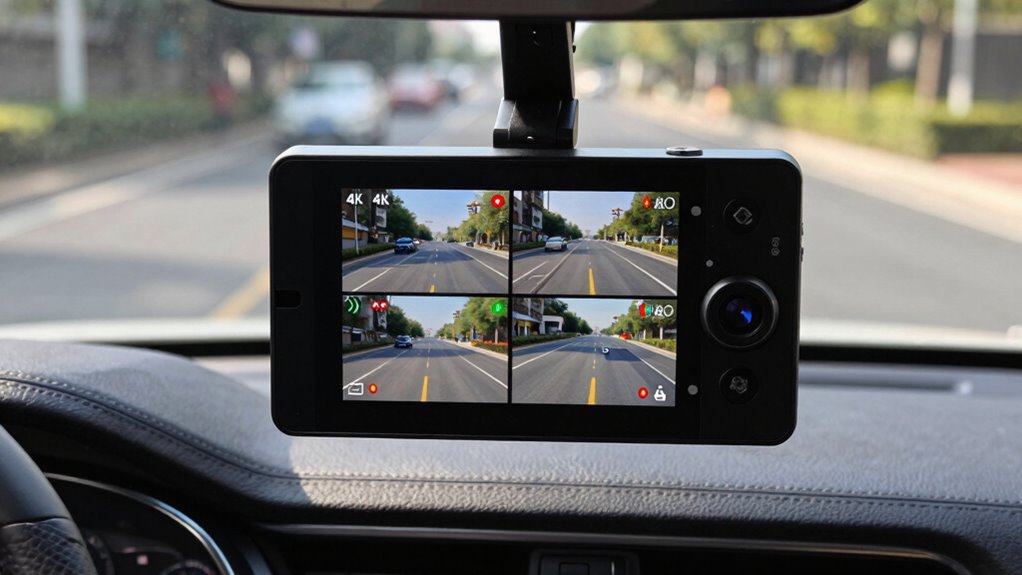

To choose between 4K, rear camera, and parking mode, consider your primary needs. If clear footage for documentation matters most, go for 4K but watch out for storage and power demands. For reversing and parking safety, a rear camera with wide-angle and night vision is ideal. If you want added security when parked, opt for parking mode with motion or impact detection. Balancing these factors helps you pick the right setup; explore more to find your best fit.

Get travel and outdoor gear delivered free with Prime
- Fast, free delivery on millions of items
- Prime Video, Amazon Music and more included
- Member-only deals all year
Key Takeaways
- Assess your primary need: incident documentation, reversing safety, or parking security.
- Consider vehicle compatibility and installation complexity for each feature.
- Evaluate storage and power requirements based on higher resolution and additional features.
- Prioritize features that align with your driving habits and parking environment.
- Research system integration options to ensure seamless operation without guesswork.
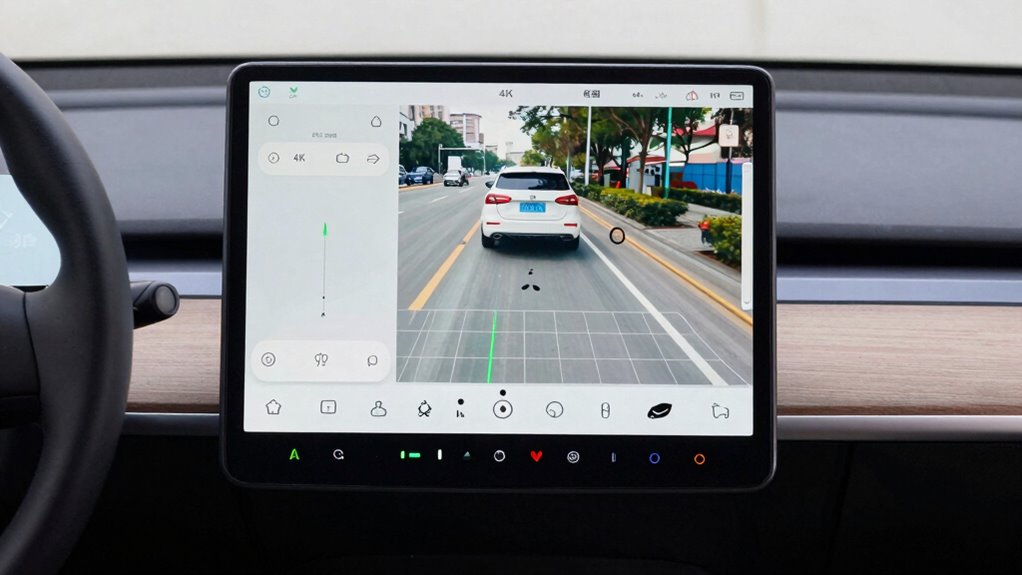
Are you unsure which camera features are most important for your vehicle? Making the right choice can seem overwhelming, especially with options like 4K, rear cameras, and parking modes. To navigate this effectively, you need to focus on what matters most for your driving habits and vehicle use. First, consider the importance of video quality. If capturing clear, crisp footage is your priority, a 4K camera offers the highest resolution. It provides detailed images, which can be invaluable if you need to document an incident or want the best visual clarity. However, keep in mind that higher video quality often requires more storage space and a more robust power supply, making installation considerations essential. Some vehicles might need extra wiring, mounting brackets, or specific power sources to support a 4K camera properly. Assess whether your vehicle’s setup can accommodate these demands without complicating the installation process. Additionally, understanding video resolution standards can help you choose the best option for your needs.
Prioritize video quality if capturing clear footage is essential, but consider installation and storage requirements for higher resolutions.
If your main concern is reversing or parking safety, a rear camera becomes indispensable. Rear cameras are designed specifically to improve your visibility behind the vehicle, helping you avoid obstacles or pedestrians. They’re generally easier to install, often integrating seamlessly into existing systems or mounting on the license plate area. When choosing a rear camera, look for models with wide-angle lenses to maximize the field of view. You might also want to consider additional features like night vision or waterproofing, especially if you frequently park in poorly lit or wet environments. The installation process for rear cameras is usually straightforward, but it’s still important to verify that your vehicle’s design supports easy wiring and mounting techniques. In addition, selecting a camera with advanced image processing can enhance clarity in difficult lighting conditions. Furthermore, understanding the power requirements for different camera types ensures you select a compatible system that won’t strain your vehicle’s electrical system.
Parking mode is a different feature that offers added security when your vehicle is parked. It activates the camera system to monitor your surroundings, often in combination with motion detection or impact sensors. If you park frequently in public areas or want extra peace of mind, parking mode can be invaluable. When selecting cameras with parking mode, check how the system integrates with your existing setup, and whether it requires additional hardware like a hardwire kit or a dedicated power source. Installation considerations become essential here, as a proper setup will ensure reliable operation without draining your vehicle’s battery or causing system conflicts.
As an affiliate, we earn on qualifying purchases.
Frequently Asked Questions
How Does Storage Capacity Affect Camera Performance?
Storage capacity directly impacts your camera’s performance by influencing video compression and storage longevity. With limited space, the camera may reduce video quality or lower frame rates to save storage, which can affect clarity. Ample storage allows you to record at higher quality settings, like 4K, and keep footage longer without overwriting. Proper storage guarantees your camera operates smoothly, maintains ideal video compression, and preserves footage for as long as you need.
Can I Upgrade My Existing Camera System to 4K?
Yes, you can upgrade your existing camera system to 4K, but first, picture your setup as a puzzle—each piece must fit perfectly. Check your system compatibility, ensuring your recorder supports higher camera resolution. Upgrading involves replacing or adding 4K cameras and possibly upgrading storage. This upgrade sharpens every detail, turning your footage into a crystal-clear view of your surroundings, making it easier to identify objects and incidents.
What Are the Power Requirements for Parking Mode Cameras?
Parking mode cameras typically need a constant power source, drawing power through your vehicle’s electrical system. They usually have low power consumption, but this can impact your battery over time if the engine isn’t running. To avoid draining your battery, consider a hardwiring kit with a low-voltage cutoff or a dedicated power supply. Check your camera’s specifications for exact power requirements and confirm your vehicle’s electrical system can handle the load.
Are Rear Cameras Compatible With All Vehicle Models?
Rear cameras are like puzzle pieces—some fit seamlessly, others need adjustment. You must check vehicle compatibility before camera installation, as not all rear cameras work with every model. To guarantee a smooth fit, review your vehicle’s specifications and consult your camera’s compatibility list. This way, you avoid surprises and enjoy clear, reliable footage, making your parking and reversing safer and more confident.
How Does Lighting Impact Camera Clarity and Effectiveness?
Lighting conditions considerably impact your camera’s clarity and effectiveness. Poor lighting, like at night or in shadows, can reduce image sharpness and detail. To combat this, look for cameras with advanced image enhancement features such as infrared or low-light sensors. These technologies help improve visibility in low-light scenarios, ensuring you get clear, reliable footage regardless of lighting conditions, and making your camera more effective overall.
rear view backup camera with wide-angle lens
As an affiliate, we earn on qualifying purchases.
As an affiliate, we earn on qualifying purchases.
Conclusion
Ultimately, choosing the right camera depends on your specific needs and driving habits. For instance, if you frequently park in tight spots, parking mode offers valuable security. A rear camera enhances safety during reversing, while 4K provides crystal-clear footage for detailed evidence. Imagine a driver who experienced a hit-and-run; with a 4K camera, they captured vital details that helped authorities identify the culprit. Select wisely, and you’ll enjoy peace of mind on every journey.
parking mode security camera for cars
As an affiliate, we earn on qualifying purchases.
As an affiliate, we earn on qualifying purchases.
car camera with night vision and motion detection
As an affiliate, we earn on qualifying purchases.
As an affiliate, we earn on qualifying purchases.
Halloween Picks
halloween
As an affiliate, we earn on qualifying purchases.