To back into a campsite without conflict, plan your approach carefully and communicate with fellow campers beforehand. Use your mirrors, signals, and slow, steady movements to make precise adjustments. Respect space boundaries, navigate natural features, and be patient if obstacles arise. Keep everyone informed and attentive to signals to foster cooperation. If you stick to these tips, you’ll find backing in smoother—and more conflict-free. Keep exploring for more helpful strategies to master campsite parking.
Get ready for Prime Big Deal Days — try Prime free
Exclusive member deals on October 6–7, plus fast free delivery. Cancel anytime.
As an affiliate, we earn on qualifying purchases.
Key Takeaways
- Communicate your intentions clearly with fellow campers using signals or eye contact before beginning to back in.
- Study the campsite layout in advance to identify obstacles and plan your approach carefully.
- Use small, controlled movements with mirrors and sensors to ensure precise positioning and avoid conflicts.
- Respect shared spaces and maintain patience, allowing others to pass or adjust if needed.
- Follow campground etiquette and signage, and seek assistance if unsure to prevent misunderstandings or disputes.
As an affiliate, we earn on qualifying purchases.
Why Proper Back-In Parking Ensures Safety and Courtesy
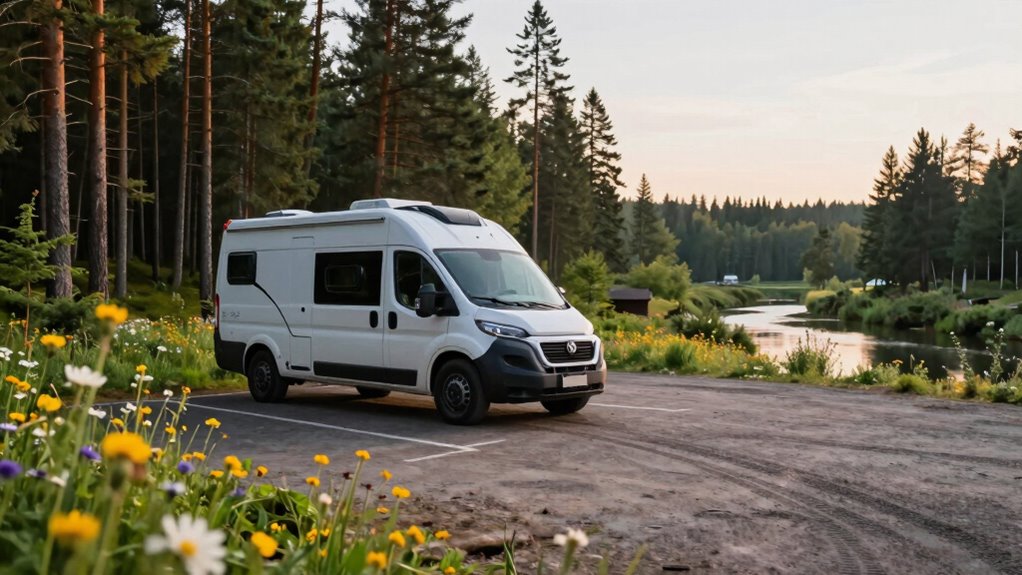
Back-in parking is more than just a skill—it’s a essential safety measure and a courtesy to others at the campsite. Good parking etiquette involves taking your time to align your vehicle properly, ensuring it’s centered within your space. Proper vehicle alignment prevents accidents and makes it easier to exit later. When you back in carefully, you reduce the risk of hitting nearby vehicles or equipment. It also allows for better visibility when leaving, keeping everyone safer. Respectful parking shows consideration for fellow campers, making the shared space more enjoyable for everyone. By mastering back-in parking, you demonstrate responsibility and awareness, which fosters a respectful environment. Properly aligning your vehicle is similar to transaction monitoring/security, as both require careful attention and technique for the best results. Ultimately, proper parking isn’t just about convenience—it’s about safety and being considerate of others around you.
As an affiliate, we earn on qualifying purchases.
Reading Campsite Layouts to Find the Best Spot
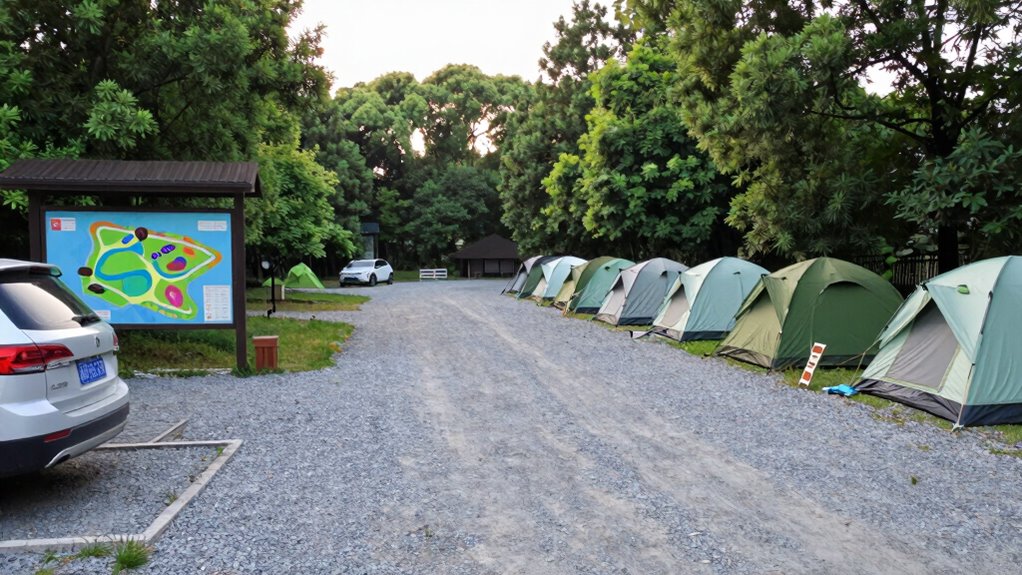
When choosing the right parking spot at a campsite, understanding how to read the layout can make the process smoother and more enjoyable. Look for signs and symbols that indicate designated parking areas, fire pits, and shared spaces. Pay attention to campground etiquette by respecting space boundaries and avoiding spots too close to others or natural features. Use parking lot navigation skills to identify the most accessible and level spot, ideally one that offers enough room for backing in comfortably. Observe the flow of traffic and entry points to plan your approach. Spotting a suitable location ahead of time helps you avoid unnecessary maneuvering and minimizes the risk of conflicts. Reading campsite layouts carefully guarantees a respectful, efficient, and stress-free parking experience. Additionally, being aware of campground signage can provide crucial information to help you select the best spot. Recognizing natural features in the layout can also help you choose a location that minimizes environmental impact and preserves the natural beauty of the area. Incorporating layout understanding can further enhance your ability to find an optimal parking spot with minimal hassle.
As an affiliate, we earn on qualifying purchases.
Step-by-Step Techniques for Backing Into Campsites

To successfully back into a campsite, you need to approach the process methodically and stay calm. Start by positioning your vehicle so you have enough space to reverse comfortably. Use your parking sensors to detect obstacles and guide you as you back up slowly. Adjust your mirrors to get a clear view of the sides and rear of your vehicle, minimizing blind spots. Turn your steering wheel gradually in the direction of the parking spot, checking your mirrors and sensors frequently. Make small adjustments as needed, moving forward and backward in short bursts. Keep your speed slow and steady, trusting your sensors and mirror adjustments to guide you. Staying patient and focused guarantees a smooth, safe backing-in maneuver without surprises. Incorporating precision parking techniques can further improve your accuracy and confidence during the process. Practicing these skills regularly can help you build parking confidence, making the experience more intuitive and less stressful.
As an affiliate, we earn on qualifying purchases.
Communicating Clearly With Fellow Campers During the Maneuver
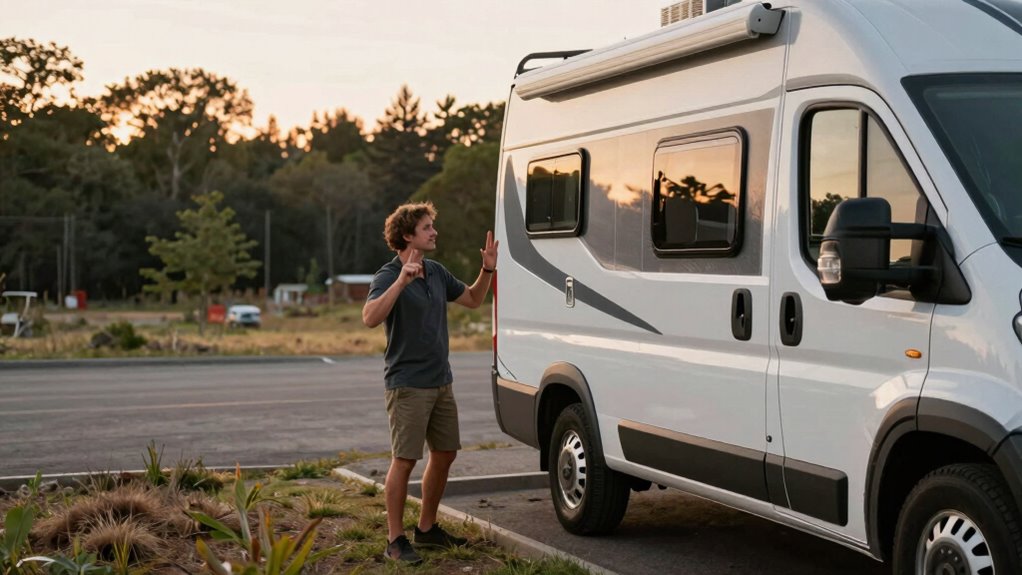
Effective communication with fellow campers is essential to guarantee your backing maneuver goes smoothly and safely. Follow campground etiquette by using clear, respectful signals, like eye contact or hand gestures, to alert others of your intentions. Before starting, briefly inform nearby campers of your plan to back in, especially if your maneuver might impact their space. Use parking signals, such as flashing lights or waving, to indicate when you’re about to begin or need extra space. Keep a steady line of communication to prevent misunderstandings or surprises. Staying aware of your surroundings and politely signaling your movements helps build a cooperative atmosphere. Additionally, understanding campground etiquette can help foster a respectful environment during your maneuver. Incorporating landscaping awareness can also improve your spatial judgment and avoid unnecessary conflicts. Being mindful of water features and their placement can further prevent accidental damage or discomfort for others.
Troubleshooting Common Back-In Challenges and Avoiding Conflicts
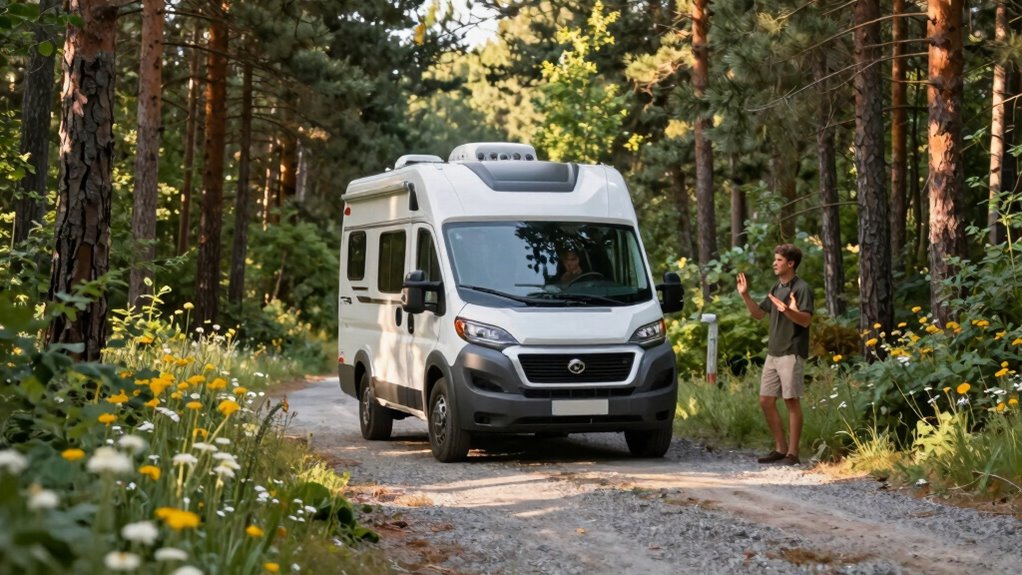
Back-in challenges are common, but many can be avoided with proper strategies and awareness. To prevent conflicts, always respect campground etiquette and parking lot rules. First, study the site layout beforehand to identify obstacles and plan your approach. Second, communicate with fellow campers if your maneuver affects shared spaces, demonstrating courtesy. Third, be patient and precise, avoiding rushed movements that could cause accidents or frustrations. Remember, proper parking etiquette and awareness of parking lot rules help maintain harmony. If you encounter difficulties, consider asking for assistance rather than forcing the maneuver. Keeping a calm, respectful attitude minimizes conflicts and ensures everyone enjoys a stress-free camping experience. Clear planning and respectful conduct are key to troubleshooting back-in challenges smoothly. Additionally, practicing airless paint spraying techniques can improve your overall confidence and control in tight spaces. Being familiar with parking lot rules and etiquette can also help you anticipate and adapt to various situations, reducing the likelihood of conflicts.
Frequently Asked Questions
What Equipment Can Help Make Backing Into a Campsite Easier?
You can make backing into a campsite easier with parking sensors and backup cameras. Parking sensors alert you to obstacles, giving you a better sense of space, while backup cameras provide a clear view behind your vehicle. Together, these tools help you maneuver precisely, reducing stress and preventing accidents. Using them, you’ll find it simpler to align your vehicle correctly, making campsite parking quicker, safer, and more enjoyable.
How Do Weather Conditions Affect Back-In Parking Safety?
Weather hazards and visibility concerns can subtly challenge your back-in parking. Rain, fog, or snow may obscure your view, making it trickier to judge distances and angles, so take your time. Wind can gently sway your vehicle, requiring extra focus. Always check weather conditions beforehand, use mirrors and backup cameras wisely, and proceed slowly. Patience and caution guarantee your safety, even when weather tries to nudge you off course.
Are There Specific Campsite Features to Avoid When Backing In?
You should avoid campsites with uneven terrain, loose gravel, or large roots, as these make backing in tricky and risk damage. Steer clear of spots with dense vegetation or low-hanging branches that can snag your vehicle. Also, stay away from areas prone to wildlife interference, like near animal trails or nests, since animals might surprise you or cause damage. Choose a flat, open site for safer, easier backing.
How Can I Practice Backing Into a Campsite Safely?
Think of backing into a campsite like perfecting your dance moves. You practice in open spaces, focusing on vehicle alignment and smooth steering. Prioritize parking etiquette by checking surroundings and using mirrors. Start with wide, easy spots, gradually challenging yourself with tighter spaces. The more you practice, the more instinctive your movements become, helping you back in safely and confidently, making campsite parking a seamless part of your outdoor adventure.
What Are Common Mistakes to Prevent During Back-In Parking?
To prevent common mistakes during back-in parking, focus on proper parking techniques and stay aware of your surroundings. Keep your eyes on your mirrors and use guide signals if available. Avoid rushing, which can lead to oversteering or hitting obstacles. Maintain a slow, controlled approach, and always check for other campers or obstacles. Your driver awareness helps you make precise adjustments, ensuring a smooth, safe parking experience without conflicts.
Conclusion
Remember, a smooth back-in parking job keeps everyone happy and safe. As the saying goes, “A stitch in time saves nine.” Take your time, communicate clearly, and plan your move carefully. By mastering these techniques, you’ll avoid conflicts and make camping more enjoyable for everyone. With patience and practice, backing into a campsite becomes second nature—turning a potentially stressful situation into a simple, courteous routine that sets the tone for a great trip.
Fall Picks
fall essentials
As an affiliate, we earn on qualifying purchases.