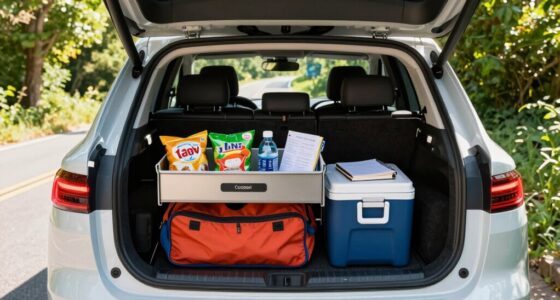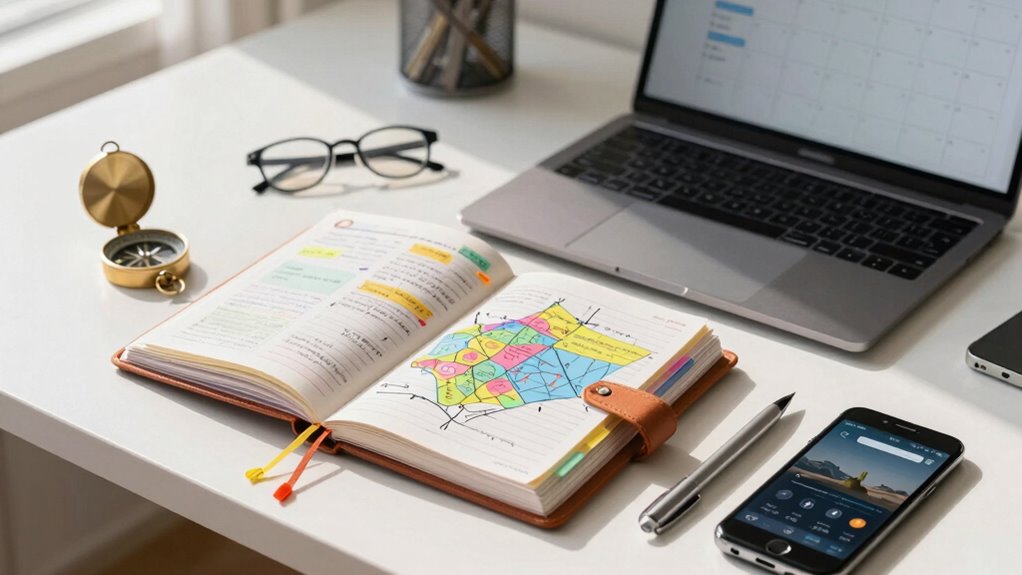
To build a flexible itinerary without chaos, start by prioritizing must-see sights and scheduling them early with room for spontaneous adjustments. Allocate specific time slots but leave some open for discoveries or delays. Use technology like travel apps for real-time updates, and prepare backup plans for unforeseen closures or changes. Keep a positive attitude, stay organized, and balance structure with spontaneity. Want to discover more tips to stay organized while embracing surprises? Keep exploring!

Get travel and outdoor gear delivered free with Prime
- Fast, free delivery on millions of items
- Prime Video, Amazon Music and more included
- Member-only deals all year
Key Takeaways
- Prioritize must-see attractions early and leave buffer time for spontaneous discoveries or delays.
- Incorporate backup plans and nearby alternatives to adapt quickly to unexpected changes.
- Use travel apps and real-time updates to make informed decisions and adjust plans on the go.
- Balance scheduled activities with free time to explore or relax without feeling rushed.
- Maintain a positive attitude and flexibility to embrace surprises and prevent stress.
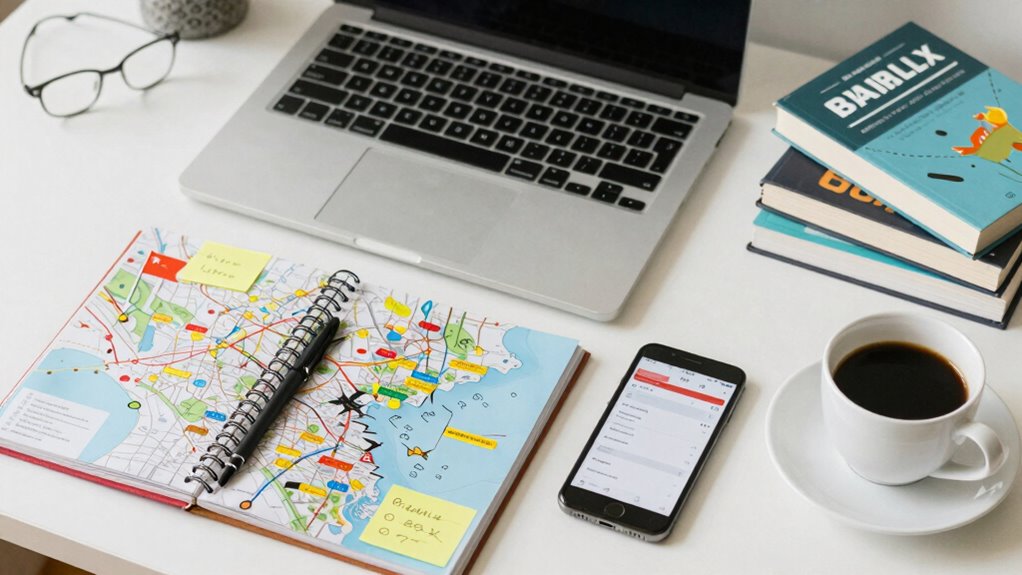
Planning a trip can feel overwhelming, especially when you want to stay flexible without turning your itinerary into chaos. The key is finding a balance between having a plan and leaving room for spontaneous adventures. To do this effectively, you need good time management skills. Allocate specific time slots for the must-see sights, but don’t pack your day so tightly that there’s no room for delays or unexpected discoveries. For example, schedule your main activities but keep a flexible window afterward to explore nearby cafes or wander through neighborhoods. This approach helps you stay organized without feeling rushed or stressed. Incorporating contingency planning into your itinerary ensures you’re prepared for unexpected changes and can adapt smoothly.
Balance planned activities with free time for spontaneous adventures and unexpected discoveries.
Contingency planning is equally important. Life on the road is unpredictable—weather changes, attractions close unexpectedly, or you simply stumble upon something more interesting than your original plan. Anticipate these moments by having backup options ready. If a popular museum is closed, know which other sites you can visit instead. If your transportation gets delayed, have a list of nearby cafes or parks where you can relax without losing valuable sightseeing time. Keeping these backup plans in mind means you won’t panic or feel like your entire day is ruined when things don’t go as planned. Additionally, understanding good time management techniques can help you make the most of your day and reduce stress during unexpected changes. Being aware of local customs can also aid in smoother interactions and help you adapt quickly to different environments.
Another way to maintain flexibility is to prioritize your activities. Identify your must-see landmarks or experiences and schedule those first. Once those are secured, leave the rest of your day open for spontaneous exploration. This way, you won’t feel guilty if you decide to linger longer at a charming market or skip a planned activity for something more appealing. Remember, a flexible itinerary isn’t about abandoning plans but about shifting your focus smoothly when opportunities arise or setbacks occur.
Utilize technology to support your flexibility. Travel apps and maps can help you adjust plans on the fly. Use real-time updates to check for opening hours, transportation delays, or new events happening nearby. Having this information at your fingertips allows you to make quick decisions without stress. It also helps you stay on track with your time management, ensuring you get the most out of your day without feeling overwhelmed.
In the end, building a flexible itinerary is about planning smartly and staying adaptable. With good time management, contingency planning, and a positive attitude, you can enjoy your trip without chaos, embracing the surprises that make travel memorable.
As an affiliate, we earn on qualifying purchases.
Frequently Asked Questions
How Do I Prioritize Activities During My Trip?
You prioritize activities during your trip by focusing on effective time management and thoughtful activity selection. Start by listing must-see sights and activities, then rank them based on importance and how much time they require. Be flexible, allowing extra time for spontaneous adventures. Balance busy days with downtime, ensuring you stay energized. This approach helps you enjoy your trip without feeling overwhelmed, making your experience both fun and manageable.
What Tools Can Help Me Stay Organized?
You can stay organized with travel apps like TripIt or Google Trips, which help keep your itinerary, reservations, and activities in one place. Use packing list apps or templates to guarantee you don’t forget essentials. These tools make it easy to update plans on the go, adapt to changes, and maintain a clear overview, so your trip stays smooth and stress-free without chaos.
How Much Should I Plan in Advance?
You should plan just enough in advance to cover your travel budget and packing essentials, but leave flexibility for spontaneity. Aim to book key accommodations and activities a few weeks ahead, ensuring you don’t miss out. Keep your packing essentials ready early, so you’re not rushed. This balance lets you stay organized without over-scheduling, allowing room for surprises and adjustments during your trip.
How Do I Handle Unexpected Schedule Changes?
When unexpected schedule changes happen, embrace spontaneity, adapt quickly, and keep your mindset flexible. You can handle surprises by staying open to spontaneous adventures, adjusting your plans with ease, and having contingency planning ready. Reframe disruptions as opportunities for new experiences, communicate clearly with others involved, and prioritize your must-see sights. This approach keeps your trip enjoyable, stress-free, and full of memorable moments despite the inevitable surprises.
What Are Tips for Balancing Relaxation and Exploration?
To balance relaxation and exploration, prioritize cultural immersion by scheduling downtime to enjoy local cuisine and leisurely strolls. Mix active days with restful breaks, ensuring you don’t feel overwhelmed. Use your flexible itinerary to include spontaneous discoveries, like visiting a local market or savoring a traditional dish. This approach helps you stay relaxed while exploring deeply, making your trip meaningful without burnout.
As an affiliate, we earn on qualifying purchases.
Conclusion
Remember, a plan is just a map, not the territory. Stay flexible, adapt as you go, and don’t be afraid to deviate from your original route. Keep a loose schedule, but leave room for spontaneity—it’s often where the best adventures happen. When you embrace change, you’ll find that chaos turns into opportunity. So, stay open-minded, trust your instincts, and enjoy the journey—after all, the best stories come from unexpected detours.
As an affiliate, we earn on qualifying purchases.
As an affiliate, we earn on qualifying purchases.
Halloween Picks
halloween
As an affiliate, we earn on qualifying purchases.