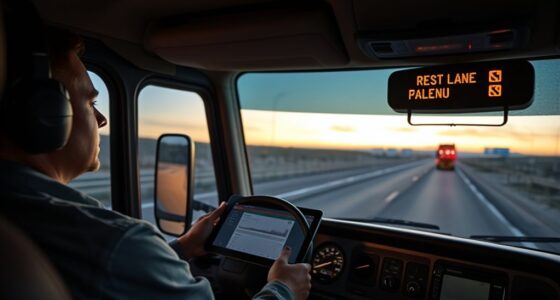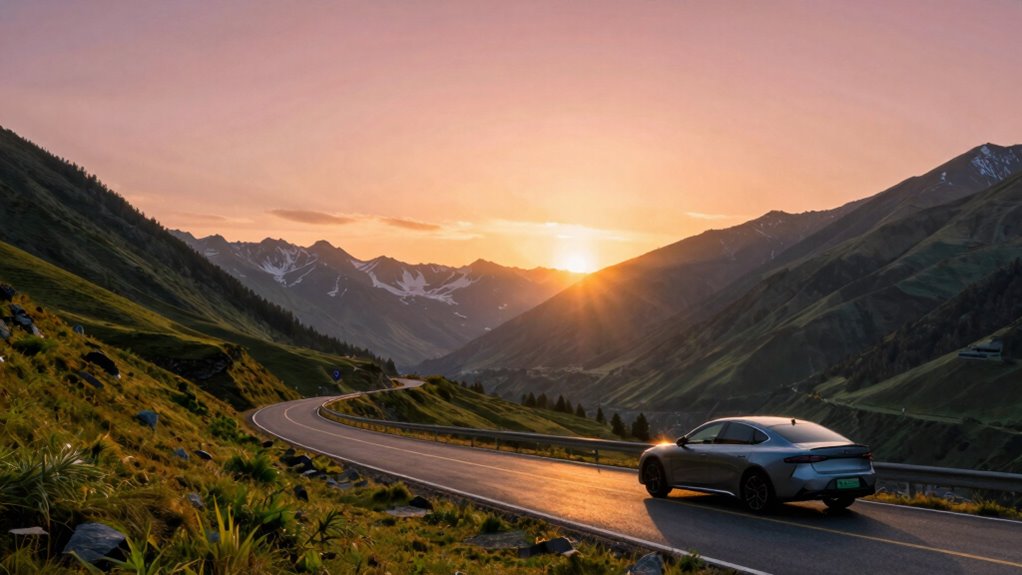

To plan around sunrise and sunset for better driving and photos, check local sunrise and sunset times beforehand. Arrive early to catch the golden hours when natural light is soft and diffused, perfect for photography and scenic views. Move during off-peak traffic hours for a smoother, safer drive and to explore different vantage points. Keep an eye on weather forecasts and be flexible with your schedule to maximize the beauty of natural light and enjoy a more relaxed experience. For more tips, stay tuned.

Get travel and outdoor gear delivered free with Prime
- Fast, free delivery on millions of items
- Prime Video, Amazon Music and more included
- Member-only deals all year
Key Takeaways
- Arrive early to capture the golden hour’s soft, diffused light for optimal photography and scenic views.
- Schedule drives during sunrise or sunset to avoid traffic and enjoy smoother, safer routes.
- Use weather forecasts to anticipate light quality and adjust plans for clear, picturesque conditions.
- Choose scenic viewpoints aligned with natural light for dramatic photography and enhanced scenery.
- Be flexible with timing to adapt to changing weather and light conditions, ensuring safety and photo opportunities.
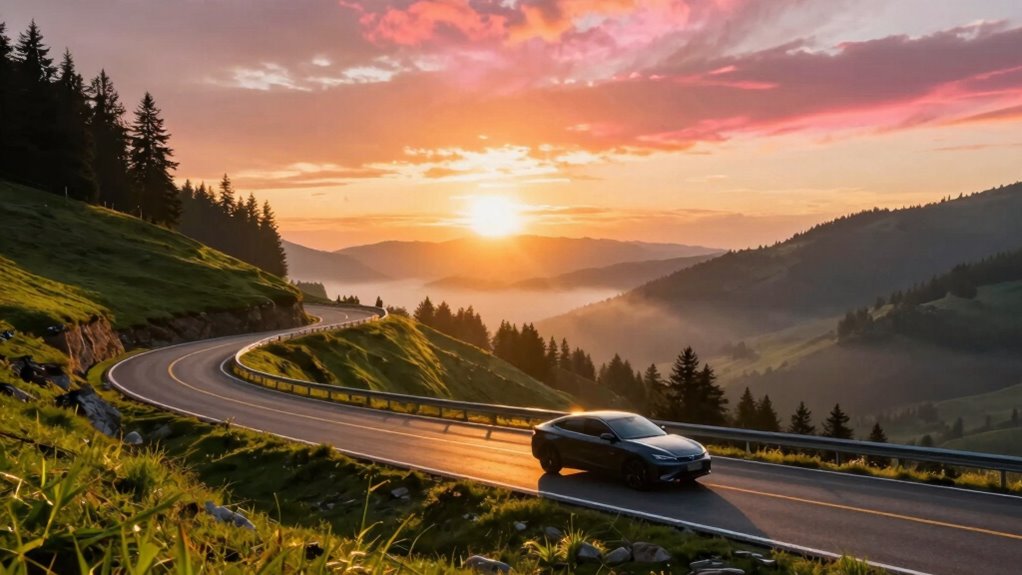
Planning your activities around sunrise and sunset can considerably enhance your experience, whether you’re capturing stunning photos or simply enjoying nature’s beauty. When you time your outings correctly, you’ll find that light conditions are at their most dramatic, creating perfect conditions for photography or a peaceful drive. One of the key factors to weigh is traffic patterns. During early mornings and late evenings, traffic tends to be lighter, especially on less busy routes. This lighter traffic makes for a smoother, less stressful drive and allows you to focus on the scenery or the shot you’re trying to capture. Knowing when rush hours occur in your area helps you avoid congested roads, giving you more flexibility to explore different vantage points or find the ideal spot to watch the sunset.
As the sun begins to rise or set, the lighting changes rapidly, bathing the landscape in warm, golden hues that are perfect for photography. These golden hours, typically just after sunrise and just before sunset, offer soft, diffused light that minimizes harsh shadows and highlights. If you’re planning to take photos, it’s best to arrive at your chosen location early, so you’re ready when the light hits its prime. Keep in mind that these light conditions don’t last long; they shift quickly, so a bit of preparation goes a long way in capturing that perfect shot. If you’re on a drive, knowing the timing of sunrise and sunset can help you select scenic routes or viewpoints where the light enhances the scenery, making your journey more memorable. Additionally, marine equipment such as GPS devices or weather tools can assist in monitoring changing weather conditions, further improving your planning. Being aware of natural lighting patterns can help you anticipate how the environment will look at different times of day, adding to your overall experience. It’s also beneficial to consider traffic flow patterns, as they can vary based on the time of day and weather, impacting both safety and enjoyment. Planning around these lighting conditions can also help you adapt your plans in case of unexpected weather changes, ensuring you make the most of the moment. Moreover, understanding how weather patterns influence light and traffic can help you optimize your timing for both safety and visual impact.
Timing your activities around these periods also encourages you to be flexible with your plans. Weather conditions can influence the quality of light, so checking the forecast can help you decide whether to push your plans forward or delay them slightly. Weather can also affect traffic patterns—bad weather can slow down traffic, but clear, calm mornings tend to be less congested. If you’re aiming for the best visuals or a relaxed drive, plan your start times accordingly. Remember, the early morning light often reveals details hidden during the day, and at dusk, you can enjoy tranquil surroundings with fewer people around. By aligning your schedule with these natural cycles, you maximize your chances of experiencing the serenity and beauty that sunrise and sunset bring, all while avoiding hassle and making the most of light conditions for photography or driving.
As an affiliate, we earn on qualifying purchases.
Frequently Asked Questions
What Is the Best Time for Golden Hour Photography?
The best time for golden hour photography is during the hour after sunrise or before sunset when the light quality is soft and warm. You should plan your shoot around these periods to capture the magical glow that adds depth and richness to your photos. Keep in mind that the exact timing varies with location and season, so check local sunrise and sunset times for ideal results.
How Do Weather Conditions Affect Sunrise and Sunset Planning?
Weather conditions, like cloud cover and temperature fluctuations, considerably impact your sunrise and sunset plans. Clouds can enhance colors by reflecting sunlight, creating stunning photos, but too much cloud cover might block the sun altogether. Temperature fluctuations can cause fog or mist, adding mood but reducing visibility. Check weather forecasts, aim for partly cloudy skies, and plan your timing early to maximize the golden hour, ensuring better driving conditions and picture quality.
Can I Use Apps to Track Sun Positions Accurately?
Yes, you can use apps to track sun positions accurately. Many apps provide real-time sun position data, helping you plan your drives and photos. Look for apps with high accuracy ratings, as they use your location to calculate precise sunrise, sunset, and sun angle times. These tools make it easier to schedule your outings around ideal lighting conditions, ensuring you capture stunning photos or enjoy safer driving during golden hours.
What Gear Is Essential for Capturing Sunrise and Sunset Photos?
You need a good camera with manual settings to capture stunning sunrise and sunset photos. A tripod is essential for stability, preventing blur during long exposures. Use a wide-angle lens to capture more sky, and bring extra batteries—light conditions change fast. Adjust camera settings like aperture, ISO, and shutter speed to suit the scene. With these essentials, you’ll beautifully freeze those fleeting colors in the sky.
How Should I Adjust My Driving Schedule for Optimal Lighting?
You should adjust your driving schedule by avoiding peak traffic times during sunrise and sunset, typically early mornings and late evenings, to guarantee smoother drives and better safety. Plan your trips around these times, considering traffic patterns to minimize delays. Always prioritize road safety by staying alert, especially in low-light conditions, and keep your headlights on. This way, you enjoy ideal lighting for photos and safer, more efficient driving.
solar-powered weather forecast station
As an affiliate, we earn on qualifying purchases.
As an affiliate, we earn on qualifying purchases.
Conclusion
Timing your drives and photos around sunrise and sunset can dramatically improve your experience and results. Did you know that during golden hour, the light is softer and more flattering, making your photos stand out? By planning ahead, you avoid harsh midday light and traffic, ensuring safer, more enjoyable journeys and stunning images. So next time you hit the road or shoot, remember—embrace those magical moments at dawn and dusk for the best results.
camera for sunrise and sunset photography
As an affiliate, we earn on qualifying purchases.
As an affiliate, we earn on qualifying purchases.
car mount for smartphone with GPS
As an affiliate, we earn on qualifying purchases.
As an affiliate, we earn on qualifying purchases.
Fall Picks
fall essentials
As an affiliate, we earn on qualifying purchases.