Traveling off-season during winter and spring lets you enjoy less crowded destinations, better deals, and more relaxed experiences. However, you also face challenges like unpredictable weather, road conditions, and limited operating hours at attractions. Preparing with proper clothing, vehicle maintenance, and flexible plans helps you stay safe and comfortable. Want to discover more tips to make your off-season road trip enjoyable and stress-free? Keep exploring for practical advice to optimize your adventure.
Key Takeaways
- Traveling off-season offers fewer crowds, shorter lines, and better deals but may involve limited hours and unpredictable weather.
- Proper packing for winter or spring weather ensures safety, comfort, and preparedness for changing conditions.
- Planning ahead by researching destinations and booking accommodations minimizes disruptions during off-season trips.
- Winter road trips require vehicle checks and emergency kits; spring trips demand weather monitoring for safe driving.
- Off-season travel provides a more intimate experience but may involve closures or reduced services at popular attractions.

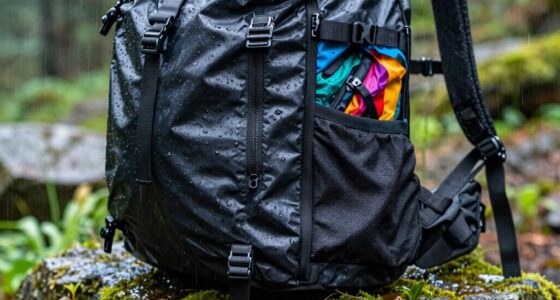
Traveling during the off-season can be a rewarding experience, especially in winter and spring when popular destinations are less crowded. You’ll enjoy more relaxed sightseeing, shorter lines, and often better deals on accommodations and activities. But before you hit the road, it’s vital to prepare properly. One key aspect is seasonal packing. Since weather conditions vary greatly in winter and spring, you need to pack accordingly. For winter trips, bring layered clothing, waterproof gear, and sturdy footwear to handle snow, ice, or rain. Spring can be unpredictable, so pack lighter layers, rain jackets, and comfortable shoes for outdoor exploration. Being prepared with the right clothing guarantees you stay comfortable and safe, no matter the weather.
Travel off-season with proper clothing for winter and spring weather to ensure comfort and safety.
Another essential consideration is travel insurance. Traveling off-season can sometimes mean encountering less predictable weather, road closures, or sudden cancellations. Having all-encompassing travel insurance can give you peace of mind, covering unexpected expenses from delays, medical emergencies, or trip cancellations. It’s wise to review policies carefully, making sure they include coverage for winter-specific issues like snowstorms or spring allergies. Securing good travel insurance before your trip protects your investment and guarantees you’re not left stranded or facing hefty costs if plans change unexpectedly.
Traveling during these months often means fewer crowds, making it easier to explore popular sights at your own pace. However, this can also mean some attractions or restaurants have limited hours or are closed for the season. Planning ahead becomes even more essential. Research your destinations thoroughly, confirm opening hours, and book accommodations and activities in advance when possible. This way, you avoid disappointment and make the most of your trip.
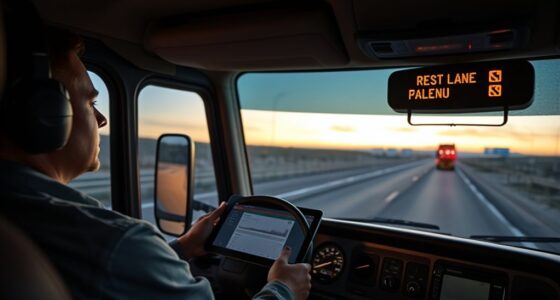
In addition to packing and insurance, you should also consider road trip logistics. Winter driving requires extra caution; check your vehicle’s tires, brakes, and antifreeze levels. Keep an emergency kit handy, including blankets, snacks, and a flashlight, in case you get stranded. Spring driving can be tricky too, with potential for rain or late snowstorms. Always check weather forecasts before setting out and plan for alternative routes if necessary. Road conditions and visibility can change rapidly, so stay alert and adaptable. Proper vehicle maintenance is essential to prevent breakdowns and ensure safety on winter roads.
Ultimately, traveling off-season in winter and spring can be incredibly rewarding if you’re prepared. Focus on seasonal packing to stay comfortable and safe, and invest in travel insurance to protect against unexpected hiccups. With some planning, you’ll enjoy a more intimate, affordable, and memorable trip, free from the crowds that dominate peak seasons.
Frequently Asked Questions
How Do I Ensure Safety During Off-Season Travel?
To stay safe during off-season travel, always check weather forecasts before your trip and be prepared for winter hazards like snow and ice, or spring weather changes such as rain or storms. Keep an emergency kit in your vehicle, drive cautiously, and avoid risky routes during severe conditions. Make sure your vehicle is well-maintained, and share your plans with someone. Staying alert and prepared helps you navigate off-season challenges safely.
Are Off-Season Destinations Less Crowded Than Peak Times?
Yes, off-season destinations usually have lower crowd levels and less tourist density. When you visit during these times, you’ll find fewer people at popular sights, making your experience more relaxed and enjoyable. This means you can explore more comfortably, avoid long lines, and take better photos. Traveling off-season gives you the chance to immerse yourself in local culture without the hustle and bustle of peak times.
What Are the Best Gear Essentials for Winter and Spring Trips?
Think of your gear like a trusty toolbox for winter and spring adventures. You’ll want warm winter clothing like insulated jackets, thermal layers, and waterproof boots. Spring calls for versatile spring accessories such as sunglasses, sun hats, and lightweight rain gear. Pack essentials like a first aid kit, navigation tools, and snacks. Staying prepared keeps you comfortable and safe, turning unpredictable weather into just another part of your exciting journey.
How Can I Find Affordable Accommodations During Off-Peak Seasons?
You can find affordable accommodations during off-peak seasons by looking for seasonal discounts offered by hotels and resorts. Consider booking alternative lodging options like vacation rentals, hostels, or bed and breakfasts, which often have lower prices during these times. Use booking platforms that highlight deals and flexible dates, and stay open to staying slightly outside popular areas for even better rates. This way, you save money while enjoying a more relaxed travel experience.
What Are Common Travel Disruptions in Winter and Spring?
During winter and spring, you might face travel disruptions like winter storms that cause road closures or delays, and spring floods that flood roads and make routes unsafe. You should stay updated on weather forecasts, plan for extra travel time, and consider alternative routes. Keep an emergency kit handy, and be adaptable with your plans to ensure safety and minimize disruptions during these seasons.
Conclusion
Traveling off-season lets you enjoy fewer crowds, lower costs, and a more relaxed pace. Whether you choose winter’s quiet landscapes or spring’s blooming scenery, each season offers unique adventures. Embrace the freedom of flexible schedules, the beauty of peaceful destinations, and the joy of discovering hidden gems. So, pack your bags, hit the road, and savor the serenity, the savings, and the surprises that come with traveling off-season. Your memorable journey awaits—embrace it fully.