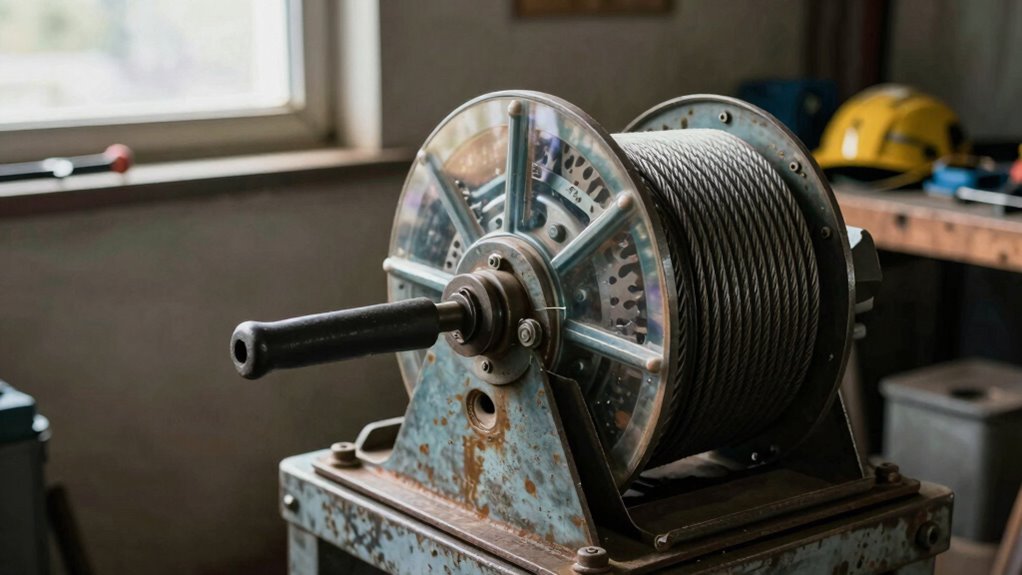

Before operating a winch, you should thoroughly inspect all components, including the wire rope, hook, switch, and motor, to make certain there’s no damage or wear. Plan your safety measures by choosing a secure anchor point and wearing PPE like gloves, helmet, and boots. Check your vehicle and workspace for obstacles, and set clear signals for communication. Confirm everything is in proper condition and secure before starting. Continuing will help you master essential safety tips for confident winching.

Get travel and outdoor gear delivered free — and shop member deals
- Fast, free delivery on millions of items
- Access to Prime Big Deal Days deals on October 6–7
- Prime Video, Amazon Music and more included
Key Takeaways
- Conduct a thorough inspection of the winch, cables, hook, and mounting points for damage or wear.
- Ensure the vehicle and winch area are clear, stable, and properly prepared for operation.
- Verify all safety features and emergency stop mechanisms are functioning correctly.
- Confirm you are wearing appropriate PPE, including gloves, helmet, and steel-toe boots.
- Establish clear communication signals with team members to coordinate safe winching.
As an affiliate, we earn on qualifying purchases.
Inspect Your Winch and Its Components
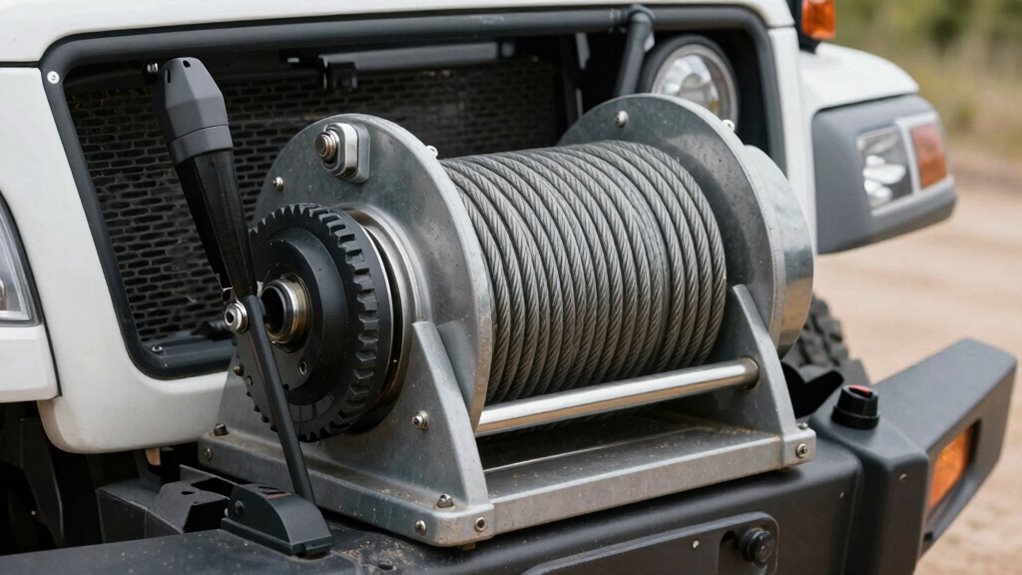
Before using your winch, it’s vital to thoroughly inspect it and all its components. Regular winch maintenance ensures everything functions correctly and helps prevent accidents. Check the wire rope or synthetic line for frays, kinks, or broken strands, and replace if necessary. Inspect the hook, latch, and fairlead for damage or corrosion. Examine the electrical connections and switches for loose wires or corrosion that could hinder performance. During component troubleshooting, confirm the motor operates smoothly without unusual noises or overheating. Make certain the clutch engages properly, and the drum spins freely. Don’t forget to verify the mounting bolts are tight and secure. Proper inspection and maintenance keep your winch reliable and safe, avoiding unexpected failures during vital moments. Proper inspection techniques are essential for ensuring your equipment’s longevity and safe operation. Additionally, regularly checking for signs of corrosion and addressing them promptly can significantly extend the life of your winch. Regularly cleaning and monitoring your equipment for rust or corrosion can help prevent costly repairs and ensure reliable operation. Being aware of regional environmental factors can help you anticipate specific issues like corrosion or wear, especially in coastal or humid areas. Piercings-Body care and hygiene are also important; clean and monitor your equipment regularly to prevent issues.
As an affiliate, we earn on qualifying purchases.
Plan Your Winching Strategy for Safety and Efficiency
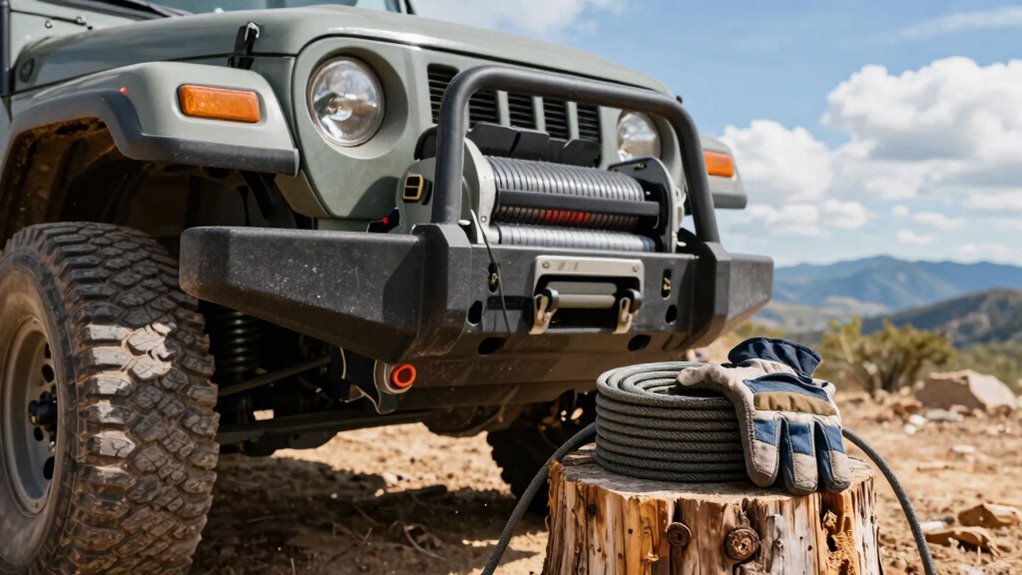
Planning your winching strategy carefully is essential to guarantee both safety and efficiency during the operation. You should assess the load, environment, and potential risks beforehand. Guarantee your winch is properly maintained—check for worn cables, loose connections, and secure mounting. Develop an emergency preparedness plan, including knowing how to stop the winch quickly if needed. Consider these key points:
- Verify the winch’s load capacity and inspect for proper winch maintenance.
- Identify clear escape routes and plan for potential hazards.
- Prepare emergency equipment like gloves, gloves, and communication devices.
- Incorporate water safety practices when working near bodies of water to prevent accidents, especially in environments where household safety measures should be a priority. Ensuring you understand outdoor safety guidelines can significantly reduce risks during winching operations. Additionally, understanding water system components can help you better evaluate environmental factors that might affect your safety during outdoor winching tasks. Being familiar with environmental hazard assessment can further aid in identifying risks specific to your work area.
As an affiliate, we earn on qualifying purchases.
Choose a Safe and Effective Anchor Point
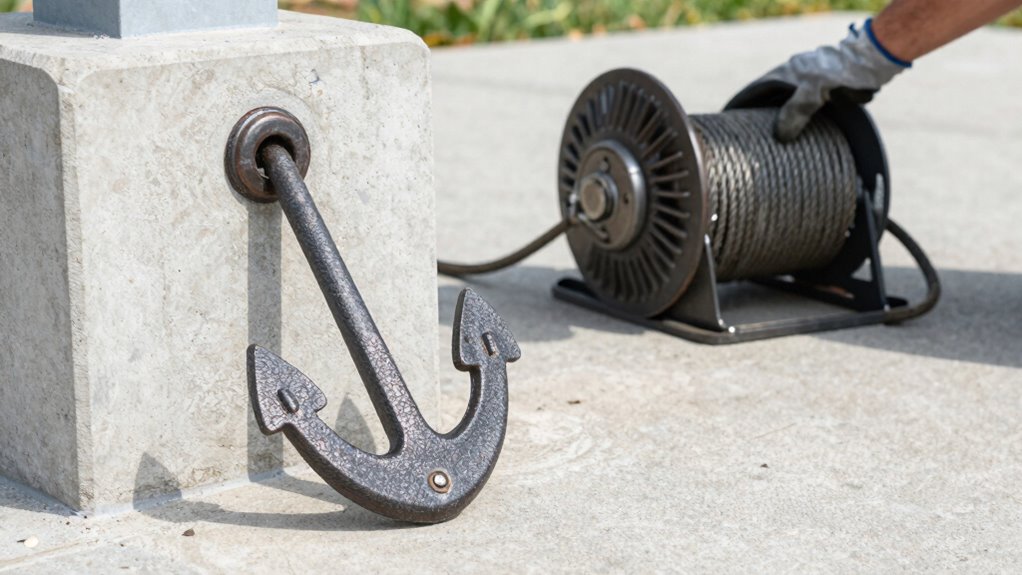
Selecting the right anchor point is vital to guarantee a safe and effective winching operation. Your anchor point should be sturdy, immovable, and able to handle the load without shifting or breaking. During anchor point selection, consider how load distribution will occur; a well-chosen anchor spreads the force evenly, reducing stress on the vehicle and equipment. Avoid weak or unstable objects like trees with loose bark, fence posts, or sagging branches. Instead, look for solid, heavy-duty fixtures such as large, healthy trees or fixed structures. Proper anchor point selection assures your winch’s force is directed safely and efficiently, minimizing risks and maximizing pulling power. Always test the anchor’s stability before applying full tension to prevent accidents. Additionally, considering farmhouse decor trends can inspire ideas for creating durable, rustic anchor points using natural materials like reclaimed wood or sturdy stone structures. Recognizing the importance of energetic alignment can further enhance your confidence in the safety and effectiveness of your setup, as mental clarity and focus contribute to better decision-making during operations. Incorporating landscaping techniques can also help reinforce natural anchor points, making them more reliable and long-lasting. Being aware of Gold IRA markets and understanding the stability of different investment options can help you approach your winching projects with a more strategic mindset, ensuring safety and success. Paying attention to natural materials can also provide more sustainable and weather-resistant options for securing your anchor points.
As an affiliate, we earn on qualifying purchases.
Prepare Your Vehicle and Winch Area
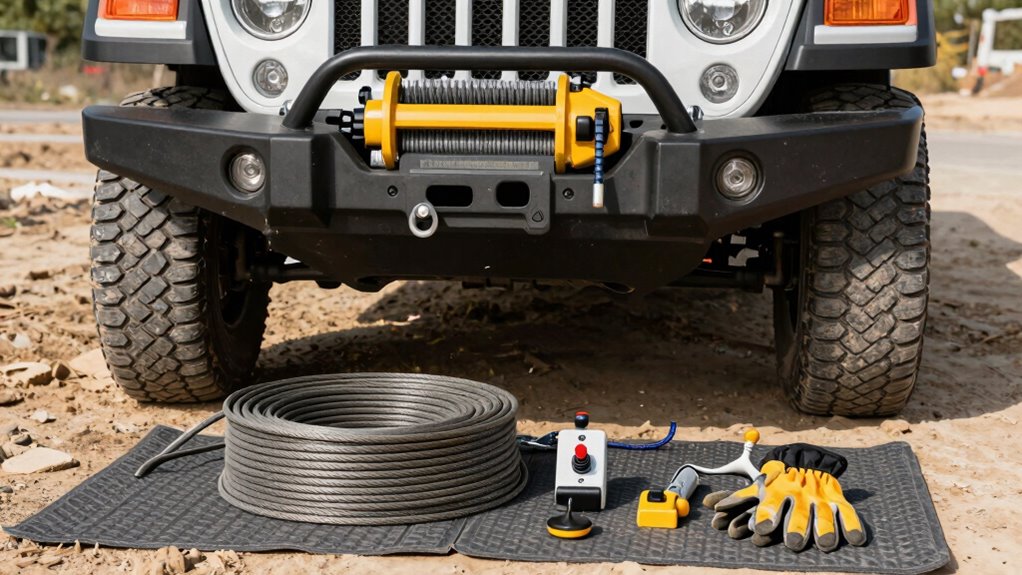
Have you confirmed your vehicle and surrounding area are ready for winching? Proper off-road preparation and vehicle maintenance are essential before you begin. Verify your vehicle is in good condition, with functioning brakes, tires, and a secure battery. Clear the area around your vehicle of any obstacles or loose debris that could interfere during winching. Also, check the winch mounting points for stability and strength. Ensuring your project management support is in place can help coordinate safety procedures effectively. Preparing your vehicle and area reduces risks and ensures a safe winching process. Additionally, inspecting for potential water damage or corrosion on electrical components can prevent equipment failure during operation. Understanding the evolution of arcade games can also inspire creative safety approaches, as many classic games emphasize precision and skill, similar to careful winching techniques. Staying informed about vehicle maintenance best practices can further help prevent unexpected issues during your winching activities.
Gather the Right Safety Gear and Take Precautions
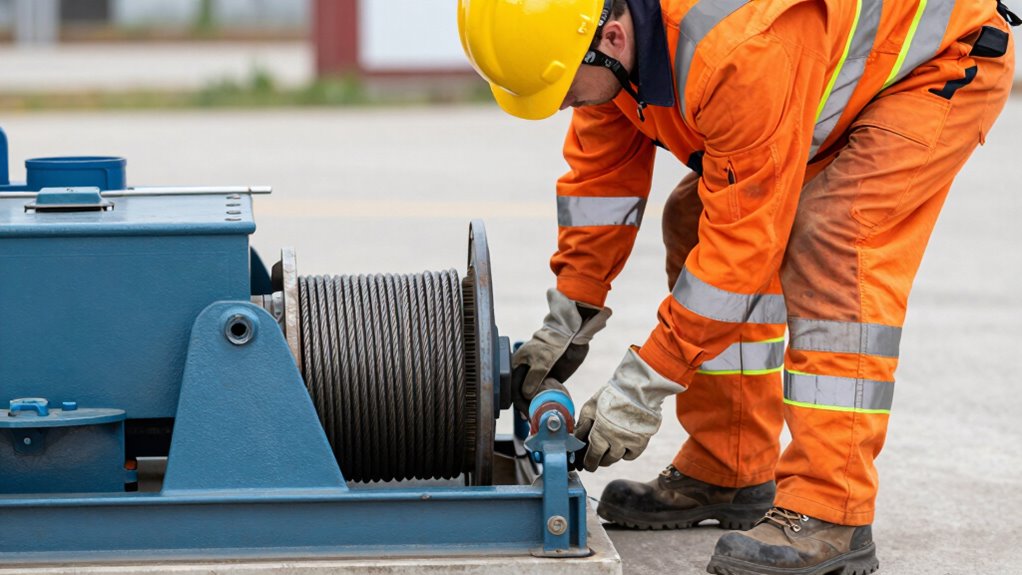
Before operating a winch, you need to gather the right safety gear and take precautions. Make certain you’re wearing proper personal protective equipment, like gloves and eye protection, to stay safe. Always inspect your equipment thoroughly to ensure everything is in good working condition before use. Additionally, understanding the power output of your equipment can help prevent accidents and ensure efficient operation. It’s also important to familiarize yourself with DIY safety guidelines to prevent common hazards during operation. Being aware of work environment factors can further enhance safety during winch use. Incorporating knowledge of sound vibrations and how they can influence safety and health can also be beneficial in ensuring a secure working experience.
Wear Proper Personal Protective Equipment
Wearing proper personal protective equipment (PPE) is vital for guaranteeing your safety when operating a winch. Proper PPE minimizes injury risks from moving parts, sparks, or accidental slips. Make certain you wear protective clothing that covers your arms and legs, preventing cuts or abrasions. Safety gloves are essential for maintaining a firm grip and protecting your hands from sharp edges or pinches. Additionally, consider wearing a helmet to guard against falling objects and steel-toe boots for foot protection. When preparing to operate the winch, verify your PPE is in good condition and fits properly. Remember, safety gear isn’t just a recommendation—it’s your first line of defense against potential hazards. Prioritize your safety by properly outfitting yourself before starting any winch operation. Proper PPE is also a key element of crafting visuals, where selecting the right tools and safety measures ensures a successful and safe outcome.
Inspect Equipment Before Use
Is your equipment ready for safe operation? Before you activate the winch, inspect it thoroughly. Check for signs of wear, corrosion, or damaged parts, as part of proper winch maintenance. Make sure all safety features are in place and functioning correctly. Examine the cable or wire rope for frays, kinks, or broken strands, and replace if necessary. Test the controls and ensure they respond smoothly. Troubleshooting common issues now can prevent accidents later. Confirm the winch is mounted securely and that all bolts or connections are tight. Gather your safety gear—gloves, eye protection, and sturdy footwear—and take precautions. A quick, detailed inspection minimizes risks, guarantees reliable operation, and keeps you safe during winch use.
Perform Pre-Operation Checks Before Starting
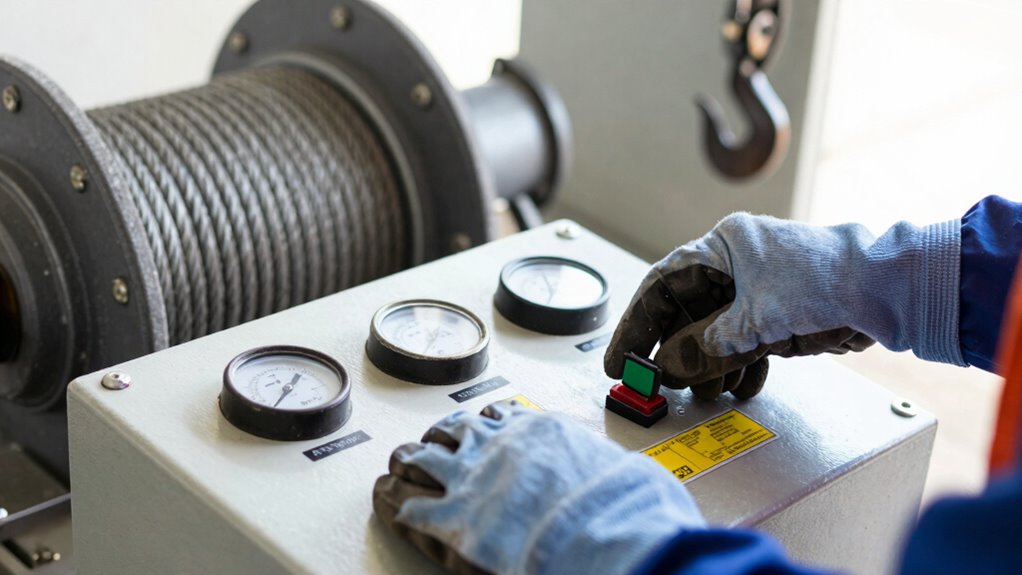
Before you start using the winch, make sure to inspect all components thoroughly for damage or wear. Confirm that you’re wearing the proper safety gear to protect yourself during operation. These quick checks help guarantee everything is in safe working order before you begin.
Inspect Winch Components Thoroughly
Performing a thorough inspection of your winch components is a crucial step before each use. Proper inspection guarantees your winch functions safely and efficiently, reducing the risk of equipment failure. During this check, look for signs of wear, corrosion, or damage that could compromise performance. Pay close attention to the electrical connections, wire rope, and drum for fraying or rust.
- Check the wire rope for frays, kinks, or corrosion, and replace if needed.
- Inspect electrical connections for corrosion or loose fittings.
- Examine the gear train and clutch for smooth operation and signs of wear.
Regular winch maintenance and component troubleshooting help prolong your equipment’s life and prevent accidents. Always address issues immediately before operating to ensure safe, reliable performance.
Confirm Proper Safety Gear
Have you checked that you’re wearing all the necessary safety gear before starting your winch operation? Proper safety gear is vital to prevent injuries. Verify your safety harnesses are secure and properly fitted to avoid falls. Protective gloves are essential to protect your hands from sharp edges and pinches. Before beginning, confirm all gear is in good condition and fits correctly.
| Safety Gear | Checkpoints |
|---|---|
| Safety harnesses | Fit snugly, no frays or damage |
| Protective gloves | No tears, grip intact |
| Helmets | Secure, no cracks |
| Eye protection | Clear lenses, fits well |
| Steel-toe boots | No damage, proper fit |
Communicate Clearly During Winching Operations
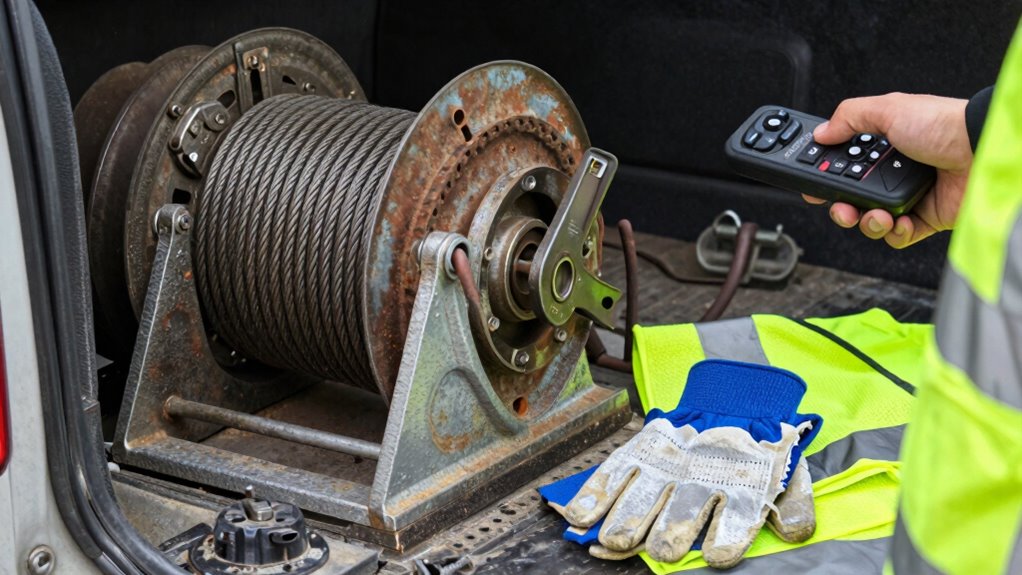
Clear communication is crucial for safe and efficient winching operations. You need to guarantee everyone involved understands each command to prevent accidents. Signal communication, especially hand signals, plays a key role in maintaining clear, non-verbal instructions. Using consistent signals helps coordinate actions smoothly, even in noisy environments. Make sure your team knows how to use standard hand signals for starting, stopping, and tensioning the winch. Confirm that everyone maintains eye contact during the process to avoid misinterpretation. Additionally, establish a clear system for verbal cues when necessary, but prioritize visual signals. By doing so, you minimize confusion, reduce risks, and keep the operation controlled and safe for everyone involved.
Frequently Asked Questions
How Often Should I Service My Winch for Optimal Performance?
You should service your winch every 3 to 6 months for peak performance. Regular winch maintenance includes inspecting the cable, checking for corrosion, and testing the electrical connections. Performing these routine checks helps prevent issues during critical moments and enhances performance efficiency. If you use your winch frequently or in harsh conditions, consider more frequent servicing to guarantee it stays reliable and ready when you need it.
What Are Common Signs of a Failing Winch Motor?
You’ll notice signs of a failing winch motor through slow or inconsistent operation, strange noises, or frequent overheating. During winch maintenance, check for corrosion or worn brushes that could hinder performance. Motor troubleshooting involves inspecting electrical connections and testing voltage. If the motor struggles under load or makes grinding sounds, it’s time to address these issues promptly to prevent further damage and guarantee reliable operation.
Can I Use a Winch on Any Vehicle Type?
You can’t just toss a winch onto any vehicle like a puzzle piece; vehicle compatibility is key. Before you start winch installation, check your vehicle’s bumper strength, electrical system, and weight capacity. Some vehicles, like trucks or SUVs, are built for this task, while others might not handle the added stress. Always verify your vehicle’s specifications to guarantee safe, effective use of your winch.
What Weather Conditions Should I Avoid When Winching?
You should avoid winching during severe weather hazards like heavy rain, thunderstorms, or snowstorms, as environmental conditions become unsafe. Wet or icy conditions increase the risk of slipping or losing control, while lightning poses a danger of electrocution. Strong winds can also cause instability. Always wait for better weather, as adverse environmental conditions compromise your safety and the winch’s effectiveness, making it essential to prioritize safety first.
How Do I Store My Winch Properly After Use?
Now’s the time to turn over a new leaf with your winch. After use, clean off dirt and moisture to prevent rust, then apply a light coat of lubricant to moving parts. Store it in a dry, cool place, away from direct sunlight, and keep the cable spooled neatly. Proper winch maintenance and storage tips like these will guarantee your equipment stays ready for action when you need it most.
Conclusion
Remember, the true strength lies in preparation and awareness. Before you reach for that remote, guarantee everything is in harmony—like a well-tuned instrument. When you respect the process and pay attention to details, you’ll find the task becomes not just easier, but safer for everyone involved. Sometimes, the quiet moments of preparation speak louder than the act itself, guiding you smoothly through the challenges ahead. Trust in the buildup, and success will follow quietly behind.
Fall Picks
fall essentials
As an affiliate, we earn on qualifying purchases.