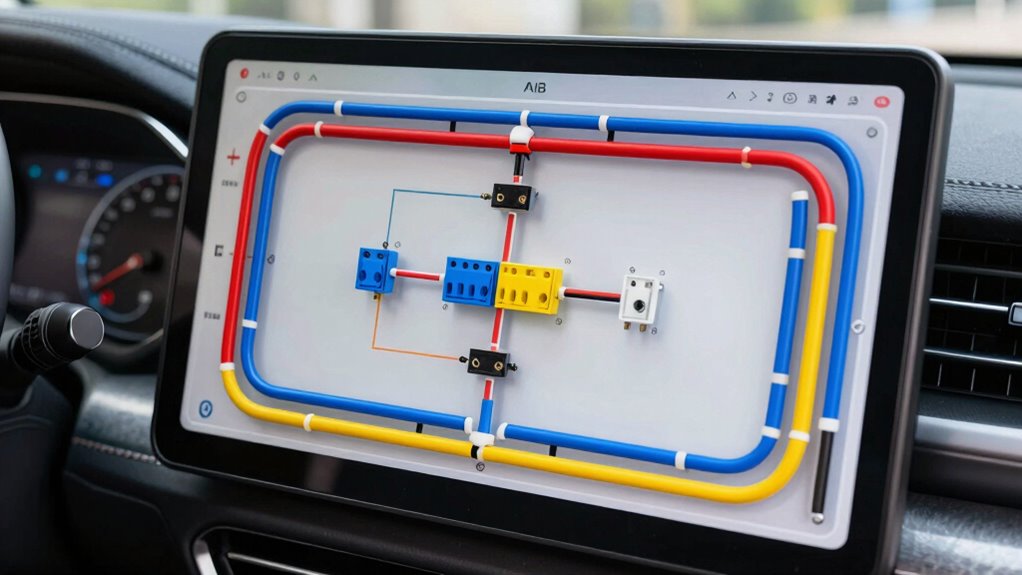

To stop blowing fuses on your road trip, guarantee your wiring is well-organized and properly protected. Assess your vehicle’s electrical system regularly, checking for corrosion, loose connections, and damaged wires. Design a safe wiring layout by evenly distributing loads, secure cables neatly, and label everything clearly. Select the right fuses and components to handle current safely. Keep your wiring neat and secure; if issues persist, there’s more you can do to prevent future failures.
Key Takeaways
- Distribute circuits evenly and group related electronics to prevent overloads and fuse blows.
- Use high-quality, properly rated fuses slightly above device current draw for reliable protection.
- Plan wiring routes that minimize length, avoid interference, and secure wires with zip ties and clips.
- Label all wires clearly with color coding and detailed diagrams for easy troubleshooting during trips.
- Regularly inspect and clean wiring connections, checking for corrosion, damage, and loose contacts to maintain system integrity.
Why Blown Fuses Can Ruin Your Road Trip Electronics

Blown fuses might seem like a minor inconvenience, but they can actually cause serious damage to your road trip electronics if not addressed quickly. When a fuse blows, it often indicates an underlying electrical issue that, if ignored, can strain your vehicle’s battery longevity. Constant overloads or shorts can force your battery to work harder, reducing its lifespan. Additionally, blown fuses can signal problems with your alternator’s performance; a failing alternator may not supply consistent power, leading to electrical surges or drops. These fluctuations can damage sensitive electronics, from GPS units to communication devices. Ignoring blown fuses can turn a simple fix into costly repairs, so addressing electrical issues promptly helps protect your gear and keeps your vehicle’s electrical system running smoothly. Proper wiring practices and awareness of heat buildup and fumes are also crucial to prevent electrical hazards during your trip. Being aware of electrical system diagnostics can help you identify issues early before they cause further damage, and understanding proper wiring techniques can reduce the risk of future fuse blows. Additionally, understanding how electrical system components interact can help you better troubleshoot and prevent issues on the road.
Assess Your Vehicle’s Electrical System
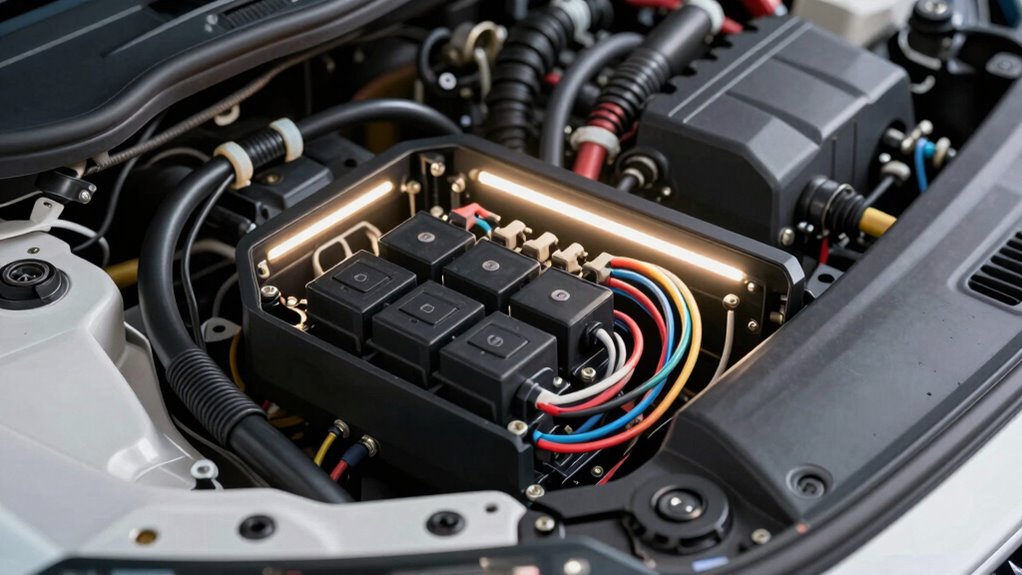
Before installing new electronics or troubleshooting existing issues, it’s crucial to assess your vehicle’s electrical system thoroughly. Start by checking your battery health—look for corrosion, loose connections, or signs of wear that could cause power fluctuations. A weak or failing battery can strain your system and lead to blown fuses. Next, evaluate your alternator capacity; verify it can handle the additional load from your electronics without overtaxing. An underpowered alternator may struggle to supply consistent voltage, risking electrical faults. Confirm that your vehicle’s wiring is in good condition, with no frayed or damaged insulation. Additionally, consider inspecting your vehicle’s water-related systems to ensure that any added electronics won’t interfere with existing systems. Proper wiring and electrical capacity are essential to prevent overloads and protect your vehicle’s electronics. Regularly reviewing your vehicle’s electrical system can help you identify potential issues before they cause failures. Being aware of hosted services and discounts can also help you find reliable parts or upgrades at better prices. These steps help you understand your current setup and identify potential weaknesses before adding or modifying your electronics, ensuring a safer, more reliable road trip.
Design a Safe and Reliable Wiring Layout
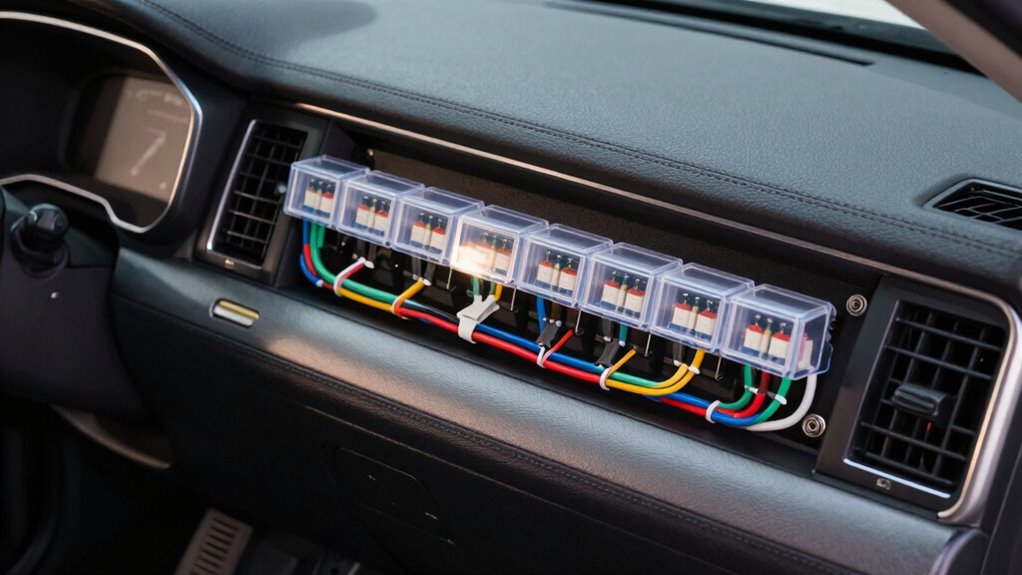
To guarantee your wiring is safe and reliable, focus on proper circuit distribution so each component gets the right power. Use quality components to prevent failures and reduce the risk of electrical issues on your trip. Planning this carefully now will save you time and trouble later. Additionally, consider filter sizing/flow to ensure your system operates efficiently without overloading circuits. Incorporating a balanced wiring plan helps distribute electrical load evenly, minimizing the risk of burnout or system failures during your journey. Ensuring your wiring adheres to extension cord standards can further enhance safety and prevent potential hazards. Understanding engine performance upgrades can also influence your vehicle’s electrical demands, making proper wiring even more critical. Proper wiring setup also involves following electrical code guidelines to meet safety regulations and prevent future issues.
Proper Circuit Distribution
Effective circuit distribution is essential for creating a wiring layout that’s both safe and reliable. Proper distribution prevents overloads and makes troubleshooting easier. Use color coding to distinguish circuits—red for power, black for ground, and other colors for specific functions. Refer to detailed wiring diagrams to plan your layout before installation. Distributing circuits evenly across the vehicle’s power source helps to avoid overload issues and ensures balanced power flow. Distribute circuits evenly across the vehicle’s power source, avoiding bottlenecks. Group related components together to simplify maintenance. Map out your wiring paths carefully to prevent clutter and interference. Ensuring a smarter, more confident wiring plan reduces the risk of electrical issues and enhances overall safety. A well-thought-out circuit organization is key to maintaining a clean and efficient wiring system, especially in complex setups. Proper circuit load management is vital for preventing electrical failures and ensuring longevity of your system. Here’s an example of how to organize your circuits:
| Circuit Purpose | Color Code | Max Current | Fuse Rating | Notes |
|---|---|---|---|---|
| Lights | Yellow | 10A | 15A | Use dedicated fuse |
| Audio | Blue | 15A | 20A | Keep separate from other loads |
| Charging Ports | Green | 20A | 25A | Ensure proper grounding |
| Accessories | Orange | 5A | 10A | Short runs preferred |
| Miscellaneous | Purple | 5A | 10A | Use for small devices |
Use Quality Components
Choosing high-quality components is fundamental to guaranteeing your wiring layout remains safe and dependable over time. Using premium wire quality prevents corrosion, reduces resistance, and minimizes the risk of shorts. High-durability components withstand the vibrations and temperature fluctuations common during road trips, maintaining reliability. When selecting parts, prioritize those with solid insulation and corrosion-resistant connectors. Incorporating mind-body healing techniques can also help reduce stress during installation and troubleshooting. Investing in quality components ensures your electrical system remains resilient, reducing the chance of fuses blowing and electronics failing. Remember, durable and reliable parts are a key step toward a safe, trouble-free road trip.
Choose the Right Fuses and Circuit Protection
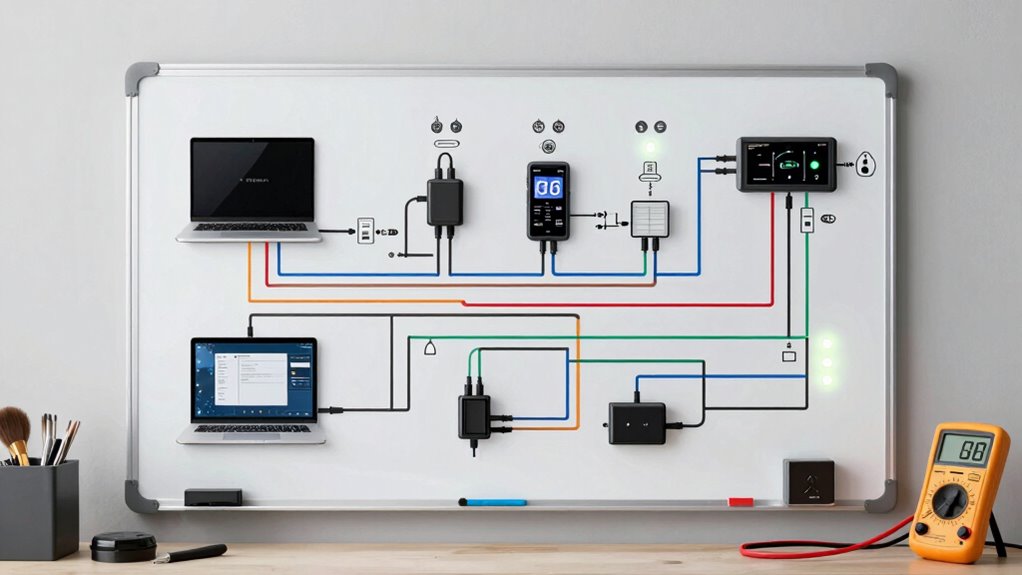
How do you guarantee your wiring stays safe and reliable during your road trip? The key is choosing the right fuses and circuit protection. Select fuse types suited for your electronics—blade, glass, or resettable circuit breakers—based on current needs. Proper circuit labels help identify protected circuits quickly, preventing accidental overloads. Use a fuse with a slightly higher rating than your device’s current draw to avoid nuisance blows, but never exceed recommended limits. Additionally, understanding circuit protection options can help prevent electrical failures during your journey. Here’s a quick reference:
| Circuit | Fuse Type | Rating (A) |
|---|---|---|
| Lights | Blade | 10-15 |
| Audio | Glass | 5-10 |
| Accessories | Resettable | 15-20 |
| Charging | Blade | 10-20 |
| GPS | Glass | 2-5 |
Choosing the right fuse type and labeling circuits ensures your electronics stay protected. Being aware of watt-hours and capacity considerations from your battery inverter generator can help you plan your power needs more effectively during the trip. For optimal safety, understanding electrical standards can guide you in selecting appropriate wiring and protection measures. Additionally, incorporating AI-powered safety alerts can provide real-time warnings about electrical issues before they become critical.
Install and Manage Your Wiring Properly
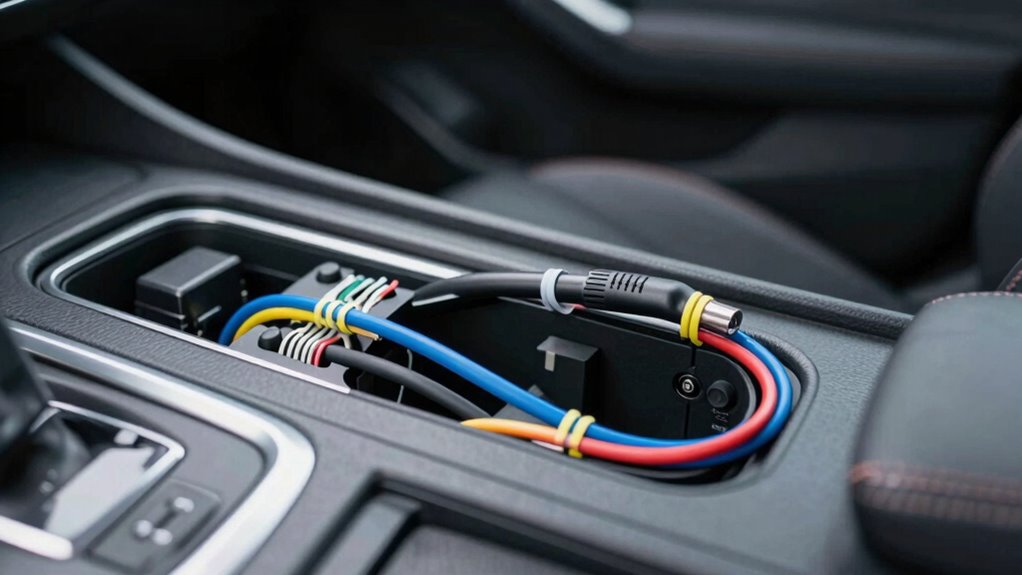
To guarantee your wiring is safe and durable during your road trip, you need to install and manage it carefully from the start. Proper installation ensures reliable power delivery and prevents issues like blown fuses. Focus on:
- Securing wires neatly to avoid tangles and damage, especially around moving parts.
- Using quality wire insulation to protect against heat, moisture, and vibrations.
- Keeping your battery maintenance routine up-to-date to prevent power fluctuations that could overload circuits.
- Incorporating essential DIY tools to make the installation process safer and more efficient.
- Additionally, understanding must-see destinations and travel tips can help you plan your route to avoid unnecessary electrical strain and ensure your electronics stay powered throughout your journey.
Troubleshoot Fuse Blowing Problems on the Road

When your fuse keeps blowing, start by checking for overloaded circuits that might be drawing too much power. Next, inspect the wiring for any signs of damage or faulty connections. Finally, make certain you’re using the correct fuse ratings to match your device’s requirements, preventing future issues.
Identify Overloaded Circuits
Overloaded circuits are a common cause of fuse blowing while on the road, and identifying them quickly can save you time and hassle. When you suspect a circuit overload, look for signs like frequent fuse blows or dimming lights. To troubleshoot, check the devices connected to that circuit, ensuring they don’t exceed the fuse’s capacity. Remember, using incompatible fuses can cause false triggers or damage.
Focus on these key points:
- Circuit overloads happen when too many devices draw power through one circuit.
- Fuse compatibility is essential; always use a fuse rated for your circuit’s amperage.
- Regularly inspect connections to catch loose or faulty wiring before they cause overloads.
Being attentive to these signs helps keep your wiring plan safe and effective on the road.
Check Faulty Wiring
Ever wonder if faulty wiring is the culprit behind fuse blows on your road trip? Faulty connections are a common cause, so it’s essential to inspect all wiring carefully. Look for loose or disconnected wires, which can cause short circuits and blow fuses. Corrosion issues also pose a problem, especially in humid environments or if wiring isn’t well-protected. Check terminals and connectors for rust, greenish deposits, or other signs of corrosion, which can interrupt electrical flow. Clean any corrosion with a wire brush and apply dielectric grease to prevent future issues. Confirm all wires are properly secured and insulated. Addressing these faulty wiring issues early can save you time and prevent your fuses from blowing unexpectedly.
Use Proper Fuse Ratings
Have you checked if your fuse ratings match the electrical load of your devices? Using the correct fuse ratings is crucial for circuit compatibility and preventing blown fuses. Selecting a fuse with too low a rating can cause it to blow prematurely, while too high a rating risks damage to wiring and devices. Always:
- Match fuse ratings to the manufacturer’s specifications
- Ensure the fuse can handle your device’s maximum current
- Use the right type of fuse for your wiring setup
This careful approach protects your electronics and keeps your circuit functioning smoothly. Remember, the right fuse rating ensures your system remains safe and reliable during your road trip. Always double-check fuse ratings before connecting new devices to avoid unnecessary problems.
Tips to Keep Your Wiring Organized and Safe
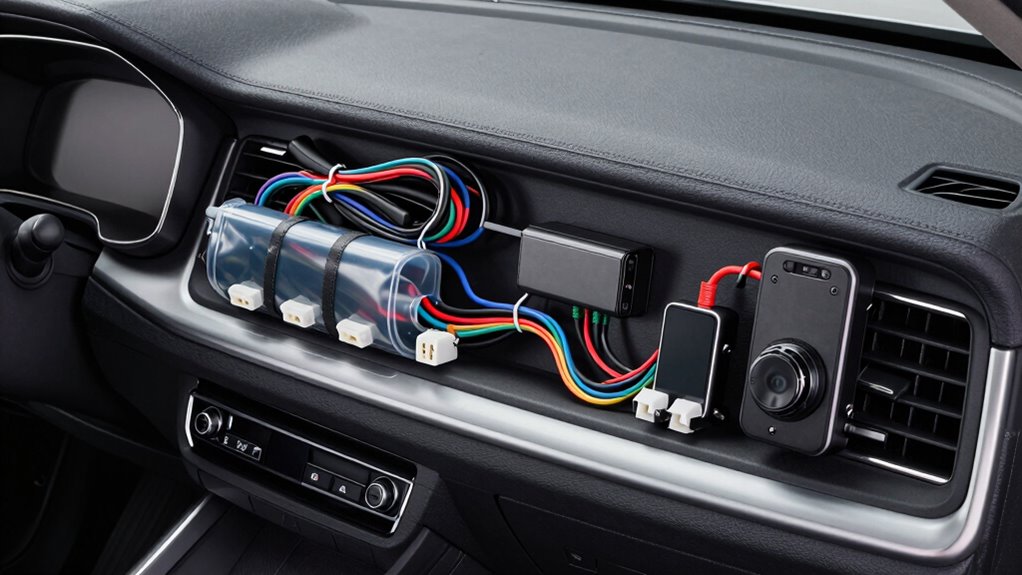
Keeping your wiring organized and safe is essential for a smooth, trouble-free road trip. Use different wire colors to identify circuits easily, reducing confusion during troubleshooting. Keep cable lengths as short as possible to prevent excess slack that can snag or get damaged. Secure all wiring with zip ties or cable clips to prevent movement and wear. Label wires clearly to save time if repairs are needed. Here’s a quick guide:
| Wire Color | Purpose | Cable Length Tips |
|---|---|---|
| Red | Power supply | Keep short and neat |
| Black | Ground connection | Use consistent length |
| Blue/Green | Signal or accessory | Avoid excess slack |
Staying organized minimizes risks and makes troubleshooting quick.
Frequently Asked Questions
What Safety Precautions Should I Take Before Modifying My Vehicle’s Wiring?
Before modifying your vehicle’s wiring, prioritize electrical safety by disconnecting the battery to prevent shocks or shorts. Review wiring standards to make certain your modifications are compliant and safe. Use insulated tools and wear protective gear. Double-check your plans and consult your vehicle’s manual or a professional if unsure. Properly secure all connections and avoid overloading circuits to prevent electrical fires or damage. Safety first guarantees a smooth, trouble-free upgrade.
Can I Use DIY Methods to Upgrade My Vehicle’s Electrical System?
Think of upgrading your vehicle’s electrical system as tuning a finely crafted instrument. DIY troubleshooting and custom wiring techniques can work, but you need skill and patience. If you’re confident in your abilities, you can navigate these modifications, but beware of potential pitfalls. A meticulous plan and understanding of the electrical system are essential. Otherwise, consult a professional to make sure your upgrades are both safe and effective.
How Often Should I Inspect My Wiring for Potential Issues?
You should inspect your wiring at least every three to six months, especially before long trips. Regular wire inspections help you spot frayed cables, loose connections, or signs of overheating early. Use troubleshooting techniques like checking for corrosion, testing for continuity, and ensuring secure connections. Staying proactive with your wire inspection routine keeps your vehicle’s electrical system reliable, preventing blown fuses and potential electrical failures on the road.
Are There Eco-Friendly or Sustainable Wiring Options Available?
Think of eco-friendly wiring options as the green shoots in a concrete jungle. You can choose eco-friendly wiring made from sustainable materials like recycled copper or biodegradable plastics. These options reduce environmental impact and often come with certifications indicating their sustainability. By opting for these greener choices, you support environmentally conscious practices and guarantee your road trip electronics stay powered responsibly, blending technology with respect for the planet.
What Are the Signs of an Impending Electrical System Failure?
You’ll notice signs of impending electrical failure if your fuses blow repeatedly or your system trips unexpectedly. Keep an eye on fuse ratings to guarantee they match your components; mismatched ratings can cause overloads. Also, inspect wire insulation for cracks or wear, which can lead to shorts. Address these issues promptly to prevent more serious damage and maintain a reliable electrical system on your road trip.
Conclusion
With a clear wiring plan, you’re the captain steering your electronic ship through the open road’s unpredictable seas. Avoid blown fuses and keep your gadgets humming like a well-tuned orchestra. Your careful planning transforms potential chaos into a smooth, safe journey, turning roadside frustrations into distant memories. Embrace this knowledge, and your adventure will shine brighter than the stars, a proof to your skill and foresight guiding you safely home.