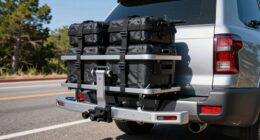
If you’re choosing between a roof bag and a cargo box, consider your needs for security, weather protection, and ease of access. Roof bags are lightweight, flexible, and easier to install, making them ideal for quick trips, but offer less security and weather resistance. Cargo boxes are sturdier, more secure, and weatherproof, perfect for longer moves, though they can be bulkier and pricier. To discover which option suits your vehicle and lifestyle best, explore further details ahead.
Key Takeaways
- Roof bags are lightweight, flexible, and easier to install, making them ideal for quick trips or occasional use.
- Cargo boxes offer superior security and weather protection, suitable for long-term storage or moving heavy items.
- Roof bags increase aerodynamic drag more than cargo boxes, leading to higher fuel consumption.
- Cargo boxes tend to be more durable, with longer lifespans, but are bulkier and less accessible during transit.
- The choice depends on storage needs, security preferences, budget, and how often the storage is accessed.
What Are Roof Bags and Cargo Boxes?
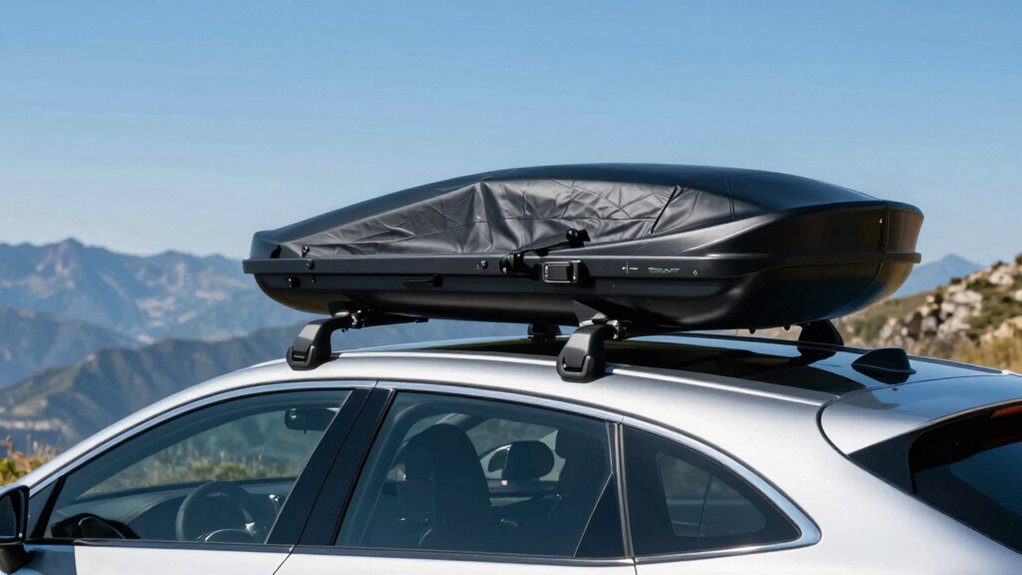
Have you ever wondered how to maximize your car’s storage space for trips or outdoor adventures? Roof bags and cargo boxes are popular solutions. Roof bags are soft, flexible containers made from durable, weather-resistant materials like nylon or vinyl. They’re lightweight and easy to install, making them a convenient option for extra gear. Cargo boxes, on the other hand, are hard-shell units usually crafted from tough plastics or fiberglass, offering superior material durability. They tend to have a sleek design, boosting your vehicle’s aesthetic appeal while providing secure, weatherproof storage. Both options help you carry more gear without cluttering your interior. Your choice depends on your needs: roof bags are versatile and lightweight, while cargo boxes offer increased protection and a polished look. Understanding the content formats available can help you choose the best solution for your specific needs. Additionally, considering the material durability of each option can influence your decision based on how well they withstand harsh weather conditions. For instance, the weather resistance of materials plays a crucial role in ensuring your belongings stay dry and secure during bad weather. For added security, many cargo boxes come with lockable features to keep your belongings safe during travel. Incorporating sustainable materials can also be an important factor for eco-conscious consumers looking to reduce their environmental impact.
How Do Roof Bags and Cargo Boxes Affect Safety and Fuel Efficiency?
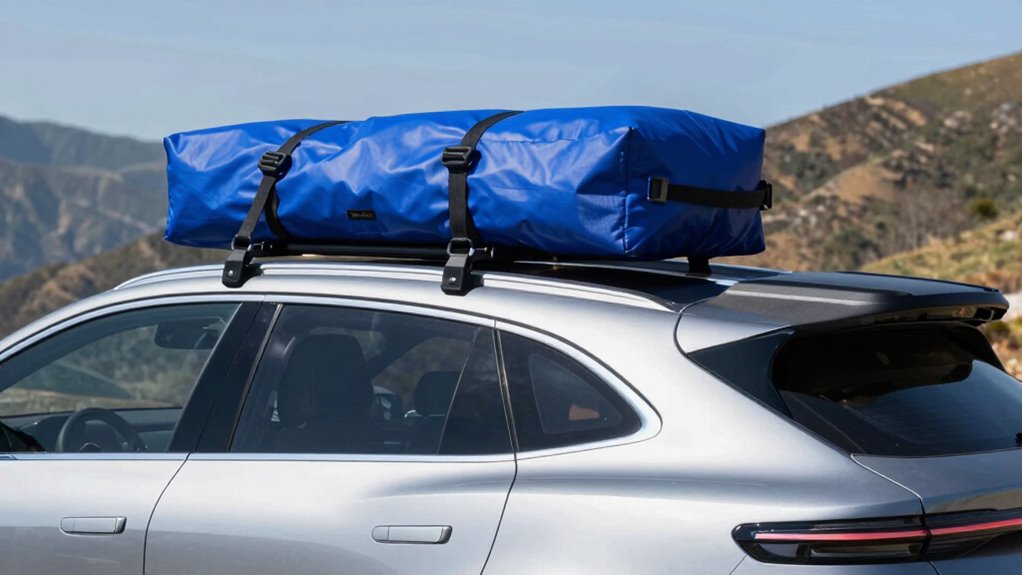
Carrying a roof bag or cargo box can impact your vehicle’s stability and handling, especially during sharp turns or sudden stops. They also increase aerodynamic drag, which can lead to higher fuel consumption on longer trips. Considering these factors helps you balance safety and efficiency when choosing your roof storage. Additionally, properly securing your gear and understanding cycling gear care can ensure safer and more aerodynamic transportation. To optimize safety and fuel efficiency, it’s also important to be aware of vehicle performance impacts, which can vary depending on the type and size of your roof storage. Being mindful of aerodynamic effects can help you make informed decisions to minimize negative impacts on your vehicle’s performance.
Impact on Vehicle Stability
While roof bags and cargo boxes provide valuable storage solutions, they can also influence your vehicle’s stability and safety. Adding these carriers affects vehicle aerodynamics, which can lead to increased wind resistance and potential handling issues, especially at higher speeds. Cargo that isn’t properly secured may shift during transit, impacting balance and control. Additionally, roof rack compatibility plays a critical role; an incompatible or poorly installed carrier can cause instability or even detachment. This extra weight and altered airflow can make steering more responsive to crosswinds and rough road conditions. To maintain safety, verify your roof rack is compatible with your vehicle and that cargo is securely fastened. Proper setup minimizes the impact on your vehicle’s stability, keeping your journey safe and smooth. Being aware of vehicle stability and handling considerations helps ensure a safer driving experience when using these storage options. Regularly inspecting your carriers and understanding aerodynamic effects can further mitigate potential safety issues during transit. Recognizing how proper installation influences overall safety is also crucial for peace of mind on the road. Additionally, understanding weight distribution can help you optimize stability and prevent uneven load impacts, especially when considering the influence of added weight on handling.
Aerodynamic Drag Effects
Adding a roof bag or cargo box changes how air flows around your vehicle, increasing aerodynamic drag. This added wind resistance can reduce fuel efficiency, making your engine work harder and increasing fuel costs over time. The shape and size of your storage accessory influence the degree of drag, with larger or less streamlined designs creating more resistance. Besides impacting performance, these accessories also have an aesthetic impact, altering your vehicle’s sleek profile and potentially drawing attention. The increased aerodynamic drag can also affect safety, especially at higher speeds, as it may cause instability or vibrations. Understanding these effects helps you weigh the benefits of extra storage against the potential downsides of reduced fuel economy and altered vehicle handling.
Fuel Consumption Variations
Have you noticed how attaching a roof bag or cargo box can noticeably impact your vehicle’s fuel efficiency? These additions increase aerodynamic drag, forcing your engine to work harder and consume more fuel. The design aesthetics of your gear also matter—sleek, streamlined options reduce drag better than bulky or poorly shaped ones. Weather resistance is another factor; a well-designed cargo box or roof bag with good weatherproofing minimizes wind resistance by maintaining a smooth surface, which can help preserve fuel economy. Additionally, incorporating natural landscaping elements around your vehicle storage can help reduce wind turbulence and improve overall aerodynamics. Research into sound healing science suggests that sound vibrations can influence cellular regeneration and health, which is an intriguing parallel to how aerodynamic design influences vehicle performance. Understanding how market trends influence vehicle accessories can also guide you in choosing the most efficient options. Moreover, considering vehicle weight distribution is essential, as uneven weight can further affect fuel consumption and handling. Interestingly, some innovative design approaches aim to balance aerodynamics with utility, potentially minimizing fuel efficiency loss. However, adding any roof-mounted storage generally leads to higher fuel consumption, especially at highway speeds. So, while choosing a model with thoughtful design aesthetics and weather resistance can mitigate some effects, expect your fuel efficiency to dip when carrying gear on the roof.
Which Is More Cost-Effective: Roof Bags or Cargo Boxes?
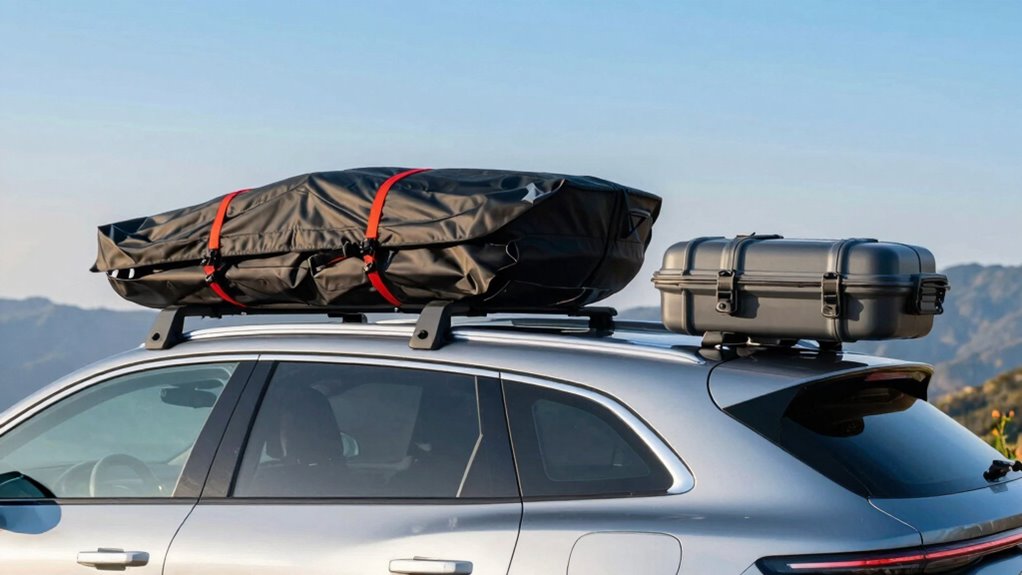
When comparing the cost-effectiveness of roof bags and cargo boxes, it’s important to take into account both the initial purchase price and long-term value. Your budget considerations play a key role here. Roof bags are usually less expensive upfront, making them appealing for short trips or occasional use. Cargo boxes, however, come with a higher initial cost but offer durability and better protection, which can save you money over time. Here’s a quick cost comparison:
| Aspect | Roof Bag | Cargo Box |
|---|---|---|
| Initial Cost | Lower | Higher |
| Durability | Less durable | More durable |
| Longevity | Shorter lifespan | Longer lifespan |
| Security | Minimal locking | Locks included |
| Long-term Cost | Lower upfront, frequent replacements | Higher upfront, longer use |
Additionally, considering chamber vacuum sealers for storage or packing can help preserve your gear and optimize space during trips. It’s also worthwhile to explore store return policies and hours for popular retailers to ensure you can easily exchange or return accessories if needed. Understanding the cost differences can help you make a more informed choice based on your specific travel habits and budget constraints.
How Easy Is It to Install and Use Roof Bags and Cargo Boxes?
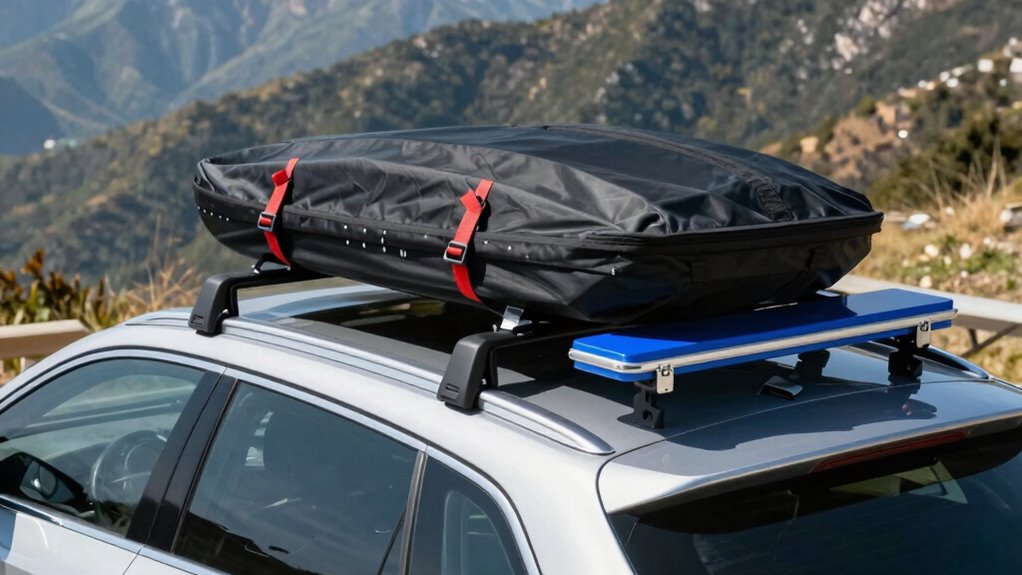
Installing and using roof bags and cargo boxes varies in ease, depending on your vehicle and the product’s design. You’ll find some options straightforward, while others require more effort. To gauge installation ease and user convenience:
- Check if your vehicle has compatible roof rails or crossbars, making setup faster.
- Look for lightweight designs that are easy to lift and position.
- Consider models with clear instructions and simple fastening mechanisms.
- Evaluate whether the product offers quick access features, enhancing everyday use.
Roof bags often score higher on installation ease due to their flexible nature, but cargo boxes can be more secure once mounted. Your choice depends on how much effort you’re willing to invest for convenience during installation and daily use.
Pros and Cons of Roof Bags for Road Trips
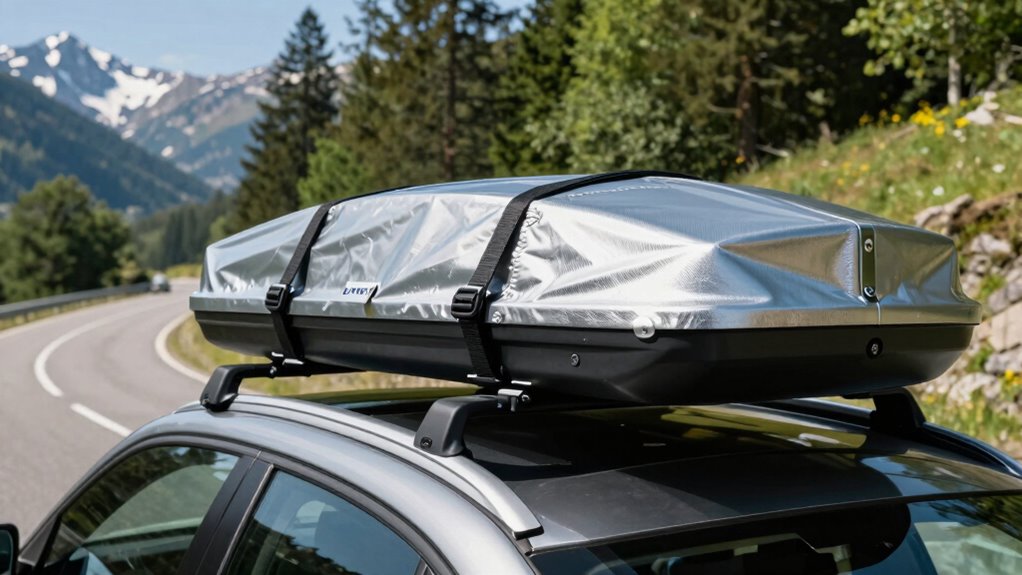
Roof bags are a popular choice for road trips because they offer flexible and often cost-effective storage solutions. They’re lightweight and adaptable, fitting various roof rack sizes and shapes, which helps maximize interior organization inside your vehicle. However, their open design means you need to pack carefully to prevent items from shifting during transit. Weather resistance varies among models; some are built with waterproof materials, protecting your gear from rain and snow, while others may require an additional cover. One major advantage is their flexibility in size, allowing you to expand or reduce capacity as needed. On the downside, roof bags generally provide less security than cargo boxes, and exposure to the elements can be a concern if the weather turns bad unexpectedly. Additionally, storage options like roof bags require proper packing techniques to ensure safety and efficiency. Being aware of the environmental impact of your gear can help you choose eco-friendly materials and reduce waste during your trip. Considering the durability of your gear can also ensure it withstands harsh weather conditions and rough handling. Choosing sustainable and eco-conscious gear options can also minimize your environmental footprint while enjoying your travels.
Benefits and Drawbacks of Cargo Boxes for Moving
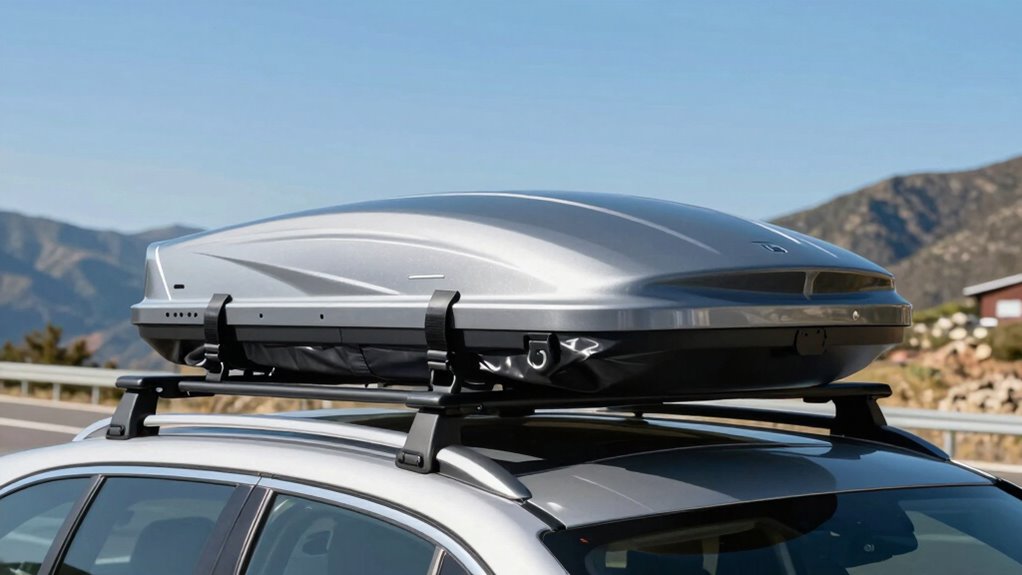
Cargo boxes are a reliable option for moving because they provide secure, weather-resistant storage that keeps your belongings safe and organized during transit. Their robust design ensures your items are protected from rain, snow, and dust, offering peace of mind. Here are some benefits and drawbacks to take into account:
- Enhanced storage organization – Cargo boxes help you categorize and secure items, making unpacking easier.
- Weather protection – They shield your belongings from the elements, preventing damage.
- Aerodynamic design – Many models are streamlined, reducing wind resistance and noise.
- Limited access – You might find it inconvenient to access items during transit, as cargo boxes often require removal for quick retrieval.
While great for weather protection and organization, they can be bulky and less accessible on the go.
Comparing Storage Capacity and Ease of Access
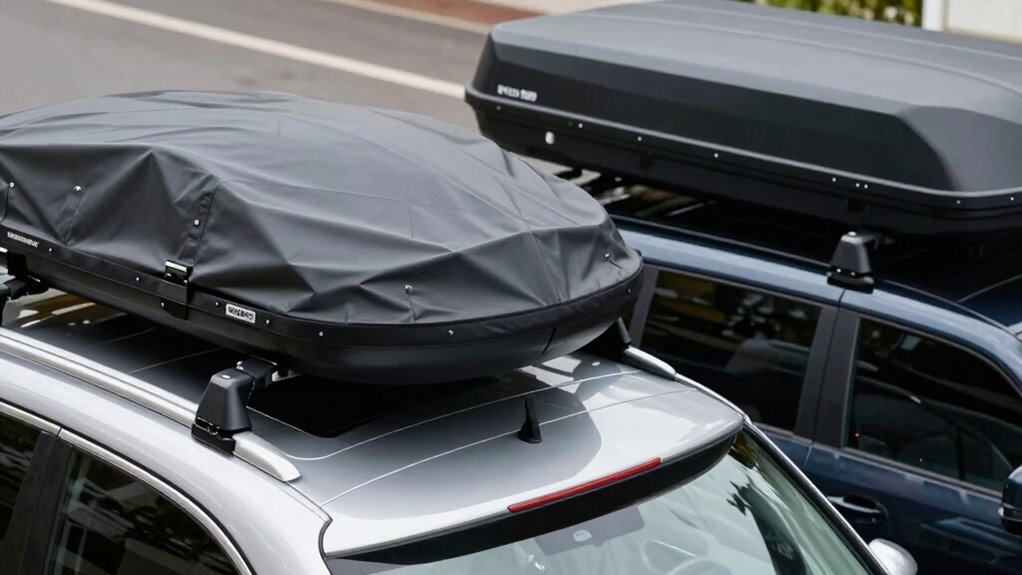
When choosing between a roof bag and a cargo box, understanding their storage capacities and how easy they are to access can make a big difference in your decision. Cargo boxes typically offer more storage space and are better suited for larger or bulkier items. They also usually feature secure locks, addressing security concerns during stops, and are weather-resistant, protecting your belongings from rain or snow. Roof bags, on the other hand, tend to be more flexible and lightweight, making them easier to install and remove. However, they often have limited capacity and may not be as secure or weather-resistant as cargo boxes. Consider how much you need to store and how frequently you’ll need access when choosing, balancing capacity with ease of access and security.
Which Roof Storage Solution Fits Your Vehicle and Lifestyle?
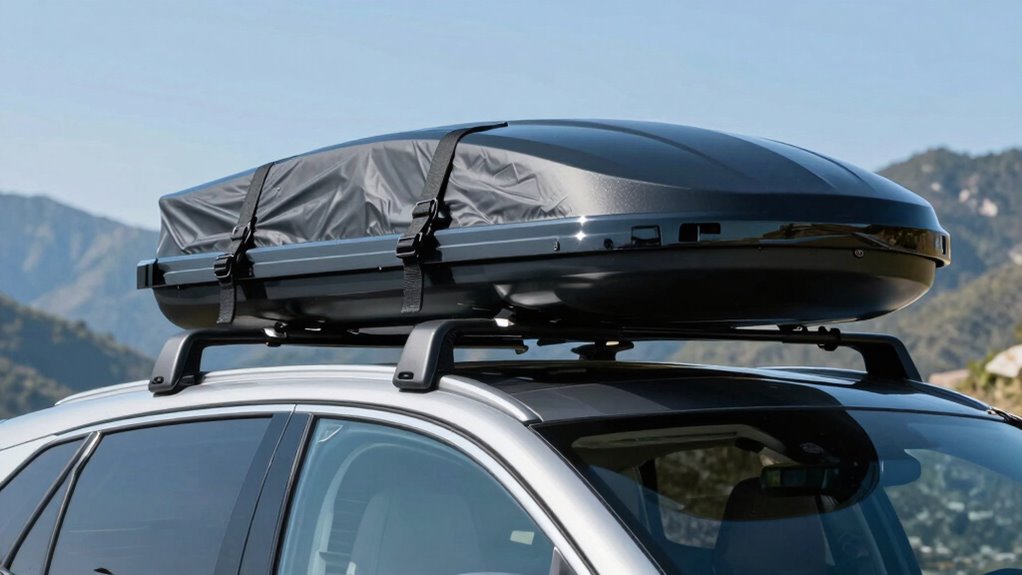
Choosing the right roof storage solution depends heavily on your vehicle type and how you plan to use it. Consider these factors:
- Vehicle Size & Shape: Larger vehicles may fit cargo boxes better, while compact cars benefit from roof bags for better aerodynamics.
- Interior Organization: If you need quick access or secure storage, a cargo box offers better interior organization, whereas roof bags are more flexible.
- Weather Resistance: For unpredictable weather, a weather-resistant cargo box provides better protection against rain and snow.
- Lifestyle & Usage: If you frequently switch storage, lightweight roof bags are easier to install and remove, fitting active lifestyles. Choose based on your specific needs for convenience and durability.
Frequently Asked Questions
Are Roof Bags or Cargo Boxes More Durable in Harsh Weather Conditions?
In harsh weather conditions, cargo boxes tend to be more durable and weather-resistant than roof bags. They’re typically made from tougher materials like plastic or fiberglass, offering better weather resilience and protection against snow, rain, and wind. Roof bags, usually made from softer, flexible materials, can struggle in severe weather, risking leaks or damage. So, for durability in extreme weather, a cargo box is the smarter choice.
How Do Roof Bags and Cargo Boxes Impact Vehicle Handling?
Imagine your vehicle gliding smoothly through the air, but with a slight whisper of extra effort. Roof bags and cargo boxes can subtly influence vehicle aerodynamics, making handling feel a bit more lively or responsive. You might notice a small dip in fuel efficiency, especially at highway speeds. Staying mindful of how your gear affects handling helps you maintain control and enjoy a safer, more comfortable ride.
Can Roof Bags or Cargo Boxes Be Used on All Vehicle Types?
You can’t use roof bags or cargo boxes on all vehicle types because vehicle compatibility varies. Most cars, SUVs, and trucks can accommodate these storage options, but check your roof’s weight limit and mounting system first. Roof boxes generally offer larger storage capacity and are more secure, while roof bags are lightweight and flexible. Always make certain your vehicle supports the specific rack system required for safe, effective use.
What Are the Maintenance Requirements for Roof Bags Versus Cargo Boxes?
You might worry about maintenance, but both roof bags and cargo boxes are pretty low-effort. Roof bags require regular checks for tears and easy cleaning with mild soap and water, thanks to their flexible material. Cargo boxes, often made of durable plastic or metal, need occasional wipe-down and inspection for cracks or rust. Overall, keeping them in good shape is simple, ensuring your gear stays protected and ready for your next adventure.
Which Storage Option Offers Better Theft Protection During Travel?
A cargo box generally offers better theft protection during travel because it has built-in security features like locks and sturdy construction, acting as a strong theft deterrent. Roof bags are more vulnerable since they lack advanced security measures and are easier to access. If theft protection is a priority, choose a cargo box with reliable locking mechanisms, ensuring your belongings stay safe while you’re on the road.
Conclusion
Choosing between a roof bag and a cargo box is like picking the right tool for a job—you’ll want what best fits your vehicle and your needs. Consider safety, cost, ease of use, and capacity to find your perfect match. Whether you’re soaring down highways or tackling moving day, the right roof storage turns your journey from a mountain to a molehill. With the right choice, your adventure will be smooth sailing on a calm sea.