To stop condensation during car camping nights, focus on balancing insulation and ventilation. Use eco-friendly insulation made from natural or recycled materials to keep the interior warm and stable, while slightly cracking a window or using small vents to guarantee fresh air flows in. Incorporate moisture control methods like dehumidifiers if possible. Maintaining this balance helps prevent condensation and keeps your space cozy and dry—discover more ways to improve your setup below.
Key Takeaways
- Use eco-friendly insulation to maintain consistent interior temperatures and reduce surface cooling.
- Ensure proper ventilation by cracking windows or using small fans to promote airflow.
- Incorporate dehumidifiers or moisture absorbers to actively remove humidity inside the vehicle.
- Balance insulation with adequate ventilation to prevent moisture buildup and condensation.
- Maintain good air circulation and avoid excess moisture sources inside the car overnight.

Camping in your car can be a cozy adventure, but condensation often turns it into a damp, uncomfortable experience. As you settle in for the night, moisture from your breath, skin, and even the surrounding environment accumulates on the cooler surfaces inside your vehicle. To combat this, you need effective strategies that address the root causes of condensation. One of the most sustainable options is using eco friendly insulation. Installing insulation made from natural or recycled materials helps regulate the temperature inside your car, preventing surfaces from cooling down too much overnight. By maintaining a more consistent interior temperature, eco friendly insulation reduces the likelihood of moisture forming on windows and walls.
Eco-friendly insulation helps stabilize your car’s temperature, reducing condensation and keeping your camping cozy.
However, insulation alone isn’t enough. Proper ventilation techniques are essential to keep moisture levels in check. You want to guarantee a continuous flow of fresh air inside your car, which helps remove excess humidity. A simple way to do this is by slightly cracking a window—just enough to allow air exchange without letting in too much cold or rain. If you’re concerned about security or weather, consider installing a vent or small fan that promotes airflow without compromising safety. This constant circulation prevents moisture from settling and forming condensation, keeping the interior dry and comfortable. Additionally, air circulation plays a vital role in preventing the buildup of humidity, so ensuring consistent airflow is crucial. Incorporating airflow management techniques can further enhance moisture control and maintain a dry environment. Incorporating ventilation systems designed specifically for small spaces can also help optimize airflow and moisture removal. Using dehumidifiers designed for small spaces can actively remove moisture from the air, providing a more controlled environment during your camping nights. These devices are especially useful in areas with high humidity or limited airflow options. Remember, the key to minimizing condensation is balancing insulation and ventilation. Insulation keeps your interior warm and reduces temperature swings, while ventilation removes built-up moisture.

Emergency Blanket Mylar Thermal Space Survival Gear & Supplies 4-Pack Foil
- Thermal Retention: Retains up to 90% of body heat
- Multi-Purpose Use: Ground cover, shelter, hypothermia prevention
- Compact & Lightweight: Folds to small size for easy storage
As an affiliate, we earn on qualifying purchases.
As an affiliate, we earn on qualifying purchases.
Frequently Asked Questions
Can Using a Dehumidifier Prevent Condensation in a Car?
Using a dehumidifier can definitely help prevent condensation in your car by reducing excess air moisture. It pulls moisture out of the air, making it harder for condensation to form on surfaces. Additionally, you should improve air circulation inside your vehicle by keeping windows slightly open or using fans. Combining a dehumidifier with good air circulation is the most effective way to manage car moisture and keep your sleeping area dry during camping nights.
What Specific Materials Are Best for Insulating a Car Interior?
You should choose foam board or spray foam insulation for your car interior because they offer excellent thermal barriers. Combine these with soundproofing techniques like mass-loaded vinyl or acoustic foam to improve comfort. These insulation materials trap heat and reduce noise effectively, making your camping nights cozy. Remember, the right combination of insulation and soundproofing keeps your car warmer, quieter, and more comfortable during those chilly nights.
How Does Vehicle Ventilation Impact Condensation Levels?
Vehicle ventilation plays a vital role in controlling condensation levels. When you guarantee proper air circulation, moisture escapes more effectively, reducing buildup inside your car. Regularly opening windows or vents allows fresh air in and moist air out, preventing excess humidity. Good moisture control through ventilation keeps the interior dry, minimizes condensation, and helps you sleep comfortably without dampness or foggy windows.
Are There Natural Remedies to Reduce Moisture Buildup Overnight?
You might think damp cloths or absorbent mats reduce moisture overnight, but studies show they mainly shift moisture rather than eliminate it. Instead, try placing a dry, absorbent mat or towel near windows to absorb excess humidity naturally. Damp cloths can sometimes add to moisture if not thoroughly dried, so make certain they’re only used temporarily. Proper ventilation and keeping surfaces dry are your best natural remedies to reduce condensation.
Does the Type of Car Affect Condensation Formation and Prevention?
Yes, your car type impacts condensation formation and prevention. For example, cars with better insulation or sealed windows, like those with window tinting, reduce moisture buildup. A shiny car paint surface can also help by reflecting heat, preventing cold spots where condensation forms. Choose a car with proper insulation and consider window tinting to minimize temperature fluctuations, which helps keep moisture out and reduces condensation during overnight camping.

Eva-Dry Wireless Mini Dehumidifier, White (E-333)
- Easy to Use: Spill-free, hang and go design
- Safe for Home: Non-toxic, child and pet safe
- Effective for Small Spaces: Covers up to 333 cubic feet
As an affiliate, we earn on qualifying purchases.
As an affiliate, we earn on qualifying purchases.
Conclusion
By mastering these simple tricks, you’ll turn your car into a fortress against condensation, transforming those damp, miserable nights into dry, cozy sanctuaries. Imagine sleeping soundly, free from the relentless drip-drip of moisture, feeling like you’ve conquered the weather itself. It’s not just about stopping condensation—it’s about reigning supreme over nature’s sneakiest tricks. With these tips, you’ll sleep like royalty, undisturbed by moisture’s tiny, insidious invasion. Victory over condensation is yours—claim it tonight!
As an affiliate, we earn on qualifying purchases.
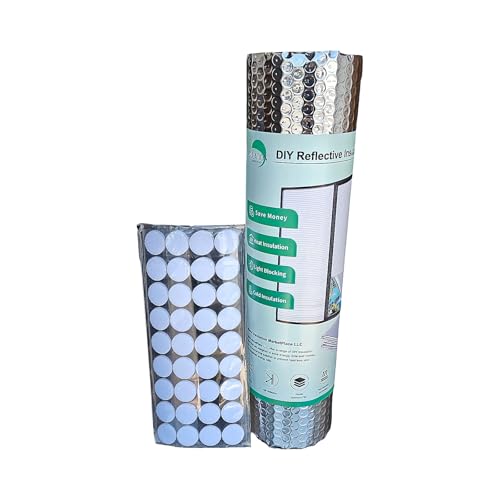
INSULATION MARKETPLACE – 16" x10ft Bubble Double Reflective Insulation Roll, Thermal Shield, RV Window Insulation Foil/Foil
- Easy DIY Installation: Cut and apply with included adhesive pads
- High Heat Resistance: Blocks up to 97% of sun's heat
- Energy Efficient Insulation: Reduces heat loss in winter
As an affiliate, we earn on qualifying purchases.
As an affiliate, we earn on qualifying purchases.