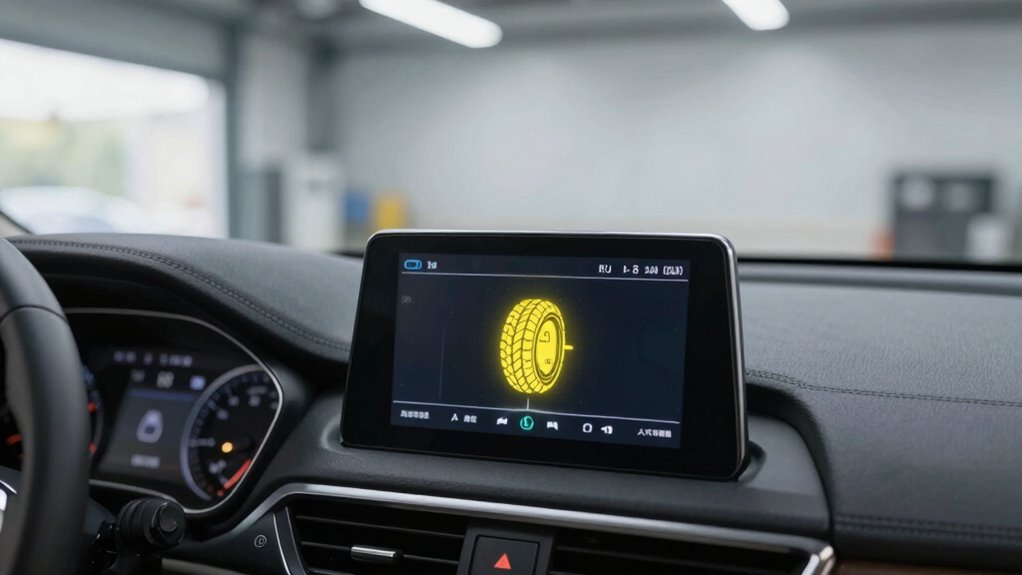
If your TPMS warning light comes on, you should pay close attention. Critical alerts, like sudden pressure drops or persistent warnings, signal potential tire leaks, damage, or system malfunctions that can affect safety and vehicle handling. Ignoring these can lead to blowouts or accidents. It is crucial to check tire pressures, inspect for damage, or get professional help if needed. To stay safe, you’ll discover what alerts are most urgent and how to respond effectively.
Key Takeaways
- Sudden tire pressure drops or warning lights indicate urgent issues like leaks or damage requiring immediate inspection.
- Persistent or continuously flashing alerts suggest system malfunctions or ongoing tire pressure problems needing professional attention.
- Ignoring warnings about low tire pressure can cause blowouts, poor handling, and increased safety risks.
- False alarms after tire rotation or alignment may occur but should be recalibrated to ensure accurate readings.
- Addressing TPMS warnings promptly helps prevent tire damage, extends tire life, and maintains vehicle safety.

Tymate TM7 RV Tire Pressure Monitoring System, TPMS Set of 4 Sensors
- Accurate Real-Time Monitoring: Tire pressure and temperature alerts with multi-alert system
- Plug-in Power & USB Charging: Easy power via cigarette lighter with dual USB ports
- Color LCD Display: Adjustable backlight for clear readings in all conditions
As an affiliate, we earn on qualifying purchases.
As an affiliate, we earn on qualifying purchases.
What Do TPMS Alerts Mean and Why Should You Care?
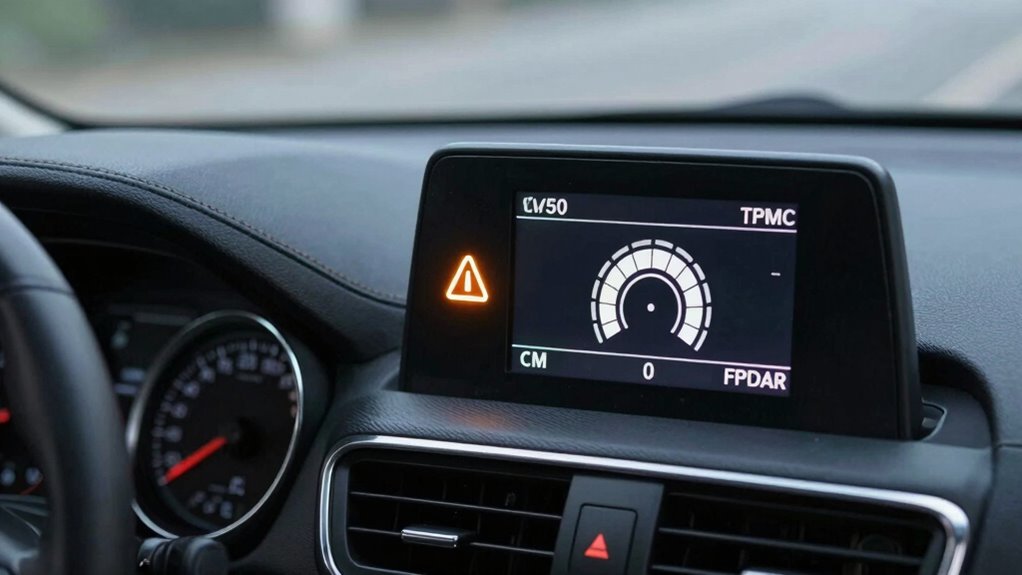
Have you ever wondered what it means when your TPMS alert suddenly lights up on your dashboard? It’s a sign that your tire pressure might be off, which could affect your vehicle’s safety and performance. Ignoring this warning can lead to uneven tire wear, reduced fuel efficiency, and even blowouts. To address this, proper tire maintenance is essential, including regular pressure checks. Sometimes, the sensor calibration needs updating after tire changes or rotations to guarantee accurate readings. When the TPMS alert appears, it’s a call to action—check your tires promptly and calibrate the sensors if needed. Staying attentive to these alerts helps you prevent bigger issues down the road, keeping you safe and extending your tires’ lifespan. Regularly monitoring TPMS sensors ensures reliable alerts and optimal vehicle safety, especially when combined with awareness of tire pressure maintenance, which is crucial for maintaining the safety and efficiency of your vehicle. Additionally, understanding the role of contrast ratio in projectors can be valuable if you’re considering a home cinema setup to enhance your viewing experience.
A well-maintained outdoor environment can also contribute to overall vehicle care by providing a cleaner, safer space for your car and accessories.

Schrader TPMS Retrofit Kit Designed For Use On Passenger Vehicles and Light Trucks Built Prior to 2008 Without Factory Installed TPMS. Ideal for Off Road Applications and Classic Collector Cars.
- Compatibility: For vehicles built before 2008
- Monitoring Capabilities: Displays tire pressure and temperature
- Warning System: Alerts for 25% under-inflation
As an affiliate, we earn on qualifying purchases.
As an affiliate, we earn on qualifying purchases.
How to Recognize Critical TPMS Warnings That Need Immediate Attention
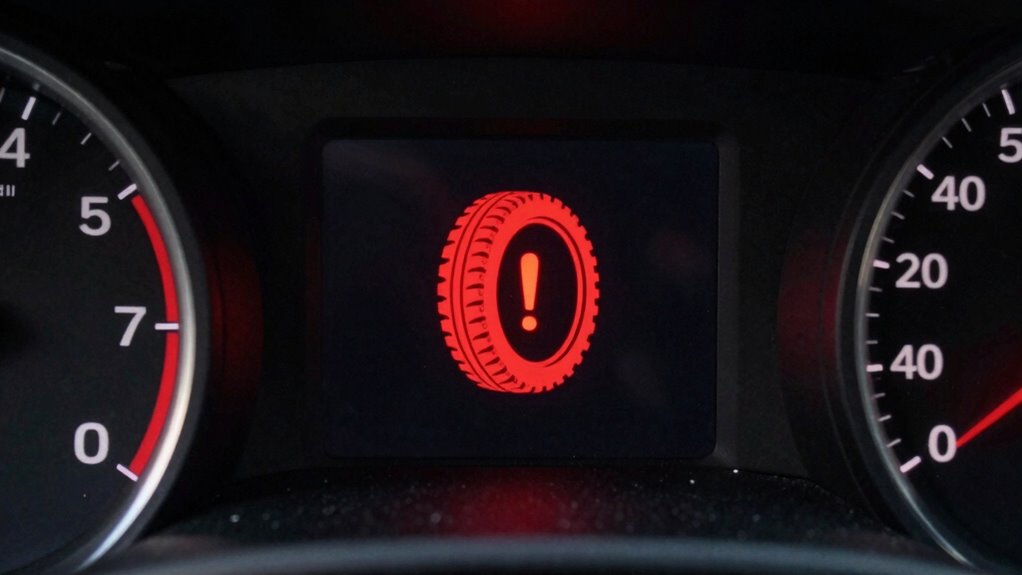
You should act quickly if you notice a sudden drop in tire pressure, as it could signal a dangerous leak. A persistent tire warning light indicates a problem that needs attention, even if the tire looks fine. Additionally, if your vehicle handles differently or feels unstable, it’s a sign that immediate action is necessary to stay safe on the road. Being aware of TPMS alerts and understanding their meanings can help you prevent accidents and ensure your safety. Recognizing the importance of vehicle safety features can also guide you in making responsible choices and maintaining your vehicle properly. Understanding how regional flavors and ingredients influence tire design and safety standards can provide additional context for comprehensive vehicle maintenance. Moreover, integrating top car protection and accessories such as remote car covers or gear upgrades can further enhance your vehicle’s safety and longevity. It’s also helpful to familiarize yourself with cable management practices to prevent heat buildup and potential hazards in your vehicle or garage setup.
Sudden Tire Pressure Drop
A sudden drop in tire pressure can be be a critical warning sign that demands immediate attention. If your TPMS detects a rapid decrease, it’s likely due to a puncture, valve leak, or tire damage. Your vehicle’s warning system relies on tire pressure sensors to monitor these changes in real time. When a sudden pressure loss occurs, the alert typically flashes quickly, signaling you to act fast. It’s vital to verify your warning system calibration is accurate so these alerts are reliable. If you notice this warning, pull over safely and inspect the affected tire. Ignoring a sudden pressure drop can lead to dangerous driving conditions, including blowouts or loss of control. Proper wall surface finishes and maintenance can also help extend the lifespan of your tires and vehicle components, and understanding early detection techniques is crucial for safety. Additionally, being aware of sensor accuracy helps ensure that your TPMS provides trustworthy alerts. Regularly checking for potential hazards around your tires can aid in early identification of issues before they escalate. Being proactive about system diagnostics can further enhance the reliability of your tire pressure monitoring system.
Persistent Tire Warning Light
When the persistent tire warning light stays illuminated on your dashboard, it signals a serious issue with your TPMS that requires immediate attention. This warning often indicates a critical tire pressure problem or a malfunction in the system itself. To address this, start with proper tire maintenance—check your tires for leaks, damage, or low pressure. If the pressure is correct, the sensor calibration might be off, which can cause false warnings. In such cases, recalibrating or resetting the sensors can resolve the issue. Ignoring this warning could lead to unsafe driving conditions, uneven tire wear, or even blowouts. Regular system checks can help ensure your safety and the longevity of your tires. Additionally, understanding the TPMS system and its alerts can assist you in quickly diagnosing and addressing issues before they escalate. Being familiar with system malfunctions can also help you distinguish between false alarms and genuine problems, saving you time and potential costs. Proper sensor maintenance is essential for accurate readings and reliable performance, helping prevent unnecessary alerts. Remember, early detection and maintenance are key to avoiding more serious tire-related issues down the line.
Unusual Vehicle Handling
Unusual handling of your vehicle—such as pulling to one side, vibrations, or difficulty steering—can be signs of a serious TPMS issue that demands immediate attention. These symptoms often indicate uneven tire pressure or suspension problems. Ignoring them can lead to unsafe driving conditions. Check if your tires need a tire rotation or if your wheel alignment is off. Proper maintenance helps prevent these handling issues and ensures your TPMS alerts are genuine. Additionally, understanding the capacity of your tires can help anticipate and prevent potential problems, especially if your vehicle is used in regions with diverse climates like those found across the South. Regularly inspecting your tire pressure and sensor functionality can also help identify issues before they affect vehicle handling. Being aware of digital monitoring systems can further assist in early detection of tire-related problems. Recognizing the importance of energetic alignment with your vehicle’s systems can contribute to better overall vehicle health and safety.

ETENWOLF T300 Digital Tire Pressure Gauge 3-200 PSI, Industrial Tire Gauge Calibrated to ANSI B40.7 Grade 2A(Plus-Minus 0.5%), Replaceable AAA Batteries (Vivid Orange)
- Calibration Standard: Calibrated to ANSI B40.7 Grade 2A
- Pressure Range: Measures 3-200 PSI accurately
- Extreme Temperature Tolerance: Operates in -4°F to 130°F
As an affiliate, we earn on qualifying purchases.
As an affiliate, we earn on qualifying purchases.
Is Your Tire Pressure Issue Minor or Serious? Here’s How to Tell
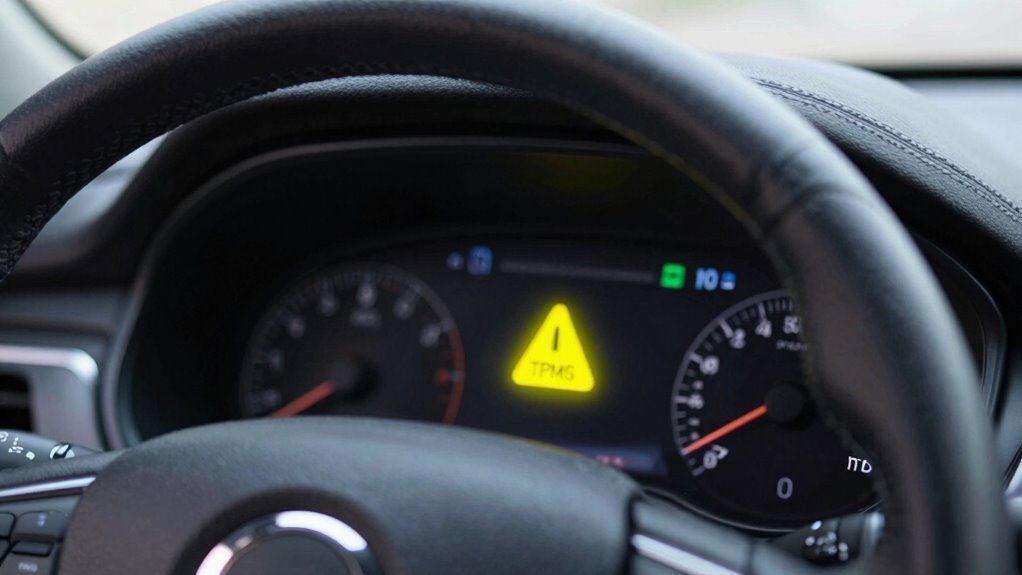
Determining whether a tire pressure issue is minor or serious can save you time, money, and potential safety risks. Start by checking your tire inflation; if the pressure is slightly low, adding air might resolve the issue. However, if the warning persists after proper tire inflation, it could indicate a sensor calibration problem or a slow leak. A serious issue usually involves a significant pressure drop or uneven tire wear, which affects handling and safety. Trust your TPMS, but remember it’s a guide, not a diagnosis. If you notice ongoing alerts despite correcting tire pressure, have a professional inspect the sensor calibration and tire condition. Prompt attention prevents further damage and keeps you safe on the road.
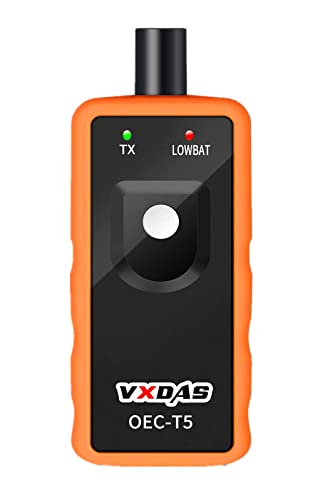
VXDAS TPMS Relearn Tool Only for GM Vehicles (2006-2024 Chevy/Buick/GMC/Opel/Cadillac) Original Sensor with 315/433 MHz, Tire Sensors Pressure Monitor System Reset Tool OEC-T5-2025 Edition
- Compatibility: Works with GM vehicles 2006-2023
- Frequency Range: Supports 315/433 MHz sensors
- Time Saving: Activates sensors in 1-2 minutes
As an affiliate, we earn on qualifying purchases.
As an affiliate, we earn on qualifying purchases.
What Should You Do When Your TPMS Warning Light Comes On?
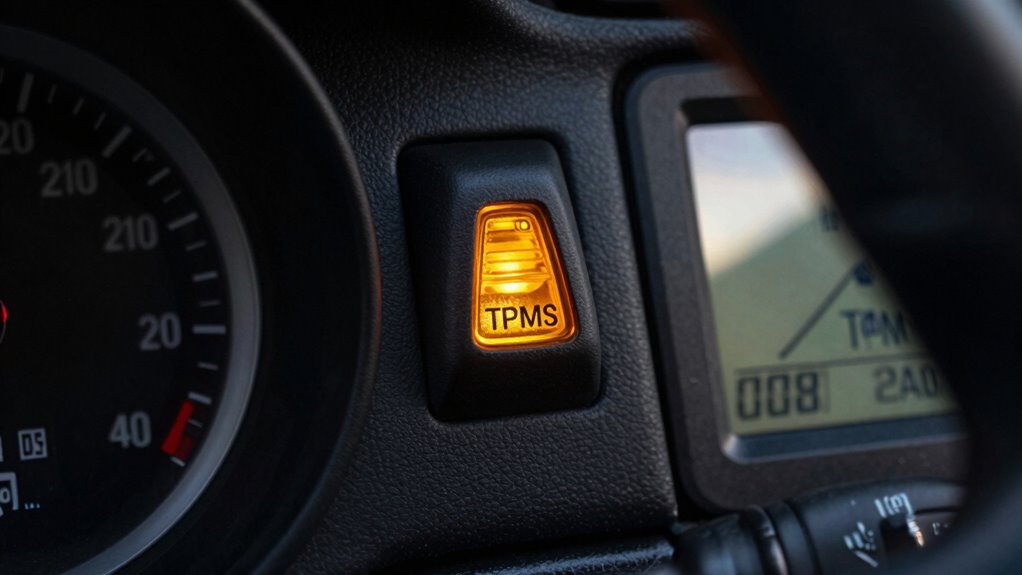
When your TPMS warning light comes on, your first step is to check your tire pressure and make sure it’s within the recommended range. Next, look for any signs of damage or punctures that could be causing the alert. Taking these quick actions can help determine if you need to add air or seek professional help.
Check Tire Pressure
Noticing your TPMS warning light come on can be alarming, but the first step is straightforward: check your tire pressure. Use a reliable tire pressure gauge to see if any tire is underinflated or overinflated. If the pressure is off, adjust it to the manufacturer’s recommended level, usually found on the driver’s door frame or in the owner’s manual. Incorrect tire pressure can trigger the warning and affect your vehicle’s handling and fuel efficiency. Also, consider whether your tires need a rotation or if your wheel alignment is off, which can cause uneven tire wear and pressure issues. Regular maintenance like tire rotation helps prevent pressure problems, and proper wheel alignment guarantees your TPMS readings stay accurate.
Inspect for Damage
If your TPMS warning light comes on after checking and adjusting tire pressures, it’s time to inspect the tires for damage. Look for cuts, punctures, or uneven wear that could jeopardize tire integrity. While inspecting, consider if it’s time for a tire rotation, which helps guarantee even wear and prolongs tire life. Damaged tires can affect wheel alignment, leading to handling issues and uneven tire wear. If you notice any damage or uneven tread, have a professional evaluate the tires and perform necessary repairs or replacements. Properly aligned wheels help prevent future issues and keep your TPMS system accurate. Addressing damage promptly ensures your safety and prevents further mechanical problems down the road.
Are False TPMS Alarms Common? When Can You Ignore Them?
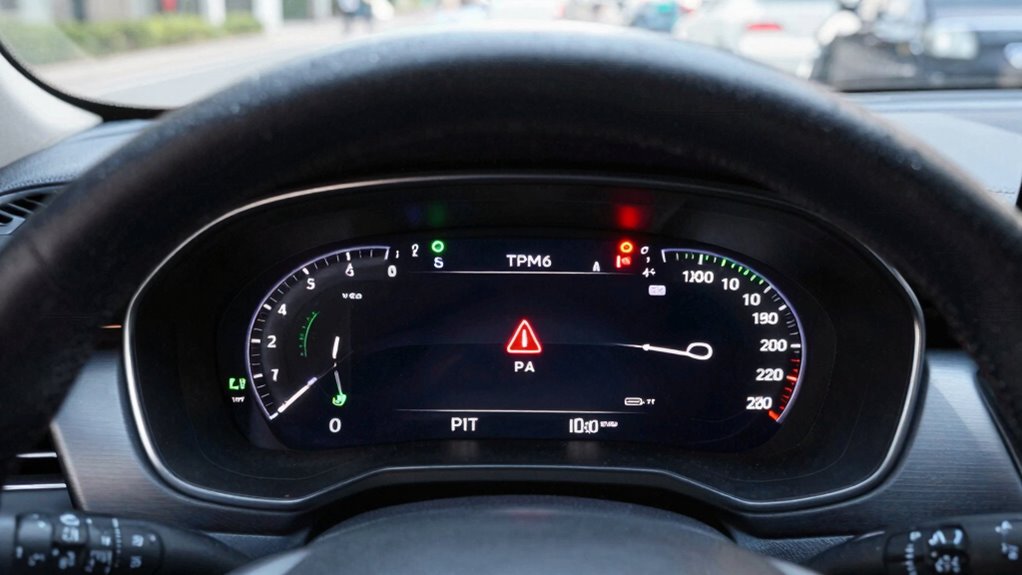
False TPMS alarms are more common than many drivers realize, often triggered by minor issues or sensor glitches rather than actual tire problems. If your warning light comes on shortly after a tire rotation or wheel alignment, it could be a false alert. These adjustments can sometimes disrupt sensor calibration, causing false signals. In such cases, it’s safe to check your tire pressures and verify the sensor’s accuracy. If everything appears normal, you might be able to ignore the warning temporarily. However, don’t dismiss it outright—monitor the situation closely. Usually, a simple reset or recalibration of the TPMS system will resolve false alarms. If the warning persists, it’s best to have a professional inspect your sensors to prevent potential issues.
Why Ignoring TPMS Warnings Can Be Risky for Your Safety
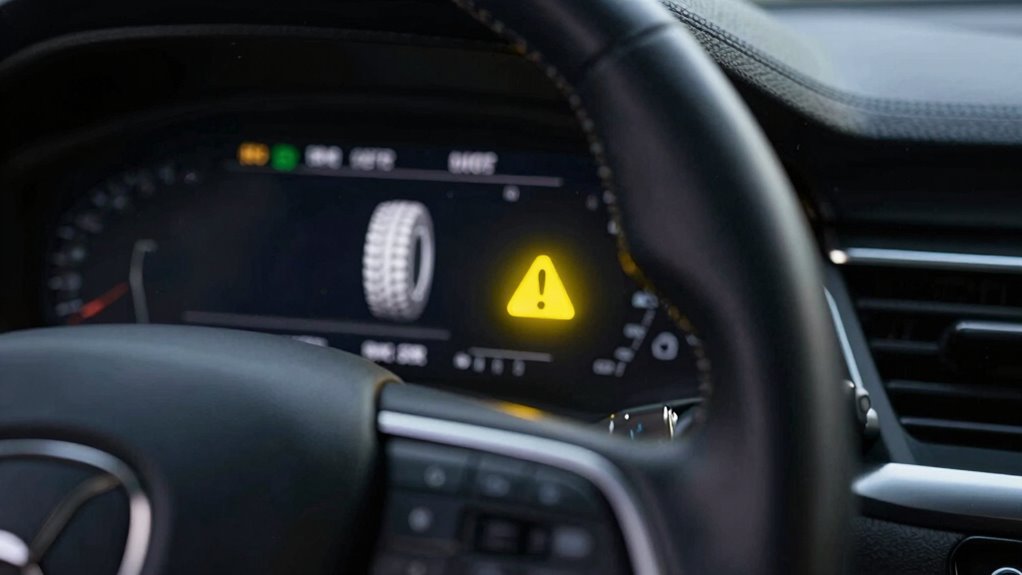
Ignoring TPMS warnings can put you at serious risk because these alerts are designed to warn you about dangerous tire conditions that could lead to accidents. If you dismiss a warning, you might overlook low tire pressure or other issues that compromise your vehicle’s safety. Proper tire maintenance is vital, and ignoring signals from the TPMS can result in uneven tire wear, poor handling, or blowouts. Additionally, sensor calibration is essential to guarantee accurate readings; neglecting it can cause false alarms or missed warnings. By addressing TPMS alerts promptly, you help maintain ideal tire conditions, improve safety, and prevent costly repairs. Never underestimate the importance of these warnings—they’re there to protect you on the road.
What Steps Should You Take if the TPMS Warning Keeps Returning?
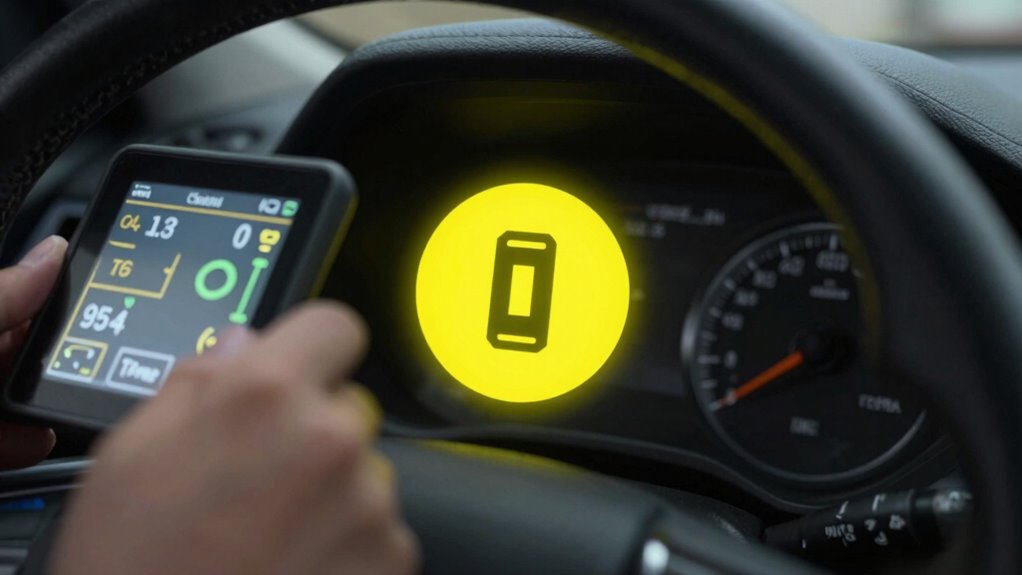
When the TPMS warning keeps returning despite your efforts to address it, it indicates that there might be an unresolved issue with your tires or sensors. First, check your tire pressure again, ensuring it matches the recommended levels. If the warning persists, consider getting a professional tire alignment, as misalignment can affect sensor readings and tire wear. Also, inspect your brakes; poor brake maintenance can sometimes interfere with sensor accuracy. If these steps don’t resolve the issue, have a mechanic examine your TPMS sensors and system for faults or damage. Persistent warnings could signal a faulty sensor or a deeper system problem, so professional diagnosis is essential to keep your vehicle safe and avoid further complications.
Tips to Prevent Unnecessary or False TPMS Alerts

To prevent unnecessary or false TPMS alerts, it’s important to keep your system well-maintained and free of common issues that can trigger false warnings. Regular tire maintenance, such as checking tire pressure and ensuring proper inflation, helps prevent false alerts caused by under- or over-inflated tires. Additionally, sensor calibration is vital; if sensors aren’t correctly calibrated after tire rotations or replacements, you might receive inaccurate warnings. Always follow your vehicle manufacturer’s guidelines for calibration procedures. Keep sensors clean and free of dirt or damage, which can interfere with signal transmission. By maintaining proper tire pressure and ensuring your sensors are accurately calibrated, you reduce the likelihood of false TPMS alerts, keeping your system reliable and your driving safe.
Frequently Asked Questions
Can TPMS Alerts Be Triggered by Temperature Changes Alone?
Yes, TPMS alerts can be triggered by temperature changes alone. When tire temperature rises considerably, it can cause the air inside to expand, affecting tire pressure and triggering a warning. Sometimes, sensor calibration issues also cause false alerts during temperature fluctuations. It’s vital to monitor tire temperature and make sure your sensors are properly calibrated so you’re not misled by alerts caused solely by temperature changes.
How Often Should I Check My Tire Pressure Manually?
You should check your tire pressure manually at least once a month to guarantee proper tire maintenance and safety. Regular safety checks help catch any pressure drops or issues early, preventing accidents and extending tire life. Additionally, check your tires before long trips or when temperatures change markedly. Keeping an eye on tire pressure is a simple, effective way to maintain vehicle safety and performance.
Are All TPMS Warning Lights Indicative of Serious Problems?
Not all TPMS warning lights indicate serious problems; some are related to sensor calibration or warning light types. For example, a blinking warning light might signal a sensor issue, while a steady one could mean low tire pressure. Always check the specific warning light type and consult your vehicle’s manual. If unsure, have a professional inspect your TPMS to verify your sensors are functioning correctly and your tires are safe.
Can Damaged Sensors Cause False TPMS Alerts?
Damaged sensors can definitely cause false TPMS alerts. When sensors get damaged, they might send incorrect signals, affecting sensor calibration and tire pressure stability. This can lead to warnings even if your tires are fine. To avoid unnecessary alerts and guarantee accurate readings, it’s important to have damaged sensors inspected and replaced if needed. Proper maintenance helps keep your TPMS functioning correctly and prevents false alarms.
What Is the Lifespan of TPMS Sensors Before Replacement?
Imagine your TPMS sensor alerts you unexpectedly; in such cases, the lifespan typically ranges from 5 to 10 years, depending on usage. Over time, sensors may need recalibration or battery replacement, as batteries usually last 5-7 years. Regular sensor calibration ensures accurate readings, and replacing the sensor or its battery when needed can prevent false alerts and maintain peak tire pressure monitoring performance.
Conclusion
Understanding TPMS alerts is essential for your safety on the road. Trusting these warnings and acting promptly can prevent accidents and costly repairs. Some believe false alarms are just nuisances, but ignoring real threats can be risky. Regular maintenance and checks help keep your system reliable. Remember, your vehicle’s safety system is designed to protect you—so don’t dismiss or delay addressing TPMS warnings. Stay alert, stay safe!