
Every road trip needs an organized emergency contact and backup plan to stay safe and prepared for unexpected events. You should include key contacts like family, friends, emergency services, and guarantee they know they’re designated. Keep copies of important documents, such as insurance and registration, handy or stored digitally. Also, plan for various emergencies like breakdowns or medical issues, and review your plan regularly. Continue to explore ways you can make your trip even safer and more prepared.

Get travel and outdoor gear delivered free with Prime
- Fast, free delivery on millions of items
- Prime Video, Amazon Music and more included
- Member-only deals all year
Key Takeaways
- Include essential contacts, medical info, and local emergency numbers, ensuring everyone is aware and updated regularly.
- Organize and carry copies of vehicle documents, insurance, and travel papers for quick access during roadside incidents.
- Develop a comprehensive plan for common emergencies like breakdowns, medical issues, or lost belongings.
- Store digital backups of important documents in secure cloud storage for easy retrieval anywhere.
- Maintain an updated emergency kit and review the plan periodically to stay prepared for changing routes and situations.
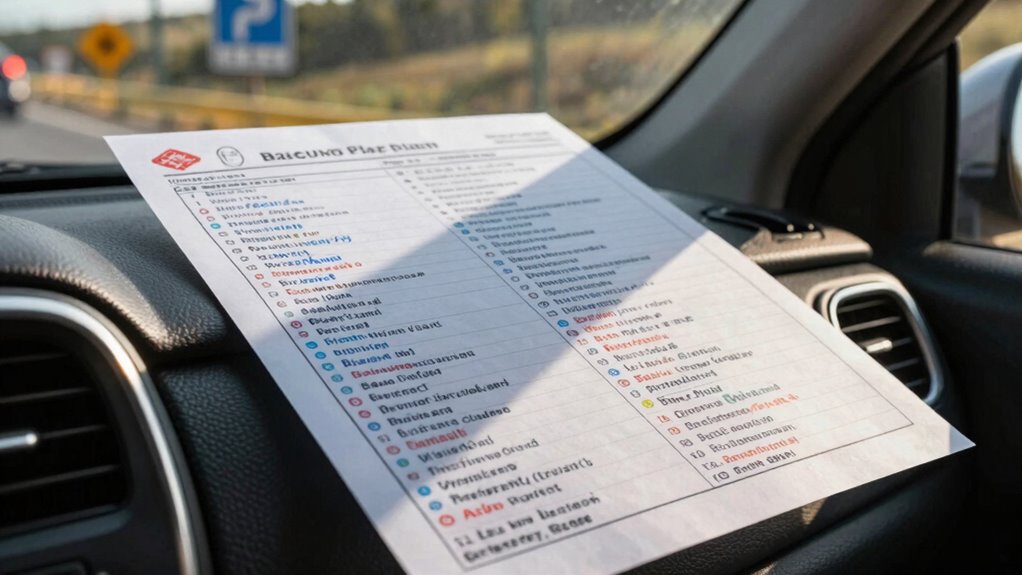
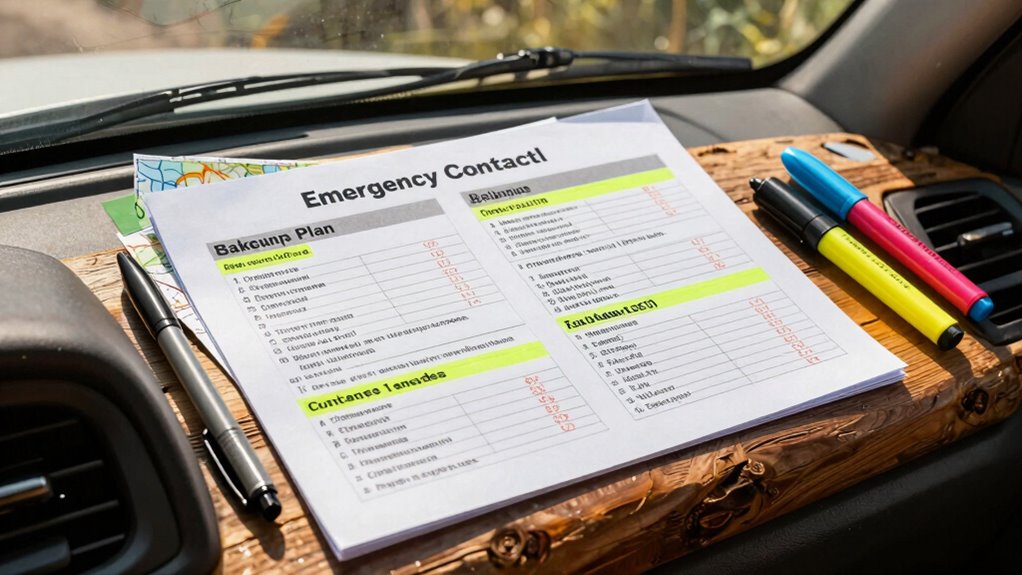
Having an Emergency Contact and Backup Plan Sheet is crucial for guaranteeing your safety and peace of mind during unexpected situations. When you’re on the road, anything can happen—flat tires, sudden illnesses, or even theft. Being prepared with clear, accessible emergency information helps you respond quickly and confidently. A well-organized sheet should include essential details such as your emergency contacts, medical information, and travel documentation. This preparedness can significantly reduce response times and improve outcomes in crisis situations. This way, if you’re in an accident or encounter a roadside emergency, first responders can quickly find the info they need to assist you efficiently.
Vehicle safety is a significant concern during any road trip. Your backup plan should include details about your vehicle, like insurance information, registration, and a list of trusted mechanics nearby. Keeping copies of your travel documentation—such as driver’s license, registration papers, and insurance cards—organized and easily accessible ensures you’re ready for any roadside checks or emergencies. Having these documents at your fingertips speeds up the process if you’re pulled over or involved in an incident, reducing stress and potential delays. Additionally, maintaining an updated emergency kit with essentials like first aid supplies and tools can further enhance your preparedness. Regularly reviewing your emergency plans ensures they remain relevant to your route and circumstances.
Your emergency contact list should feature people who can support you in various situations—family members, friends, or emergency services. Make sure these contacts are aware that they’re listed as your emergency contacts and know how to reach you quickly. Include their full names, phone numbers, and, if possible, email addresses. Also, consider adding local emergency numbers for the areas you’ll be traveling through, especially if they differ from your home country. This preparedness can be lifesaving if you encounter language barriers or unfamiliar procedures. Regularly reviewing and updating this list ensures the information remains current and accurate, which is essential during emergencies. Moreover, having a comprehensive communication plan can help coordinate support from your contacts during complex situations.
In addition, your backup plan should address potential scenarios like vehicle breakdowns, medical emergencies, or lost belongings. For vehicle safety, include steps to take if your car breaks down, such as calling roadside assistance or using safety triangles and flares. For medical emergencies, have a list of nearby hospitals and clinics, along with any allergies or medications you need to communicate. When it comes to lost items, outline the process for reporting stolen or missing valuables to authorities and your insurance company. Ensuring your travel documentation is backed up digitally can also be a lifesaver—store scanned copies or photos in a secure cloud storage, so you can access them from any device if originals are lost or stolen. Additionally, keeping an updated emergency contact list is essential for quick communication during unforeseen events. Remember, having a comprehensive backup plan tailored to your specific route and needs can make all the difference in maintaining safety and peace of mind.
Products Worth Considering

GoPro Wireless Mic Complete Kit with 2 Transmitters, 2 Receivers, and Charging Case

GoPro HERO12 Black Waterproof Action Camera with 5.3K60 Video and 27MP Photos

Samsonite Centric 2 Hardside Expandable Luggage with Spinner Wheels, 2-Piece Set (20/28), Caribbean Blue
As an affiliate, we earn on qualifying purchases.
Frequently Asked Questions
How Often Should I Update My Emergency Contact Information?
You should update your emergency contact information whenever there’s a change in your travel insurance details or personal contacts. Regularly review and refresh this info before each trip to guarantee accuracy. Also, check your vehicle maintenance records to confirm everything’s in order, reducing potential issues. Keeping your emergency contacts current helps others assist you quickly if needed, making your road trip safer and stress-free.
What Details Should Be Included in My Backup Plan?
Think of your backup plan as your vehicle’s safety features—crucial in emergencies. Include essential details like your travel insurance info, vehicle safety equipment, and emergency contacts. List nearby hospitals, roadside assistance numbers, and alternate routes. This way, if an unexpected breakdown or accident occurs, you’re prepared. A well-rounded backup plan guarantees you can navigate any situation smoothly, just like reliable safety features protect your vehicle and peace of mind.
How Do I Share My Plan Securely With Others?
You should share your plan securely by using digital encryption and cloud storage. First, encrypt the file with strong password protection to keep unauthorized access out. Then, upload it to a trusted cloud storage service that offers encryption and sharing controls. Share the access link only with trusted contacts, and avoid sending passwords through insecure channels. This way, your backup plan remains private and accessible when needed.
What Are Best Practices for Storing Physical Copies?
Secure storage starts with safeguarding your sheets. You should stash physical copies in a safe, sturdy spot—like a locked cabinet or a fireproof box—away from potential disasters. Simultaneously, keep digital backups for redundancy. Regularly verify contacts to guarantee accuracy, preventing potential pitfalls. By balancing physical safety with digital diligence, you ensure your emergency plan remains accessible and accurate whenever you need it.
How Can I Ensure My Emergency Contacts Are Reachable?
To guarantee your emergency contacts are reachable, verify their contact information regularly and confirm they’re aware you might need to reach them. Use contact verification to keep details accurate, and respect their contact privacy by only sharing necessary info. Share your emergency contact list with trusted individuals, and consider using secure messaging apps for quick, private communication. This way, you’ll keep your contacts accessible and protected during your trip.
Conclusion
By filling out an emergency contact and backup plan sheet, you’re not just preparing for the unexpected—you’re weaving a safety net that catches you when life throws a curveball. Think of it as your road trip’s secret superpower, turning chaos into calm. So, don’t hit the road without it—because peace of mind isn’t just a luxury, it’s your best co-pilot, guiding you safely home no matter where the journey takes you.