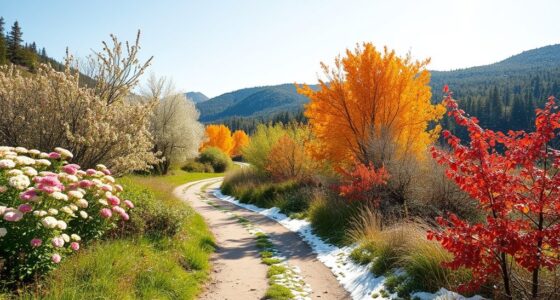
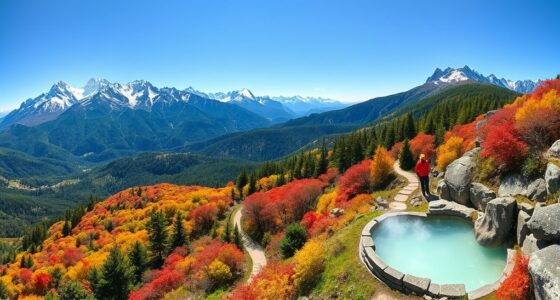
Begin on Japan’s Shikoku Pilgrimage Road Trip and explore a rich tapestry of temples and stunning coastal scenery. Walk or drive through lush forests, rugged cliffs, and peaceful beaches, visiting ancient temples that hold deep spiritual significance. Feel the ocean breeze at seaside sacred sites and enjoy the natural beauty that enhances your spiritual journey. If you keep exploring, you’ll discover how this unique blend of tradition and nature creates an unforgettable experience.

Get travel and outdoor gear delivered free with Prime
- Fast, free delivery on millions of items
- Prime Video, Amazon Music and more included
- Member-only deals all year
Key Takeaways
- The pilgrimage connects 88 temples across scenic landscapes, including lush forests, mountains, and dramatic coastal cliffs.
- Temples are situated in seaside areas offering ocean views, breezes, and natural sounds to enhance spiritual reflection.
- Modern transportation like buses, trains, and rental cars make exploring temples and coastal sites more accessible and convenient.
- The route blends cultural heritage with breathtaking scenery, providing opportunities for mindfulness and personal growth.
- Coastal temples and natural surroundings deepen the spiritual experience, combining Japan’s spiritual traditions with stunning ocean vistas.

Starting the Shikoku Pilgrimage Road Trip offers an immersive journey through Japan’s spiritual heartland. As you set out, you’ll connect deeply with Buddhist traditions that have shaped the island for centuries. This pilgrimage isn’t just about visiting temples; it’s a profound experience that blends faith, history, and personal reflection. Along the way, you’ll encounter a series of 88 temples, each with its unique story and significance, forming a sacred circuit that honors Kōbō Daishi, the revered monk who founded many of these sites. Walking or cycling between these temples allows you to engage with the traditions firsthand, feeling the spiritual energy that permeates the island. The pilgrimage’s roots run deep in Buddhist practices, emphasizing mindfulness, devotion, and the journey itself as a form of enlightenment. Engaging in visualization techniques during your travels can help deepen your spiritual connection and enhance the reflective experience. Modern transportation has made this spiritual route more accessible than ever. While traditionally pilgrims traveled on foot or by horseback, today you can opt for buses, rental cars, or even trains. Japan’s efficient transportation network simplifies reaching remote temples nestled in lush mountains and coastal areas. Whether you choose to hop on a local bus that winds through scenic countryside or rent a car to explore at your own pace, modern options help you cover more ground comfortably. This flexibility allows you to tailor your experience, perhaps spending extra time at meaningful stops or exploring lesser-known temples off the main trail. Despite the convenience of modern transportation, the journey retains its contemplative essence, offering you moments of silence and reflection amid the stunning scenery. As you travel along the pilgrimage route, the landscape transforms from verdant forests to rugged coastlines, providing a breathtaking backdrop to your spiritual quest. Coastal scenery, with its dramatic cliffs and tranquil beaches, complements the introspective nature of the pilgrimage. You might pause at a seaside temple, feeling the cool ocean breeze and listening to the crashing waves, which seem to echo the rhythm of your own heartbeat. The combination of sacred temples and coastal vistas creates a harmonious experience, grounding your spiritual journey in the natural beauty of Shikoku. Whether you’re walking through ancient temple grounds or gazing out over the ocean, each moment offers a chance to deepen your connection with Japan’s spiritual traditions, all made easier by the country’s modern transportation infrastructure.
Japan Shikoku pilgrimage guidebook
As an affiliate, we earn on qualifying purchases.
As an affiliate, we earn on qualifying purchases.
Frequently Asked Questions
What Is the Best Time of Year to Undertake the Pilgrimage?
You should undertake the pilgrimage in spring (April to June) or autumn (September to November). During these times, the seasonal weather is mild and pleasant, making your journey more comfortable. Plus, you’ll enjoy vibrant festival seasons like cherry blossom celebrations in spring or autumn harvest festivals, adding cultural richness to your experience. Avoid the hot, humid summers and cold winters, which can make the trek more challenging.
Are There Guided Tours Available Along the Route?
Yes, guided tour options are available along the Shikoku Pilgrimage route, making it easier to navigate and learn about its history. You can choose from group tours led by experienced guides or opt for self-guided routes if you prefer more flexibility. Guided tours often include transportation and support, while self-guided routes let you explore at your own pace. Both options offer unique ways to experience the pilgrimage.
How Physically Demanding Is the Pilgrimage for Beginners?
The pilgrimage is like a gentle uphill climb for beginners, manageable with proper planning. You’ll need some physical endurance to handle the route difficulty, but it’s not overwhelming. Start slow, take breaks, and listen to your body. If you’re reasonably fit and prepared, you’ll find it doable. Remember, it’s about the journey, not just the distance, so enjoy each step along the way.
What Local Cuisine Should Pilgrims Try During the Trip?
During your trip, make sure to try local delicacies like sanuki udon, famous for its thick, chewy noodles, and katsuo no tataki, lightly seared bonito fish. Explore regional specialties such as sudachi citrus and fresh seafood along the coast. These flavors give you a true taste of Shikoku’s culinary culture. Sampling these dishes enhances your experience and helps you connect with the local communities you encounter on your pilgrimage.
Are There Accommodations Suitable for Pilgrims Along the Route?
Yes, you’ll find plenty of pilgrim accommodations and lodging options along the route. Many traditional guesthouses, called “shukubo,” cater specifically to pilgrims, offering simple, comfortable stays. You can also choose minshuku or ryokan inns, which provide a more local experience. These lodgings often include meals and are conveniently located near temples or along the pilgrimage trail, making your journey comfortable and authentic.
As an affiliate, we earn on qualifying purchases.
Conclusion
As you finish your Shikoku pilgrimage, remember that every journey teaches us something new. You’ve walked ancient paths, admired breathtaking coastal views, and found peace in sacred temples. Like the saying goes, “A journey of a thousand miles begins with a single step.” Embrace the memories you’ve made and carry their spirit with you. This adventure reminds us that sometimes, the most meaningful journeys are those that change us from within.
waterproof hiking shoes for coastal trails
As an affiliate, we earn on qualifying purchases.
As an affiliate, we earn on qualifying purchases.
compact camera for scenic photography
As an affiliate, we earn on qualifying purchases.
As an affiliate, we earn on qualifying purchases.
Fall Picks
fall essentials
As an affiliate, we earn on qualifying purchases.